Every day, millions of people reach for a bottle of water, believing it’s a safe, healthy choice. But what if the very water you trust contains tiny, invisible particles that could impact your health? Microplastics—microscopic fragments of plastic—have been detected in bottled water worldwide, raising concerns about their long-term effects.
Microplastics are not just an environmental problem; they are now a personal one. Studies show that almost all bottled water brands contain trace amounts of these tiny plastic particles, which can enter your body each time you take a sip. Understanding the risks and learning how to minimize exposure can transform the way you think about hydration.
In this article, you’ll discover what microplastics are, how they end up in bottled water, their potential health effects, and practical strategies to reduce your exposure. By the end, you’ll be empowered to make informed choices about your water and safeguard your health.
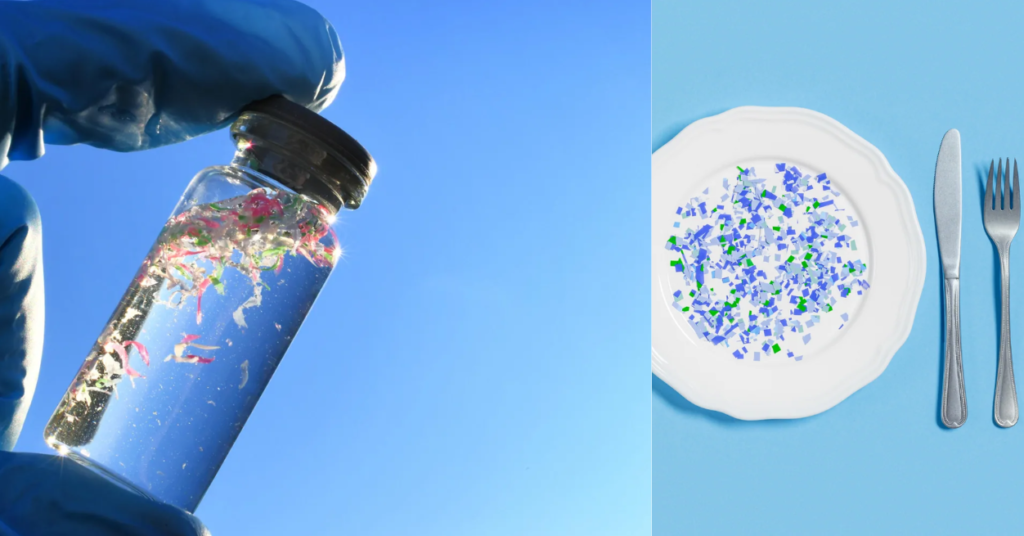
What Are Microplastics and How Do They Enter Bottled Water?
Microplastics are plastic fragments smaller than 5 millimeters, often invisible to the naked eye. They originate from various sources, including:
- Plastic packaging breakdown – Bottles degrade over time, releasing tiny particles.
- Manufacturing processes – Some plastics shed particles during bottling.
- Environmental contamination – Water sources can carry microplastics from pollution.
Types of Microplastics
- Primary microplastics – Intentionally manufactured small plastics, like microbeads in cosmetics.
- Secondary microplastics – Result from larger plastic items breaking down over time.
Understanding their origin helps you see why bottled water, despite being marketed as pure, is not immune to contamination.
Potential Health Risks of Microplastics
While research is ongoing, emerging studies suggest that consuming microplastics could affect your health in multiple ways:
Inflammation and Immune Response
Microplastics may trigger immune responses and inflammation in the gut. Over time, chronic exposure could exacerbate digestive issues and disrupt healthy gut microbiota.
Chemical Exposure
Plastics often contain additives like BPA or phthalates. Microplastics can carry these chemicals into your body, potentially affecting hormonal balance and metabolic function.
Cellular Stress and Toxin Accumulation
There’s concern that microplastics could accumulate in tissues, causing oxidative stress and cellular damage. While the full implications are still being studied, minimizing ingestion is a prudent step.
How to Reduce Your Exposure to Microplastics
Taking control of your water choices is a practical way to reduce risk. Here’s how:
Switch to Filtered Water
Using a high-quality water filter at home can remove microplastics and other contaminants. Look for filters with micron-level filtration capabilities.
Avoid Single-Use Plastic Bottles
Reducing reliance on bottled water is one of the most effective strategies. Opt for glass, stainless steel, or reusable BPA-free bottles.
Mind Storage Conditions
Heat and sunlight can increase plastic breakdown. Store bottled water in cool, dark places, and avoid long-term storage in plastic containers.
Choosing Safe Alternatives
Beyond filtering tap water, consider options that combine safety, convenience, and sustainability.
Glass or Stainless Steel Bottles
Durable bottles prevent microplastic leaching, are reusable, and reduce environmental impact.
Tap Water with Proper Filtration
Municipal tap water, when filtered, often meets higher safety standards than bottled water. Investing in a quality filtration system ensures you drink safely while reducing plastic waste.
Water Delivery Services with Refillable Containers
Some services provide large, reusable containers, minimizing the need for single-use bottles while maintaining convenience.
Expert Tips for Daily Hydration Safety
- Drink enough water but avoid excessive bottled water consumption.
- Check labels and manufacturer practices; some brands use safer plastic types.
- Rotate and clean reusable bottles regularly to prevent microbial buildup.
- Stay informed about emerging research on microplastics and chemical safety.
Frequently Asked Question: Can Microplastics Really Harm Me?
Yes, microplastics can pose risks, though the long-term effects are still being studied. Experts suggest minimizing exposure where possible, using alternatives to single-use plastic bottles, and supporting policies that reduce plastic pollution globally. While occasional ingestion may not cause immediate harm, consistent consumption over time could contribute to health challenges.
The Broader Impact: Environment and Health Connection
Microplastics in bottled water highlight a larger issue: environmental pollution affects human health. Reducing plastic use, supporting sustainable packaging, and advocating for cleaner water sources benefit both the planet and your body.
Conclusion
Bottled water is often seen as a safe, convenient option—but hidden microplastics are a real concern. By understanding their sources, potential health risks, and practical prevention strategies, you can make informed choices and protect your well-being. Switching to filtered water, reusable bottles, and safe storage practices transforms hydration from a routine habit into a health-conscious practice.
Take action today: reduce single-use plastics, invest in quality water filtration, and stay informed about microplastics. Your daily drink should nourish your body, not introduce hidden dangers.
Important Disclaimer: This article is for informational purposes only and should not replace professional advice. For health-related topics, consult healthcare providers. Individual results may vary, and personal circumstances should always be considered when implementing any suggestions.