
Stress is something almost everyone experiences, yet many people struggle to understand what actually causes it. Sometimes stress comes from obvious sources like work deadlines or financial pressure, but other times it can build slowly from everyday habits, lifestyle choices, or emotional challenges.
Understanding the reasons for stress is the first step toward managing it effectively. When you know what triggers your stress response, you can take practical steps to reduce its impact on your mental and physical health.
In this article, we’ll explore the most common causes of stress, how stress affects the body, and simple ways to manage stress in everyday life.
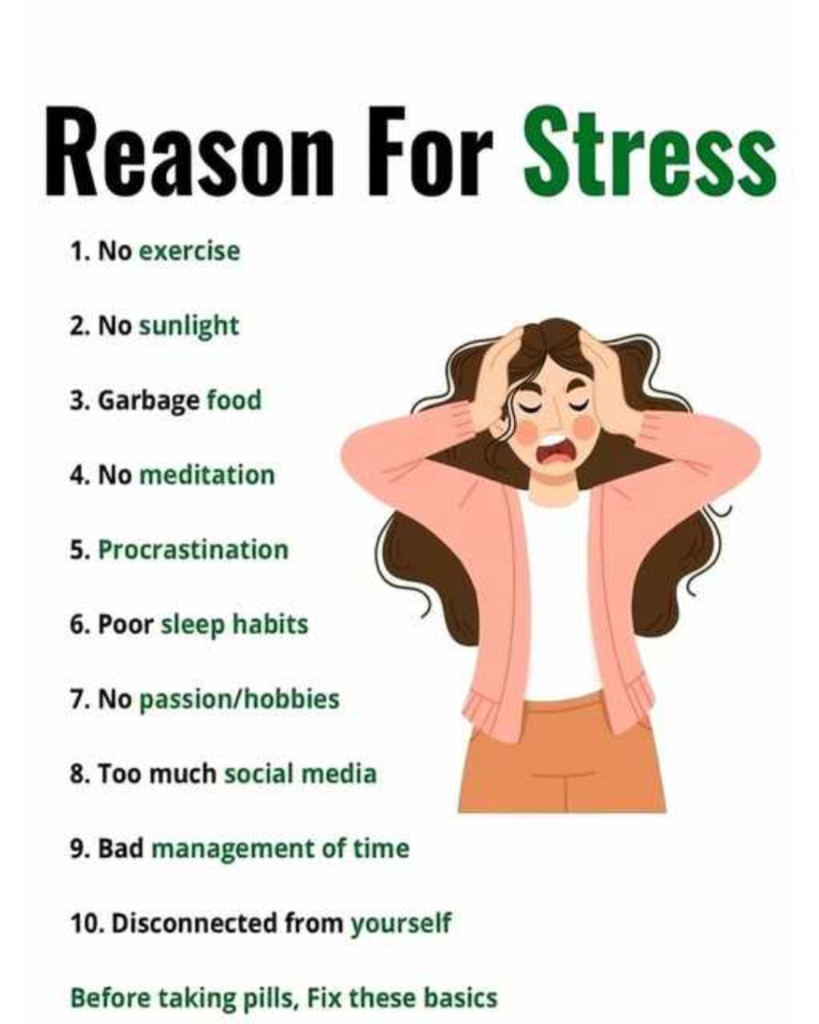
What Is Stress?
Stress is the body’s natural response to pressure, challenges, or perceived threats. When you face a stressful situation, your brain signals the body to release hormones like cortisol and adrenaline, preparing you for a “fight or flight” response.
In small amounts, stress can actually be helpful. It can improve focus, increase motivation, and help you respond quickly to challenges. However, chronic or prolonged stress can negatively affect both mental and physical health.
Common Reasons for Stress
Stress can come from many areas of life. Often, it is not just one problem but a combination of multiple pressures that build over time.
1. Work or Academic Pressure
One of the most common causes of stress is work-related pressure.
This may include:
- Tight deadlines
- Heavy workloads
- Long working hours
- Job insecurity
- Difficult coworkers or management
Students can experience similar stress due to exams, assignments, and expectations for high performance.
When these pressures continue without enough rest or support, they can lead to mental fatigue and burnout.
2. Financial Problems
Money is another major source of stress for many people.
Financial stress can include:
- Debt
- Rising living costs
- Unstable income
- Unexpected expenses
- Difficulty saving money
Financial uncertainty often creates ongoing worry because it affects many areas of life, including housing, healthcare, and daily needs.
3. Lack of Sleep
Sleep plays a crucial role in emotional balance and cognitive function.
When you do not get enough sleep, your brain becomes more sensitive to stress triggers. Lack of sleep can lead to:
- Irritability
- Reduced concentration
- Mood swings
- Increased anxiety
Over time, poor sleep can make everyday challenges feel much more overwhelming.
4. Relationship Conflicts
Human relationships are important for emotional well-being, but they can also become a source of stress.
Common relationship stressors include:
- Family disagreements
- Communication problems
- Breakups or divorce
- Parenting challenges
- Social conflicts
Emotional stress from relationships often feels particularly intense because it involves personal connections and expectations.
5. Health Concerns
Health issues—either personal or involving loved ones—can create significant stress.
This may include:
- Chronic illness
- Medical diagnoses
- Recovery from injury
- Caring for a sick family member
Health-related stress can affect both physical and emotional well-being, especially when uncertainty about recovery or treatment is involved.
6. Major Life Changes
Even positive life events can cause stress because they require adjustment.
Examples include:
- Moving to a new city
- Starting a new job
- Getting married
- Having a child
- Changing careers
These transitions often involve uncertainty, responsibility, and new routines.
7. Information Overload and Technology
Modern life exposes us to constant information and digital stimulation.
This includes:
- Social media pressure
- Constant notifications
- News overload
- Digital multitasking
Too much information can make it difficult for the brain to rest, leading to mental exhaustion and increased stress.
8. Lack of Control
People often feel stressed when they believe they cannot control a situation.
Examples include:
- Workplace decisions made by others
- Unpredictable schedules
- Uncertain future plans
- External events affecting daily life
When situations feel unpredictable or uncontrollable, the brain stays in a heightened state of alertness.
How Stress Affects the Body
Stress doesn’t just affect your thoughts—it also affects your body.
Common physical effects of stress include:
- Headaches
- Muscle tension
- Digestive discomfort
- Fatigue
- Trouble sleeping
Long-term stress may also influence heart health, immune function, and overall energy levels.
Recognizing these physical signs can help you identify when stress is building up.
Everyday Habits That Can Increase Stress
Sometimes stress is influenced by daily habits that people may not immediately notice.
These include:
- Skipping meals or poor nutrition
- Lack of physical activity
- Too much caffeine
- Poor time management
- Constant multitasking
Small lifestyle changes can often make a significant difference in reducing stress levels.
Practical Ways to Manage Stress
While it may not be possible to eliminate stress completely, there are practical ways to manage it more effectively.
Prioritize Sleep
Aim for 7–9 hours of quality sleep each night to support emotional balance and mental clarity.
Practice Regular Physical Activity
Exercise helps reduce stress hormones and improves mood.
Even simple activities like:
- Walking
- Stretching
- Light workouts
- Yoga
can help the body relax.
Organize Your Daily Tasks
Good time management can reduce feelings of overwhelm.
Try:
- Making a simple daily task list
- Breaking large tasks into smaller steps
- Prioritizing important activities
Take Short Breaks
Working continuously without rest increases mental fatigue.
Short breaks during the day help your brain reset and maintain focus.
Stay Connected With Others
Talking with friends, family, or trusted people can help relieve emotional stress.
Social support is an important factor in maintaining mental well-being.
When Stress Becomes a Problem
Occasional stress is normal, but chronic stress may require more attention.
Signs that stress may be becoming overwhelming include:
- Constant fatigue
- Difficulty concentrating
- Persistent anxiety
- Irritability or mood changes
- Trouble sleeping regularly
If stress begins interfering with daily life, it may be helpful to seek guidance from a healthcare or mental health professional.
Conclusion
Stress is a natural part of life, but understanding the reasons for stress can make it easier to manage. Work pressure, financial concerns, lack of sleep, relationship conflicts, and major life changes are some of the most common stress triggers.
By recognizing these causes and adopting healthy habits—such as better sleep, regular physical activity, and good time management—you can reduce the impact stress has on your daily life.
The key is not to eliminate stress completely, but to develop strategies that help you respond to challenges in a healthier and more balanced way.