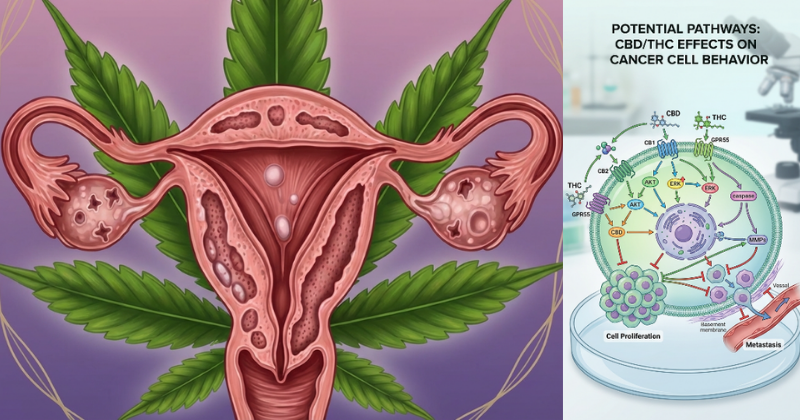
Cannabinoids have gained growing attention in biomedical research for their potential roles beyond symptom management. Among the most studied compounds are CBD (cannabidiol) and THC (tetrahydrocannabinol), two bioactive molecules found in the cannabis plant. Emerging research suggests that these compounds may not only influence cancer cells but could also affect mechanisms involved in tumor growth and spread.
While research is ongoing and clinical conclusions remain limited, scientific studies have explored how cannabinoids interact with cellular pathways related to proliferation, apoptosis, and metastasis. Understanding these mechanisms may help researchers better evaluate the potential role of cannabinoids in oncology research.
What Are CBD and THC and How Do They Work?
CBD and THC are two major cannabinoids produced by the cannabis plant. They interact with the endocannabinoid system (ECS), a complex biological network that regulates many physiological processes including inflammation, immune response, and cellular signaling.
The ECS includes:
- Cannabinoid receptors (CB1 and CB2)
- Endogenous cannabinoids produced by the body
- Enzymes that synthesize and break down these compounds
THC binds strongly to CB1 receptors, which are abundant in the nervous system, while CBD interacts more indirectly with several receptor systems. Through these pathways, cannabinoids may influence cell communication and biological responses.
How Do Cannabinoids Affect Cancer Cells?
Laboratory studies have shown that cannabinoids may interact with several cellular processes involved in cancer development.
Some mechanisms observed in experimental models include:
- Modulation of cell signaling pathways
- Influence on programmed cell death (apoptosis)
- Effects on cell proliferation
- Changes in tumor microenvironment signaling
These effects have primarily been observed in cell culture and animal models, which provide insights into potential biological mechanisms but do not directly translate into clinical treatment outcomes.
Which Cellular Mechanisms May Be Influenced by CBD and THC?
Research suggests cannabinoids may affect several processes relevant to tumor biology.
Apoptosis (Programmed Cell Death)
Some experimental studies suggest cannabinoids can activate cellular pathways associated with apoptosis in certain cancer cell lines.
Apoptosis is a natural process that allows the body to eliminate damaged or abnormal cells.
Cell Proliferation
In laboratory conditions, cannabinoids have been observed to influence signaling pathways related to cell growth and replication, which may affect how quickly some cancer cells multiply.
Angiogenesis
Tumors require new blood vessels to grow. Some experimental research suggests cannabinoids may interact with pathways involved in angiogenesis, the formation of new blood vessels.
How Might Cannabinoids Affect Cancer Cell Spread?
One area of research focuses on metastasis, the process by which cancer cells spread from one part of the body to another.
Metastasis involves several steps:
- Tumor cell detachment
- Movement through surrounding tissues
- Entry into blood or lymphatic systems
- Colonization of distant organs
Some laboratory studies suggest cannabinoids may influence molecules involved in cell migration and adhesion, which are important factors in metastatic processes.
However, these findings are still being studied and require further confirmation through clinical research.
What Does Current Research Say?
Cannabinoid research in oncology has expanded significantly over the past two decades.
Studies have explored their effects in various cancer models, including:
- Breast cancer cell lines
- Glioma models
- Prostate cancer research
- Colon cancer studies
These studies often investigate how cannabinoids interact with cell signaling pathways, inflammatory responses, and tumor growth dynamics.
Despite promising experimental findings, results vary depending on the type of cancer, the dosage used, and the experimental model.
What Are the Current Limitations of This Research?
Most research on cannabinoids and cancer has been conducted in preclinical settings, including:
- Cell culture experiments
- Animal studies
These models are valuable for understanding biological mechanisms but do not automatically translate to effective treatments in humans.
Clinical research involving patients is still limited and continues to evolve.
Which Other Factors Influence Cancer Progression?
Cancer progression is a complex process influenced by many variables beyond individual molecules.
Key factors include:
- Genetic mutations
- Immune system interactions
- Tumor microenvironment
- Hormonal influences
- Environmental exposures
Because of this complexity, cancer research typically investigates multiple pathways rather than focusing on a single compound.
What Could Future Research Reveal?
Scientists continue to explore how cannabinoids interact with cellular biology and whether they may play a role in future therapeutic strategies.
Future research may focus on:
- Clinical trials evaluating safety and efficacy
- Understanding dosage and delivery methods
- Identifying specific cancer types that respond to cannabinoid pathways
- Investigating combinations with existing therapies
As research advances, a clearer picture may emerge regarding the potential role of cannabinoids in cancer-related biomedical studies.
Conclusion
CBD and THC have become subjects of growing scientific interest in oncology research. Experimental studies suggest these cannabinoids may influence cellular processes related to tumor growth and metastasis, including cell signaling, apoptosis, and migration.
However, much of the current evidence comes from laboratory studies rather than clinical trials. More rigorous human research is needed to determine the precise role cannabinoids may play in cancer treatment or prevention.
Understanding these biological interactions remains an important area of ongoing scientific investigation.
Disclaimer
This article is intended for educational and scientific information purposes only. It does not provide medical advice or treatment recommendations. Individuals should consult qualified healthcare professionals regarding medical decisions or treatment options.