
Introduction
It feels amazing when the sun sets later, doesn’t it?
Longer evenings, more light after school or work, and that boost in mood—it’s no surprise many people say we should keep daylight saving time (DST) all year.
But here’s the truth: while it feels like we’re getting more sunlight, the reality is a bit more complex. Daylight saving time doesn’t increase daylight—it simply shifts it.
So is it actually better for your health and mood, or does it come with hidden downsides?
In this article, you’ll learn:
- How daylight saving time really works
- Why it affects your mood and energy
- The science behind your body clock
- The benefits and drawbacks of keeping DST
- What might actually be better for your health
What Is Daylight Saving Time?
Daylight saving time is the practice of moving the clock forward by one hour during warmer months.
The goal is simple:
- Shift daylight into the evening
- Reduce darkness during active hours
So instead of the sun rising early and setting early, it rises and sets later.
Important:
DST doesn’t create more sunlight—it just changes when you experience it.
Why Longer Evenings Feel So Good
There’s a real psychological reason why people love DST.
1. More Time Outdoors
When it’s still light outside, you’re more likely to:
- Walk
- Exercise
- Socialize
2. Mood Boost
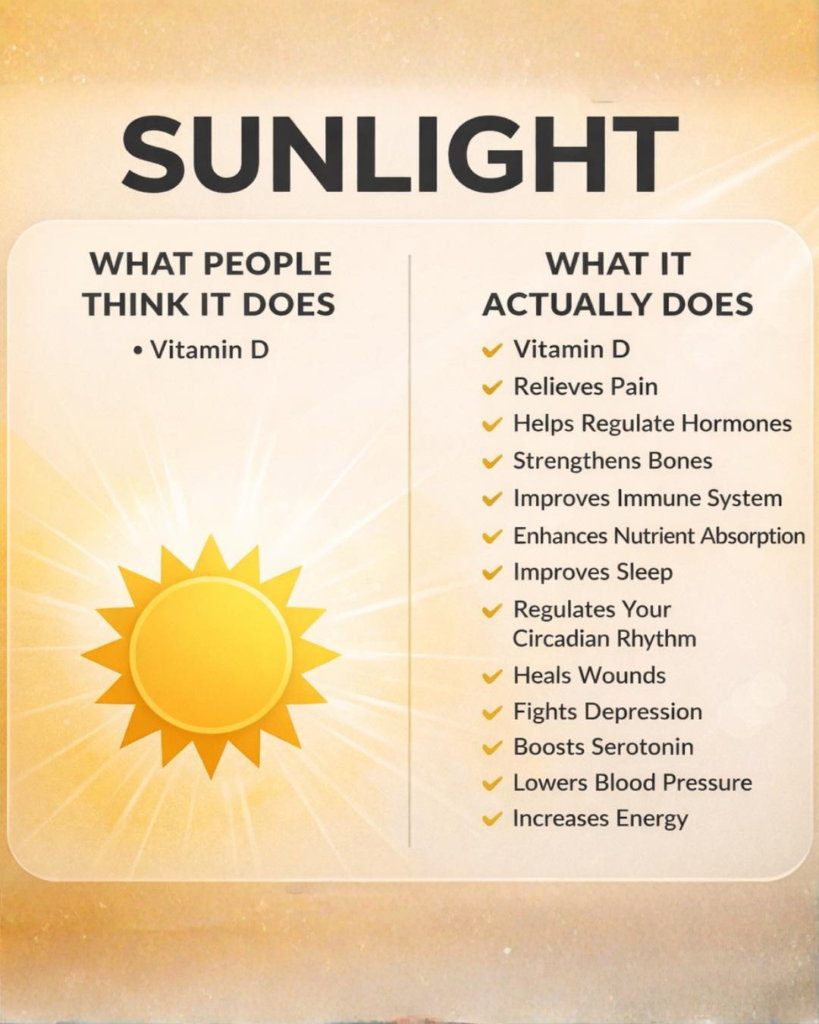
Sunlight helps your brain release serotonin, a hormone linked to happiness.
3. Increased Productivity
People often feel more motivated when the day feels longer.
4. Lifestyle Benefits
More evening light can mean:
- More family time
- More النشاط (activity)
- Better routines
This is why many people associate DST with a “better life.”
The Science Behind Your Body Clock
Your body runs on an internal system called the circadian rhythm.
This natural clock controls:
- Sleep
- Energy levels
- Hormones
- Focus
It depends heavily on morning sunlight.
When sunlight hits your eyes early in the day, it signals your brain to:
- Wake up
- Feel alert
- Regulate sleep later at night
The Problem With Daylight Saving Time
While DST improves evenings, it can disrupt your natural rhythm.
1. Darker Mornings
When the clock shifts:
- Sun rises later
- Mornings stay darker longer
This makes it harder to:
- Wake up
- Feel alert
- Stay focused
2. Sleep Disruption
Losing alignment with natural light can:
- Delay sleep
- Reduce sleep quality
- Cause fatigue
3. Long-Term Effects
Health experts warn that chronic misalignment may affect:
- Mood
- Energy
- Overall well-being
Organizations like the American Academy of Sleep Medicine recommend standard time because it aligns better with human biology.
Benefits of Keeping Daylight Saving Time
Even with its downsides, DST has clear advantages:
✔ Brighter Evenings
More usable daylight after work or school.
✔ Improved Mood
Evening sunlight feels relaxing and uplifting.
✔ Encourages Activity
People are more likely to:
- Exercise
- Go outside
- Be social
✔ Perceived Longer Days
Even though daylight doesn’t increase, it feels like it does.
Benefits of Standard Time
Standard time (no clock shifting) is often considered more “natural.”
✔ Better Sleep Alignment
Your body syncs better with sunrise.
✔ Easier Mornings
More natural light helps you wake up faster.
✔ Improved Focus
Better sleep = better concentration.
✔ Healthier Circadian Rhythm
Less disruption to your biological clock.
The Real Trade-Off
This debate isn’t about right or wrong—it’s about priorities.
Daylight Saving Time:
- Better evenings
- Better mood
- More lifestyle flexibility
Standard Time:
- Better sleep
- Better biological health
- Easier mornings
You’re choosing between:
👉 Feeling better in the evening
👉 Functioning better in the morning
Practical Tips to Feel Better (No Matter the Time System)
Whether DST stays or not, you can still optimize your energy:
1. Get Morning Sunlight
Even 10–15 minutes helps reset your body clock.
2. Limit Screens at Night
Artificial light can delay sleep.
3. Keep a Consistent Sleep Schedule
Go to bed and wake up at the same time daily.
4. Stay Active During Daylight
Use natural light whenever possible.
Conclusion
Daylight saving time gives us something we all love—longer, brighter evenings that boost mood and make life feel more enjoyable.
But behind that comfort, there’s a biological cost. Your body depends on early light to function properly, and shifting the clock can disrupt that balance.
So while DST feels like a “better day,” standard time may actually be better for your health.
In the end, it’s a trade-off between how you feel and how your body functions.
And understanding that difference is what helps you make smarter lifestyle choices.