mRNA cancer vaccines are transforming the landscape of oncology by teaching the immune system to recognize and attack cancer cells with precision. Unlike traditional treatments, this innovative approach harnesses your body’s natural دفاع system to target tumors more effectively and with fewer side effects. As research advances, mRNA cancer vaccines are emerging as one of the most promising breakthroughs in personalized medicine.
In this article, you’ll discover how mRNA cancer vaccines work, why they are revolutionary, and how they may shape the future of cancer treatment. By understanding this cutting-edge technology, you can gain insight into a new era of targeted, immune-based therapies that are redefining patient outcomes.
Meta Description (150–160 characters): Discover how mRNA cancer vaccines boost immune recognition of tumors and revolutionize cancer treatment with targeted, personalized therapy.
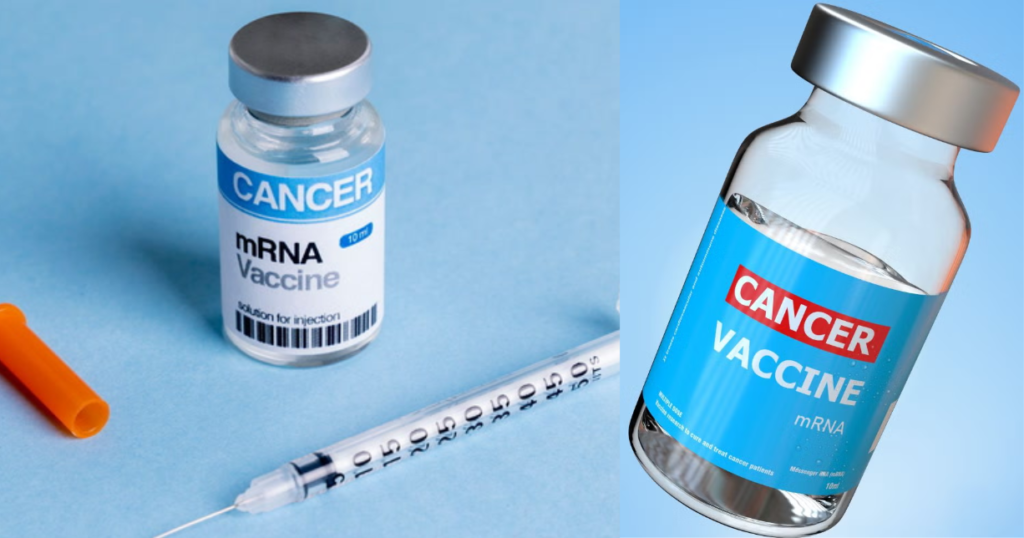
Understanding mRNA Cancer Vaccines: The Foundation
To appreciate the impact of mRNA cancer vaccines, it’s important to understand the basics of how they function.
What Are mRNA Cancer Vaccines?
mRNA (messenger RNA) vaccines use genetic instructions to teach your cells to produce specific proteins. In cancer vaccines, these proteins are tumor-associated antigens—markers found on cancer cells.
Once introduced into the body, the vaccine:
- Delivers mRNA into cells
- Instructs cells to produce tumor-specific antigens
- Activates the immune system to recognize and attack cancer cells
How They Differ from Traditional Vaccines
Unlike vaccines that prevent infectious diseases, mRNA cancer vaccines are therapeutic, meaning they treat existing cancer.
Key differences include:
- Targeting abnormal cells instead of pathogens
- Personalization based on tumor mutations
- Activation of both innate and adaptive immunity
Why Immune Recognition Matters
Cancer cells often evade immune detection by disguising themselves as normal cells. mRNA vaccines enhance immune recognition, helping your body identify and destroy these hidden threats.
Step-by-Step Mechanism of Action
Understanding how mRNA cancer vaccines work can help demystify their powerful effects.
Step 1: Identifying Tumor Antigens
Scientists analyze a patient’s tumor to identify unique mutations (neoantigens). These serve as targets for the immune system.
Step 2: Designing the mRNA Sequence
A custom mRNA sequence is created to encode these tumor-specific antigens.
Step 3: Vaccine Delivery
The mRNA is packaged in lipid nanoparticles, protecting it and enabling efficient delivery into cells.
Step 4: Immune Activation
Once inside cells:
- Antigens are produced and displayed on the cell surface
- Immune cells, especially T cells, recognize these antigens
- Cytotoxic T cells are activated to attack tumor cells
Step 5: Memory Formation
The immune system develops memory, allowing it to respond more quickly if cancer cells reappear.
Advanced Strategies and Emerging Innovations
mRNA cancer vaccines are rapidly evolving, with exciting advancements shaping their future.
Personalized Cancer Vaccines
Each patient’s tumor is genetically unique. Personalized mRNA vaccines are tailored to these differences, increasing effectiveness and reducing unnecessary immune responses.
Combination Therapies
mRNA vaccines are often combined with:
- Immune checkpoint inhibitors
- Chemotherapy or radiotherapy
- Targeted therapies
This multi-pronged approach enhances overall treatment outcomes.
Expanding Cancer Targets
Current research explores vaccines for:
- Melanoma
- Lung cancer
- Breast cancer
- Pancreatic cancer
Early clinical trials show encouraging results, particularly in improving survival rates and reducing recurrence.
Troubleshooting Challenges and Limitations
Despite their promise, mRNA cancer vaccines face several challenges.
Challenge: Tumor Complexity
Cancer cells can mutate rapidly, potentially evading immune detection.
Solution: Continuous monitoring and updating of vaccine targets help maintain effectiveness.
Challenge: Immune Suppression
Tumors can suppress immune responses, limiting vaccine efficacy.
Solution: Combining vaccines with immune checkpoint inhibitors can overcome this barrier.
Challenge: Delivery and Stability
mRNA is fragile and requires specialized delivery systems.
Solution: Advances in lipid nanoparticle technology have significantly improved stability and delivery efficiency.
Maximizing Results: Future Potential and Practical Insights
To fully harness the benefits of mRNA cancer vaccines, ongoing innovation and patient-centered strategies are key.
Early Detection and Integration
Early-stage cancers respond better to immunotherapy. Integrating mRNA vaccines early in treatment plans can enhance outcomes.
Lifestyle and Immune Support
While vaccines are powerful, supporting your immune system through:
- Balanced nutrition
- Regular physical activity
- Stress management
can complement treatment effectiveness.
Research and Clinical Trials
Participation in clinical trials provides access to cutting-edge therapies and contributes to scientific progress. Many ongoing studies aim to refine dosing, delivery, and combination strategies.
Featured Snippet: How Do mRNA Cancer Vaccines Work?
mRNA cancer vaccines work by delivering genetic instructions that help your cells produce tumor-specific antigens. These antigens train your immune system—especially T cells—to recognize and destroy cancer cells, improving immune detection and response.
Internal Linking Opportunities
To deepen your understanding, consider exploring related topics such as:
- Immune system function and cancer دفاع mechanisms
- Advances in immunotherapy and checkpoint inhibitors
- Personalized medicine and genetic profiling
- Role of inflammation in cancer progression
- Nutritional strategies to support immune health
Conclusion
mRNA cancer vaccines represent a groundbreaking shift in how we approach cancer treatment. By empowering your immune system to recognize and attack tumors with precision, this innovative technology offers hope for more effective, personalized therapies with fewer side effects.
While challenges remain, ongoing research continues to unlock new possibilities, bringing us closer to a future where cancer treatment is smarter, targeted, and more successful. By staying informed and proactive, you can better understand emerging therapies and their potential impact on health and wellness.
Important Disclaimer: This article is for informational purposes only and should not replace professional advice. For health-related topics, consult healthcare providers. Individual results may vary.