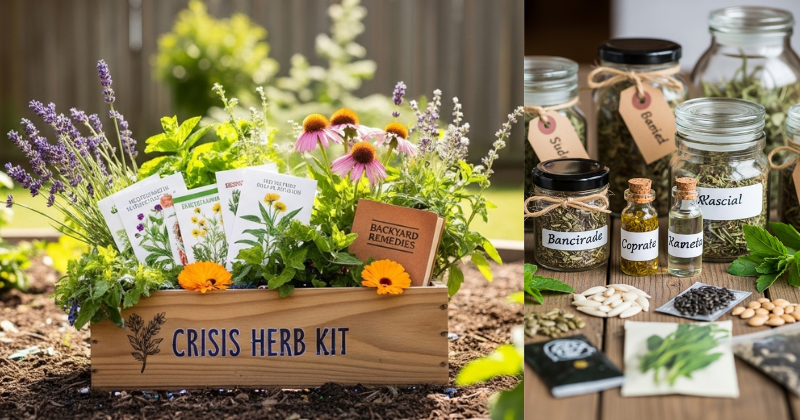
Discover backyard herbs that could save you in a crisis. Learn to grow a medicinal garden with our guide to seeds, remedies, and essential survival plants today.
Have you ever looked at your backyard and seen just grass and weeds, while secretly wishing it could offer you more security? We live in an uncertain world where supply chains can falter and access to basic wellness essentials isn’t always guaranteed. It is a common frustration to feel dependent on a store shelf for every minor ailment or emergency need. But what if the secret to resilience was literally beneath your feet? Backyard herbs that could save you in a crisis are nature’s way of providing a localized, living pharmacy. By cultivating these specific plants, you aren’t just gardening; you are building a safety net for your family.
In this comprehensive guide, you will discover the transformative power of a medicinal backyard. We are going to explore the must-have plants that provide relief, the best ways to start your seeds, and how to turn a harvest into a shelf-stable remedy. You have the capability to unlock a level of self-sufficiency you never thought possible. Get ready to achieve a deeper connection with nature as we dive into the world of survival gardening and the kits that make it easy to start!
Important Disclaimer: This article is for informational purposes only and should not replace professional advice. For health-related topics, consult healthcare providers. For safety procedures, verify current best practices and local regulations. Individual results may vary, and personal circumstances should always be considered when implementing any suggestions.
The Foundation: Why Backyard Herbs are Survival Essentials (H2)
Before you pick up a trowel, it is essential to build confidence in the concept of a medicinal garden. Many beginners hesitate because they fear they don’t have a “green thumb” or enough space. Reassure yourself that many of the most powerful survival herbs are actually incredibly hardy—often growing where other plants fail. These backyard herbs that could save you in a crisis have survived for millennia without human intervention, which makes them perfect for the low-maintenance gardener.
By focusing on [Emergency Preparedness Gardening], you are addressing two needs at once: physical health and mental peace of mind. When you know you can treat a bee sting, soothe a stomach ache, or clean a minor scrape with plants you grew yourself, your reliance on fragile systems diminishes. This is about gradual progress and self-care that empowers you to handle the unexpected with grace.
The Power of Resilience (H3)
Survival herbs are often “perennials,” meaning they come back year after year. Once you establish these plants, they become a permanent part of your landscape, providing a recurring harvest for years to come.
Ecosystem Benefits (H3)
Beyond human use, these herbs support local pollinators. A garden full of flowering medicinal herbs like Echinacea or Lemon Balm creates a thriving mini-ecosystem that benefits the soil and the surrounding wildlife, making your backyard a true sanctuary.
Step-by-Step: From Seed Kit to Survival Remedy (H2)
Creating your “living kit” is an achievable process that anyone can master. You don’t need a farm; a few pots on a balcony or a small corner of your yard will suffice. Follow these clear steps to get started with your backyard herbs that could save you in a crisis.
1. Selecting the Right Seeds
Don’t just buy random packets. Look for a “Medicinal Seed Kit” that specifically focuses on high-utility plants.
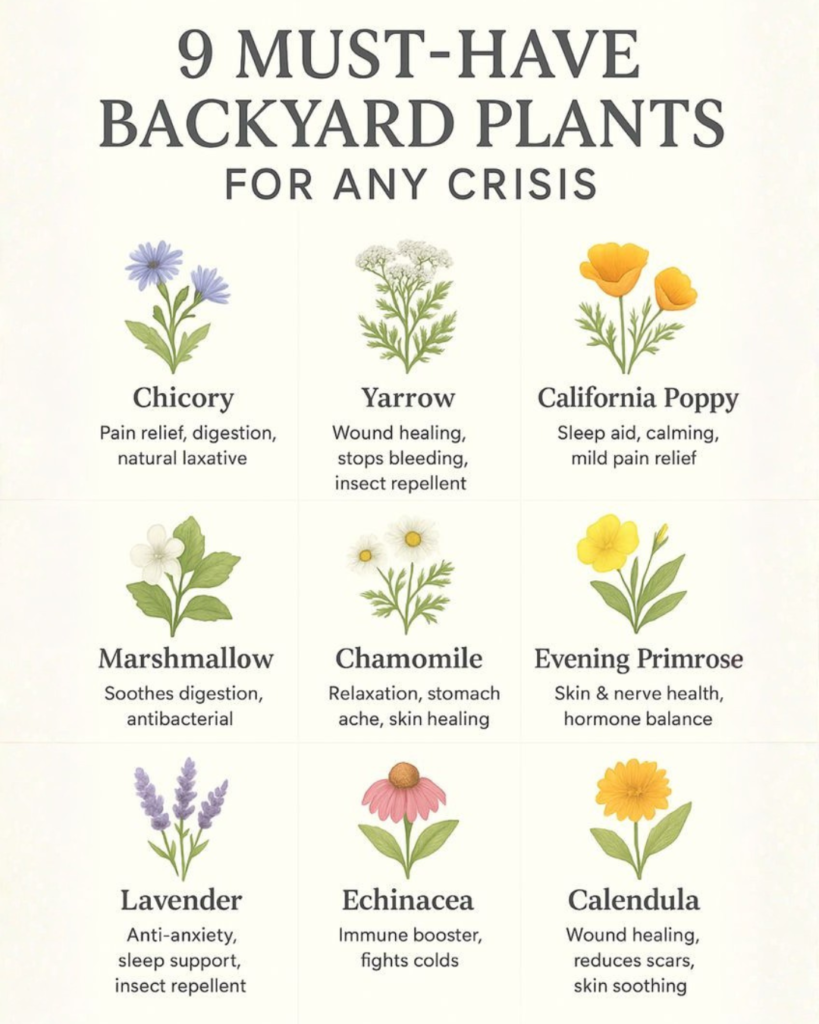
- Calendula: Often called “Nature’s Band-Aid,” it is essential for skin repair.
- Plantain: A common “weed” that is incredible for drawing out toxins from bites or stings.
- Yarrow: Known for its ability to help stop minor bleeding and its fever-reducing properties.
2. The Sowing Process
Most medicinal seeds prefer a “head start” indoors. Use small peat pots and a high-quality seed-starting mix. Keep the soil damp but not soaked. Once the seedlings have two sets of “true leaves,” you can begin the hardening-off process to move them outside.
3. Harvesting and Drying
To ensure your herbs can save you during a winter crisis, you must learn to preserve them. Harvest your herbs in the morning after the dew has evaporated but before the sun is at its peak. Bundle them together and hang them upside down in a cool, dry place with good airflow.
Advanced Strategies: Crafting Your Own Remedies (H2)
Once your garden is established, you can share expert-level insights by moving into [Apothecary Crafting]. This is where the true “survival” aspect comes into play, as you transform raw leaves and flowers into potent, long-lasting remedies.
- The Tincture Method: By soaking dried herbs in high-proof alcohol for 4-6 weeks, you create a concentrated liquid extract. This is the most “shelf-stable” way to keep medicine, often lasting 3-5 years.
- Infused Oils and Salves: Infuse dried Calendula or Comfrey in olive oil for several weeks, then thicken it with beeswax. This creates a portable ointment that is perfect for a bug-out bag or a first-aid kit.
- Oxymels: This is an old-world remedy combining honey and apple cider vinegar with herbs like Garlic or Thyme. It is an excellent way to support respiratory health and is much more palatable for children.
Which herb is best for a survival kit? (H3)
The most versatile herb for any survival kit is Yarrow. Known scientifically as Achillea millefolium, it can be used topically to help stop minor bleeding (styptic), brewed as a tea to help break a fever through sweating (diaphoretic), and used as a general antimicrobial wash for wounds.
Troubleshooting: Overcoming Common Garden Obstacles (H2)
Even the best gardeners face setbacks. When growing backyard herbs that could save you in a crisis, nature will occasionally throw you a curveball. Here is how to handle frequent challenges with a motivational mindset.
- Obstacle: “My seeds aren’t germinating.”
- Solution: Some medicinal seeds (like Lavender or St. John’s Wort) require “cold stratification.” This means they need to sit in the fridge for a few weeks to mimic winter before they will sprout. Check your kit’s instructions!
- Obstacle: “Pests are eating my medicine!”
- Solution: Use “Companion Planting.” Planting aromatic herbs like Peppermint or Sage near your more delicate plants can act as a natural deterrent for many common garden pests.
- Obstacle: “I have very poor soil quality.”
- Solution: Many survival herbs actually thrive in poor soil because it forces them to produce more of their potent medicinal oils. If your soil is truly a “dead zone,” try growing in raised beds or fabric grow bags with added compost.
Maximizing Results: Year-Round Resilience (H2)
To truly build a kit that could save you, you must think about long-term maintenance and growth. Your garden is a living entity that evolves with the seasons.
- Succession Planting: Don’t plant everything at once. Stagger your planting by two weeks to ensure you have a continuous harvest throughout the summer.
- Seed Saving: At the end of the season, allow some of your strongest plants to go to seed. Collect and store these in a cool, dark place. This ensures that even if you can’t buy seeds next year, your garden will continue.
- Local Variations: Research which [Native Medicinal Plants] grow in your specific region. Adding local “wildlings” to your garden increases its hardiness and connection to your specific ecosystem.
- Documentation: Keep a garden journal. Record what grew well, which remedies felt the most effective, and when you harvested. This becomes your personal “Survival Manual.”
Conclusion
You have now discovered that your own backyard holds the potential to be a life-saving resource. By cultivating backyard herbs that could save you in a crisis, you are taking a bold step toward self-reliance and family security. This journey of growing, harvesting, and crafting is an empowering process that transforms your relationship with the land and your own health.
Remember the key takeaways: start with a high-quality seed kit, focus on hardy perennials like Yarrow and Calendula, and learn the art of preservation. You have the capability to be the healer and the provider your family needs. Go ahead—unlock the hidden potential of your garden and achieve the peace of mind that comes with true preparedness. You’ve got this!