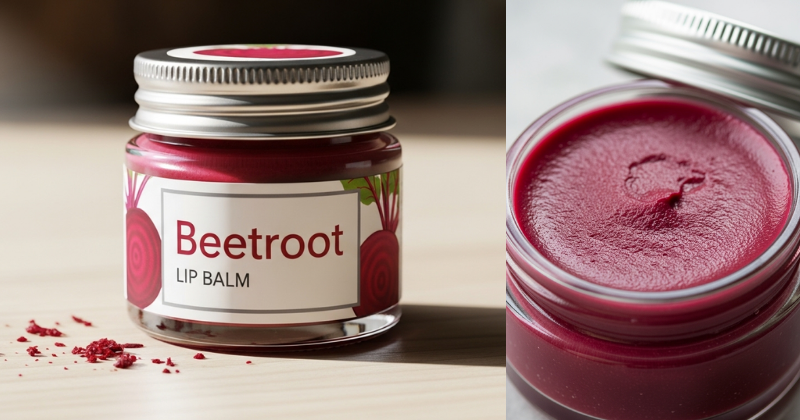
Discover how to create your own beetroot lip balm for naturally pink, hydrated lips. This DIY guide reveals the secrets to chemical-free beauty and soft smiles.
Have you ever spent a small fortune on high-end lip tints only to find that they leave your lips feeling dry, cracked, or stained with artificial dyes? You are not alone! Many of us are looking for ways to simplify our beauty routines while moving toward more natural, sustainable options. Imagine achieving that perfect, rosy glow using ingredients found right in your kitchen. That is exactly what a homemade beetroot lip balm offers—a stunning pop of color combined with deep, nourishing hydration.
In this comprehensive guide, you will discover how to transform simple root vegetables and organic butters into a professional-grade beauty staple. We are going to break down the science of why beetroot works so well for skin, provide an achievable step-by-step recipe, and share pro tips to help you customize your tint. You have the capability to unlock a healthier, more radiant smile without a single synthetic chemical. Let’s embark on this DIY journey together and achieve the soft, tinted lips you’ve always wanted!
Foundation: Why Beetroot Lip Balm is a Game Changer
Before we get our hands stained with beautiful pigments, it is important to understand why this natural alternative is so effective. Beetroot is not just for salads; it is a powerhouse of antioxidants and natural pigments called betalains.
The Power of Natural Pigments
Beetroot contains deep red pigments that act as a natural stain. Unlike synthetic “Red 40” or other coal-tar dyes found in commercial products, beetroot pigment is biocompatible. This means your skin recognizes it and can absorb its benefits rather than just sitting on the surface. When you use beetroot lip balm, you are essentially feeding your skin while you beautify it.
Addressing Lip Discoloration
Many people struggle with dark or dull lips due to sun exposure, dehydration, or lifestyle factors. Beetroot is naturally rich in Vitamin C, which is famous for its brightening properties. Regular use can help lighten dark patches and restore a healthy, pinkish hue. This is a perfect example of how [natural skincare solutions] can solve common aesthetic concerns safely.
Key Benefits for Beginners
- Chemical-Free: No parabens, petrolatum, or artificial fragrances.
- Deep Hydration: Natural oils penetrate deeper than wax-heavy store brands.
- Eco-Friendly: You can reuse old tins and reduce plastic waste.
Step-by-Step: Crafting Your Perfect Beetroot Balm
Creating your own beauty products can feel intimidating, but this process is incredibly straightforward. Think of it as a fun science experiment with a beautiful reward.
1. Preparing Your Beetroot Pigment
You have two main options here: fresh beetroot juice or beetroot powder.
- The Fresh Method: Grate a small beet and squeeze the pulp through a cheesecloth. This gives the most vibrant, immediate color.
- The Powder Method: Using store-bought beetroot powder is faster and extends the shelf life of your balm. This is a great [time-saving DIY tip] for busy creators.
2. Gathering Your Tools and Ingredients
To make a batch that lasts, you will need:
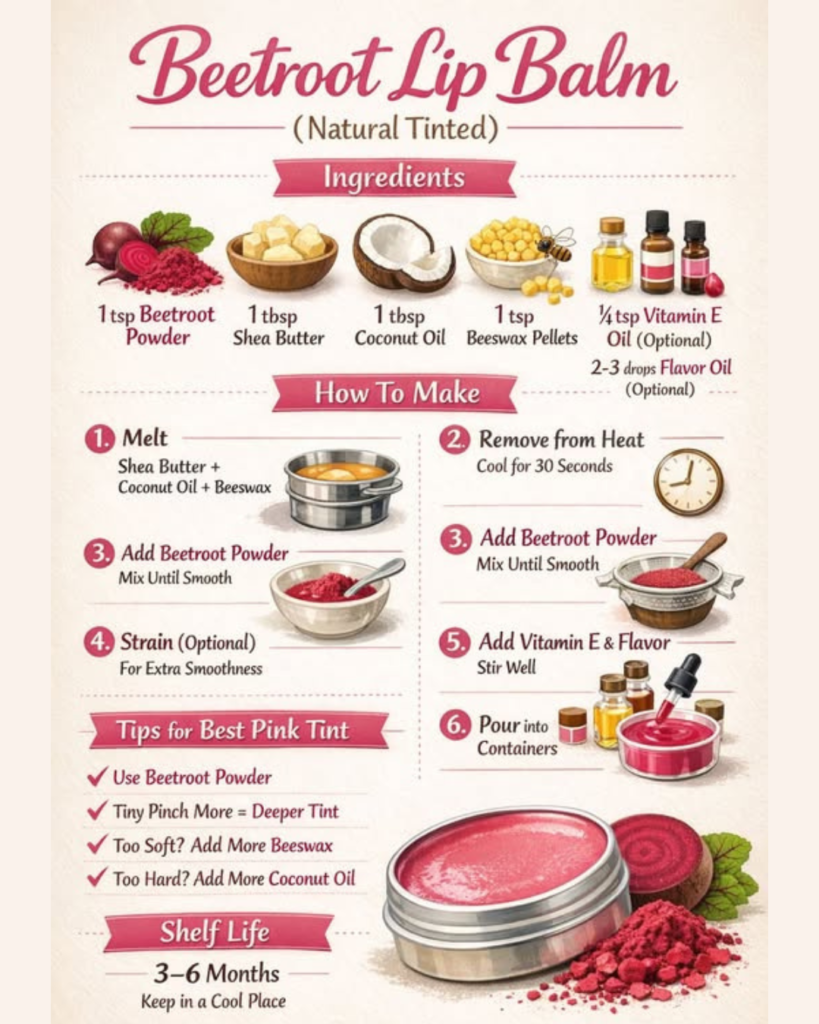
- 1 tbsp Beeswax or Candelilla Wax: This provides the structure.
- 1 tbsp Shea Butter or Cocoa Butter: For that creamy, luxurious feel.
- 1 tbsp Coconut Oil or Almond Oil: For deep-penetrating moisture.
- 1 tsp Beetroot pigment: (Juice or powder).
- Optional: 2 drops of Vitamin E oil (acts as a natural preservative).
3. The Melting Process
Use a “Double Boiler” method. Place a glass bowl over a pot of simmering water. Melt the wax, butter, and oil together until clear. Remove from heat and quickly whisk in your beetroot pigment and Vitamin E. If you are using juice, make sure to whisk vigorously so the oil and water-based juice emulsify before cooling!
4. Setting the Balm
Pour the liquid into small tins or tubes immediately. Let them sit undisturbed at room temperature for at least two hours. Pro-tip: Don’t put them in the freezer to speed things up, as this can cause the wax to crack or the pigment to settle unevenly.
Advanced Strategies: Customizing Your Tint and Texture
Once you have mastered the basic recipe, you can start experimenting with variations to suit your personal style.
Achieving Different Shades
Not everyone wants a deep ruby red. You can customize the intensity of your beetroot lip balm by adjusting the pigment ratio.
- Soft Pink: Use only a half-teaspoon of beetroot powder.
- Deep Berry: Add a tiny drop of blackberry juice or a pinch of hibiscus powder to the mix.
- Shimmer Effect: Stir in a tiny bit of cosmetic-grade mica or even a crushed bit of your favorite natural highlighter.
Customizing for the Seasons
Your skin’s needs change with the weather, and your balm should too. In the winter, increase the ratio of Shea butter to provide a thicker barrier against the wind. In the summer, add a bit more beeswax so the balm doesn’t melt in your pocket. This type of personal adaptation is why [homemade beauty products] are so superior to mass-produced items.
Featured Snippet: How do I make my beetroot lip balm last longer?
To extend the shelf life of beetroot lip balm, use beetroot powder instead of fresh juice to reduce water content, which prevents mold. Additionally, add a few drops of Vitamin E oil, which acts as a natural antioxidant to prevent the oils from going rancid. Store your balm in a cool, dry place and always apply with clean hands to avoid introducing bacteria.
Troubleshooting: Solving Common DIY Challenges
Even the best DIYers run into hiccups. Don’t let a small setback discourage you—most issues are easy to fix!
“My balm is too hard and won’t spread.”
- The Solution: You likely used a bit too much wax.
- The Fix: Simply remelt the balm in your double boiler and add a teaspoon of coconut oil. Reassurance: It is always easier to make a balm softer than it is to make it harder, so start with less wax next time.
“The color is grainy or uneven.”
- The Solution: Beetroot powder needs to be very fine to blend well.
- The Fix: If using powder, sift it through a fine mesh before adding it to the oils. If using juice, ensure you whisk until the very moment the balm starts to solidify to keep the ingredients suspended. This is a common [beginner DIY hurdle] that is easily solved with a bit of extra mixing.
“The color isn’t showing up on my lips.”
- The Strategy: Natural pigments are buildable.
- The Advice: Beetroot provides a “tint,” not a “lipstick” effect. If you want more punch, increase the pigment concentration or try applying a second layer once the first has settled. You are achieving a natural, flushed look that enhances your beauty rather than masking it.
Maximizing Results: Lip Care for Longevity
To get the most out of your new beetroot lip balm, you should treat your lips to a complete care routine.
Pre-Balm Exfoliation
For the tint to look even, you need a smooth canvas. Create a simple [DIY sugar scrub] using brown sugar and honey. Gently massage this onto your lips once a week to remove dead skin cells. This allows the beetroot pigment to stain the fresh skin beneath, giving you a longer-lasting color.
Nighttime Recovery
While your tinted balm is great for daytime, consider a “Mask” version for the night. Use the same recipe but omit the beetroot and add a drop of lavender essential oil. This promotes healing while you sleep, ensuring you wake up with soft, plump lips ready for your daytime tint.
Sustainability and Gifting
Making your own balm is a wonderful way to [embrace a zero-waste lifestyle]. You can find beautiful vintage tins at thrift stores or use small glass jars. These make incredible, thoughtful gifts for friends and family. There is a deep satisfaction in handing someone a product that you made with your own hands, knowing exactly what is inside.
Conclusion
Creating your own beetroot lip balm is more than just a beauty project; it is an empowering step toward self-reliance and wellness. You have learned how to harness the vibrant power of nature to achieve professional results at a fraction of the cost. By following this system, you’ve transformed a simple root vegetable into a daily luxury that protects, tints, and heals.
You’ve got this! Your path to natural beauty starts with that first beet. Whether you’re making a batch for yourself or your loved ones, you are proving that you don’t need synthetic chemicals to look and feel radiant.