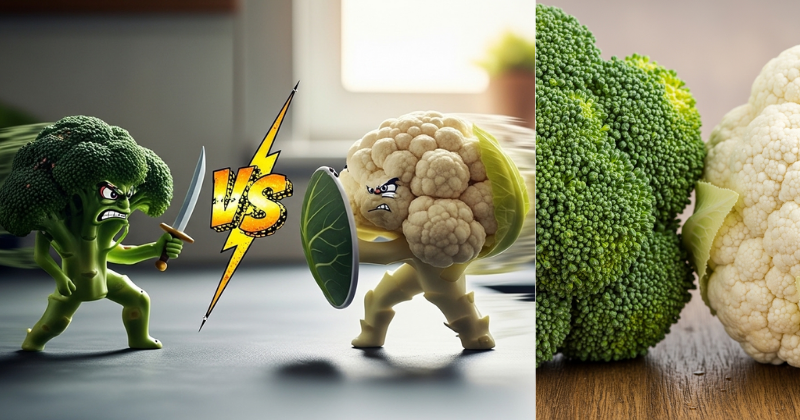
Broccoli vs cauliflower — which one deserves a spot on your plate, in your garden, or in your weekly meal prep? Discover the key differences, health benefits, taste profiles, and cooking tips to choose the best option for you.
Have you ever stood in the produce aisle wondering whether to grab broccoli or cauliflower? They look similar. They’re both cruciferous vegetables. They both promise serious nutrition. Yet each has its own strengths, flavor, and culinary personality.
In this complete guide to Broccoli 🆚 Cauliflower, you’ll discover how they compare in nutrition, taste, cooking versatility, and even gardening potential. Whether your goal is healthier eating, better meal prep, or growing your own vegetables, you’ll walk away confident in your choice — and maybe even decide you don’t have to choose at all.
Let’s break it down in a simple, practical way.
Understanding Broccoli 🆚 Cauliflower: The Basics
Before diving into nutrition and recipes, let’s start with the foundation.
Broccoli and cauliflower both belong to the Brassica family, which includes cabbage, kale, and Brussels sprouts. They grow in cool seasons and thrive in similar climates. But their appearance and flavor set them apart.
What Is Broccoli?
Broccoli is known for its:
- Deep green florets
- Thick edible stalk
- Slightly earthy, mildly bitter flavor
The part you eat is actually a cluster of immature flower buds. When left unharvested, broccoli blooms into small yellow flowers.
It’s popular in stir-fries, steamed dishes, pasta, and healthy meal prep bowls.
What Is Cauliflower?
Cauliflower features:
- A white (or purple/orange) dense head
- Tightly packed flower clusters
- Mild, slightly nutty taste
Unlike broccoli, cauliflower has a more neutral flavor. That makes it incredibly versatile in cooking — especially for low-carb recipes.
Now that you know the basics, let’s compare their benefits side by side.
Nutrition Breakdown: Which Is Healthier?
One of the most searched questions about Broccoli 🆚 Cauliflower is:
Is broccoli healthier than cauliflower?
The short answer: both are highly nutritious, but they shine in slightly different ways.
According to data from the USDA:
- Broccoli contains more vitamin C and vitamin K.
- Cauliflower contains slightly fewer calories and carbs.
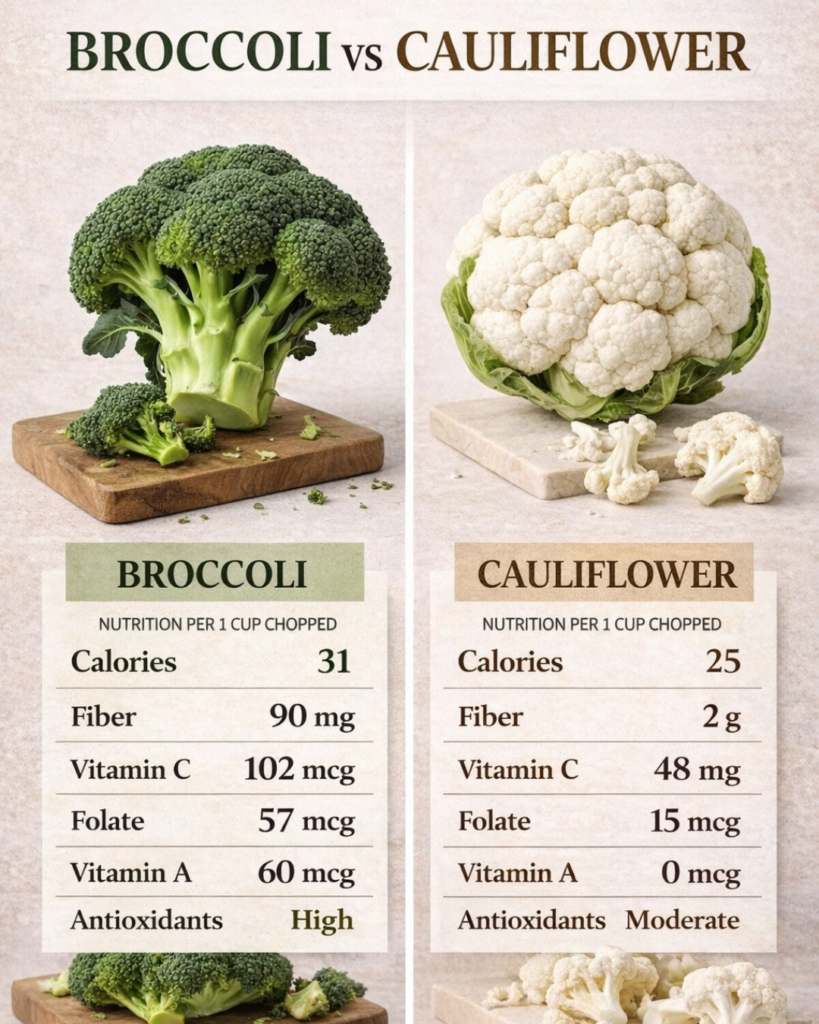
Here’s a quick comparison per 100 grams:
- Calories:
- Broccoli: ~34
- Cauliflower: ~25
- Vitamin C:
- Broccoli: Higher
- Cauliflower: Moderate
- Fiber:
- Both provide around 2–3 grams
- Antioxidants:
- Both contain powerful compounds like sulforaphane
Why Cruciferous Vegetables Matter
Both vegetables contain glucosinolates, natural plant compounds studied for their potential health-supporting properties. Research published in nutrition journals suggests cruciferous vegetables may support heart health and cellular protection.
So in the Broccoli 🆚 Cauliflower debate, the real winner is… your body when you eat either one regularly.
If you’re interested in boosting overall wellness, this topic pairs well with articles on immune-supporting foods, high-fiber meal planning, and anti-inflammatory vegetables.
Cooking Broccoli 🆚 Cauliflower: Step-by-Step Uses
Taste and texture often decide the winner in your kitchen.
How to Cook Broccoli for Best Flavor
Broccoli can turn mushy if overcooked. The key is timing.
Simple Steps:
- Cut florets evenly.
- Steam for 4–5 minutes until bright green.
- Season with olive oil, salt, and lemon.
Quick cooking preserves nutrients and vibrant color.
Other great methods:
- Roasting at 400°F for 20 minutes
- Stir-frying with garlic
- Adding to soups
How to Cook Cauliflower for Maximum Versatility
Cauliflower is incredibly adaptable.
Basic Roasting Method:
- Break into florets.
- Toss with olive oil and spices.
- Roast at 425°F for 25–30 minutes.
Its mild taste absorbs seasoning beautifully.
Popular Cauliflower Transformations
- Cauliflower rice
- Cauliflower pizza crust
- Mashed cauliflower
- Cauliflower steaks
If you’re following a low-carb or keto lifestyle, cauliflower often becomes the go-to substitute.
In the Broccoli 🆚 Cauliflower kitchen showdown, cauliflower wins for versatility — but broccoli wins for bold flavor.
Growing Broccoli 🆚 Cauliflower at Home
If you enjoy gardening, both vegetables reward your effort.
Best Growing Conditions
Both prefer:
- Cool weather (spring or fall planting)
- Well-drained soil
- Full sun (6–8 hours daily)
However, cauliflower is slightly more sensitive to temperature changes.
Broccoli Growing Tips
- Harvest before buds open.
- Water consistently to prevent bitterness.
- Side shoots continue producing after the main head is cut.
Broccoli is more forgiving for beginners.
Cauliflower Growing Tips
- Needs steady temperatures.
- Requires “blanching” (tying leaves over the head) to keep it white.
- Sensitive to heat stress.
In warm climates, broccoli may be easier to grow successfully.
If you’re exploring backyard gardening, this connects well to seasonal planting guides and beginner vegetable garden tips.
Common Challenges in the Broccoli 🆚 Cauliflower Debate
Sometimes things don’t go as planned.
Why Does Broccoli Taste Bitter?
Possible reasons:
- Overcooking
- Too much heat during growth
- Aging florets
Quick cooking and fresh harvest prevent bitterness.
Why Is My Cauliflower Crumbly?
Crumbly texture often comes from:
- Inconsistent watering
- Heat stress
- Nutrient deficiency
Maintain steady soil moisture for best results.
Storage Tips for Both
- Store unwashed in refrigerator crisper.
- Use within 3–5 days.
- Avoid sealing tightly in plastic without airflow.
Fresh produce makes all the difference.
Maximizing the Benefits of Broccoli 🆚 Cauliflower
Why choose just one? Smart meal planning includes both.
Rotate for Variety
Switch between broccoli and cauliflower weekly to:
- Increase nutrient diversity
- Prevent taste fatigue
- Support gut health
Combine Them in Recipes
Try:
- Mixed roasted vegetable trays
- Stir-fries with both florets
- Creamy blended soups
Their textures complement each other beautifully.
Experiment With Colors
Did you know cauliflower also comes in purple, green, and orange varieties? These colorful types contain additional antioxidants.
Broccoli varieties also range from standard heads to broccolini and sprouting types.
Exploring variety keeps meals exciting and nutrient-rich.
Broccoli 🆚 Cauliflower: Quick Comparison Table
For easy reference:
- Higher Vitamin C: Broccoli
- Lower Calories: Cauliflower
- Stronger Flavor: Broccoli
- More Neutral & Adaptable: Cauliflower
- Easier to Grow: Broccoli
- Best for Low-Carb Swaps: Cauliflower
Both deliver fiber, antioxidants, and essential vitamins.
Final Verdict: Which Should You Choose?
The Broccoli 🆚 Cauliflower debate isn’t about picking a winner — it’s about discovering what works best for you.
If you love bold flavor and slightly higher vitamin content, broccoli is your match. If you enjoy culinary creativity and low-carb substitutions, cauliflower might become your favorite.
The truth? Your healthiest choice is adding both to your routine.
Start simple. Roast a tray tonight. Add one to your grocery list this week. Try growing one next season.
Small, consistent choices transform your nutrition — and you absolutely have the power to make them.