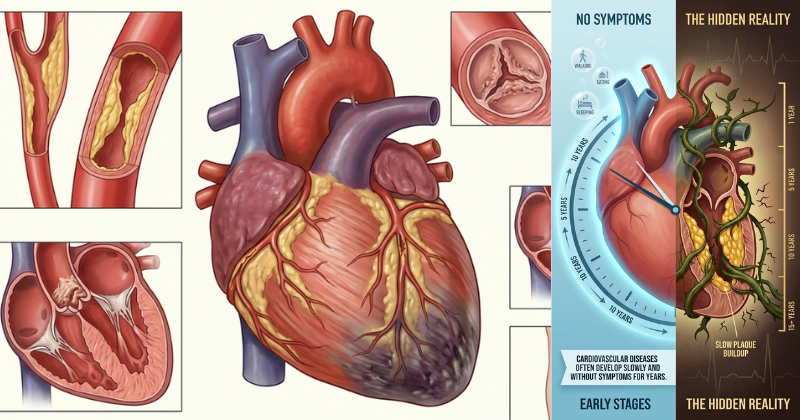
Cardiovascular diseases are among the leading health concerns worldwide. One of the most concerning aspects of these conditions is that they often develop slowly and without noticeable symptoms for many years. This silent progression means that many people may not realize their heart or blood vessels are under stress until the disease has already advanced.
Understanding how cardiovascular diseases develop and learning how to reduce risk can play an important role in protecting long-term health.
What Are Cardiovascular Diseases?
Cardiovascular diseases refer to a group of conditions that affect the heart and blood vessels. These conditions can interfere with the normal flow of blood throughout the body.
Some common types include:
- Heart disease
- Stroke
- High blood pressure
- Atherosclerosis (narrowed arteries)
These conditions may develop over many years before symptoms appear.
Why Cardiovascular Diseases Develop Slowly
The body can adapt to gradual changes for a long time. When arteries begin to narrow or when blood pressure slowly rises, the changes often happen so gradually that the body adjusts without obvious warning signs.
Over time, however, these changes can lead to serious problems if they continue to progress.
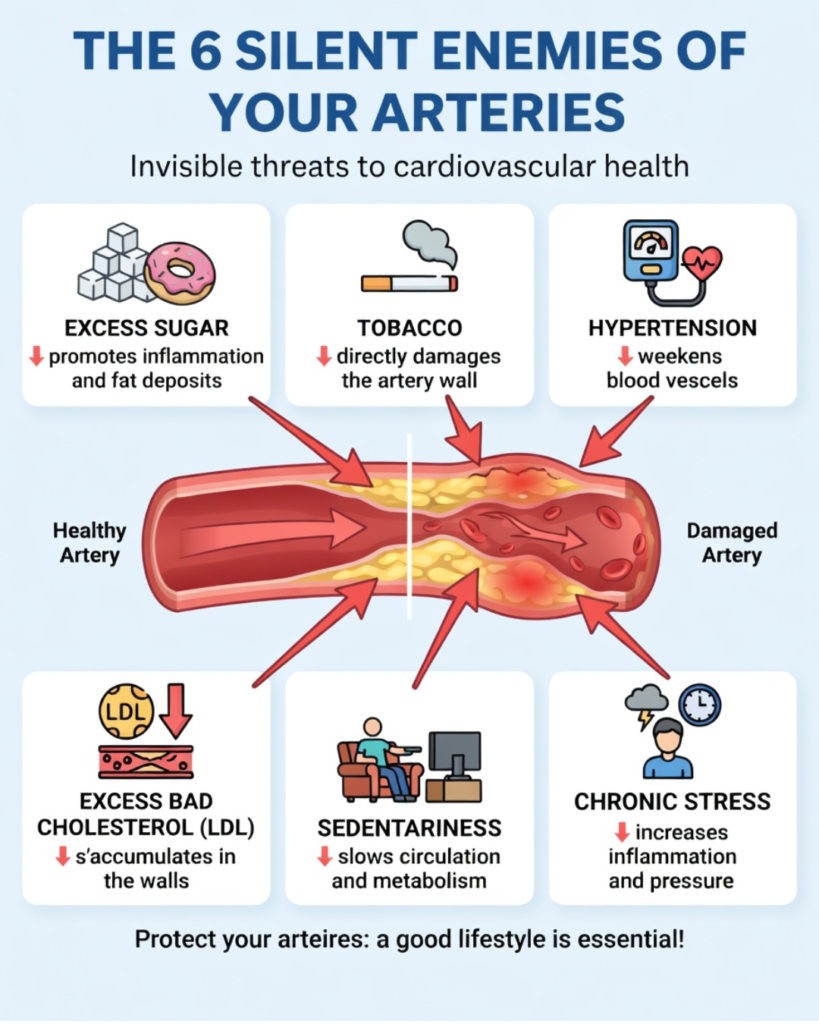
Several factors contribute to this slow development:
- Long-term unhealthy diet
- Lack of physical activity
- Smoking
- Chronic stress
- High cholesterol levels
Because these risk factors often accumulate over years, cardiovascular diseases can remain unnoticed for a long period.
Early Signs That May Be Overlooked
Even though many cardiovascular conditions develop silently, some subtle signs may appear.
These can include:
- Unusual fatigue
- Shortness of breath
- Mild chest discomfort
- Dizziness
- Swelling in the legs or feet
These symptoms may be mild or mistaken for other issues, which is why regular health checkups are important.
Lifestyle Habits That Help Protect the Heart
Although cardiovascular diseases can develop silently, many risk factors are preventable. Healthy lifestyle habits can significantly support heart health.
Eat a Balanced Diet
A diet rich in fruits, vegetables, whole grains, and healthy fats supports heart function and helps maintain healthy cholesterol levels.
Stay Physically Active
Regular physical activity helps strengthen the heart and improve circulation. Even moderate exercise such as walking can contribute to better cardiovascular health.
Maintain a Healthy Weight
Excess weight can increase the strain on the heart and blood vessels. Maintaining a healthy weight helps reduce this stress.
Avoid Smoking
Smoking damages blood vessels and significantly increases the risk of cardiovascular disease.
Manage Stress
Long-term stress can affect blood pressure and heart health. Practices like relaxation techniques, sleep, and physical activity can help manage stress levels.
The Importance of Regular Checkups
Because cardiovascular diseases may develop without symptoms, routine health screenings are essential.
Doctors may check:
- Blood pressure
- Cholesterol levels
- Blood sugar levels
- Heart function
These tests can detect risk factors early and allow preventive action before more serious problems develop.
Conclusion
Cardiovascular diseases often progress slowly and silently, sometimes without noticeable symptoms for many years. This silent development highlights the importance of maintaining healthy habits and scheduling regular medical checkups.
By understanding risk factors and making heart-healthy lifestyle choices, individuals can help support their cardiovascular health and reduce the risk of serious complications later in life.