Meta Description (150–160 characters):
Chia seeds and blood sugar are closely linked. Discover how food pairing affects glucose levels and how to use chia seeds for better balance.
You’ve probably heard that chia seeds are good for blood sugar. Maybe you’ve added them to smoothies or sprinkled them on yogurt. But here’s the real question: when it comes to chia seeds and blood sugar, does food pairing matter?
The short answer is yes—what you eat with chia seeds can significantly influence how your body responds to carbohydrates. These tiny seeds are packed with fiber, healthy fats, and plant-based protein. But their real power lies in how they interact with other foods, especially high-carb meals.
In this guide, you’ll discover how chia seeds affect blood sugar, why pairing them correctly can help stabilize glucose levels, and how to use simple strategies to transform everyday meals. Whether you’re managing insulin resistance, prediabetes, type 2 diabetes, or simply aiming for steady energy, you’ll learn how to make chia seeds work smarter for you.
What Makes Chia Seeds Powerful for Blood Sugar Control?
Before exploring food pairing, it helps to understand why chia seeds and blood sugar regulation are connected in the first place.
Chia seeds are rich in:
- Soluble fiber
- Omega-3 fatty acids
- Plant-based protein
- Antioxidants
But the standout nutrient is fiber—especially soluble fiber.
How Soluble Fiber Slows Glucose Absorption
When chia seeds absorb liquid, they form a gel-like coating. This gel slows digestion and delays the absorption of carbohydrates in your gut.
The result?
A slower rise in blood sugar after meals.
Instead of sharp spikes followed by crashes, your body experiences a more gradual release of glucose into the bloodstream.
Glycemic Impact and Chia Seeds
Chia seeds have a very low glycemic index because they contain minimal digestible carbohydrates. Their fiber content reduces the glycemic impact of foods they’re eaten with.
This is where food pairing becomes essential.
How Does Food Pairing Influence Blood Sugar Response?
Chia seeds alone are beneficial—but their real advantage appears when combined with carbohydrate-rich foods.
What Is Food Pairing?
Food pairing refers to combining macronutrients—carbohydrates, protein, fat, and fiber—in a way that improves metabolic response.
When carbohydrates are eaten alone, especially refined ones, they digest quickly and may cause rapid blood sugar spikes.
But when paired with:
- Fiber
- Healthy fats
- Protein
Digestion slows, insulin response improves, and glucose levels stabilize.
Why Chia Seeds Enhance Carbohydrate Tolerance
Adding chia seeds to oatmeal, fruit, smoothies, or baked goods can:
- Reduce post-meal glucose spikes
- Improve satiety
- Support insulin sensitivity
For example, eating plain white toast may spike blood sugar. Adding chia seeds to avocado spread on whole-grain toast creates a more balanced meal.
Food pairing transforms how your body processes carbohydrates.
Can Chia Seeds Lower Blood Sugar on Their Own?
This is a common question, and it deserves a clear answer.
Featured Snippet Answer:
Chia seeds do not directly “lower” blood sugar like medication. However, they help reduce blood sugar spikes by slowing digestion and improving glucose absorption when paired with carbohydrate-containing foods.
Several small clinical studies suggest chia seed consumption may improve markers of metabolic health, including fasting blood sugar and insulin resistance, particularly when used consistently.
However, chia seeds are not a standalone treatment. They work best as part of an overall balanced dietary pattern.
What Are the Best Food Pairings for Chia Seeds and Blood Sugar Balance?
Now let’s get practical. Here’s how you can strategically pair chia seeds to support steady glucose levels.
1. Pair Chia Seeds with Oats
Oatmeal is healthy but still carbohydrate-dense. Adding 1–2 tablespoons of chia seeds:
- Increases fiber content
- Slows digestion
- Extends fullness
This combination can reduce mid-morning crashes.
2. Add Chia to Smoothies with Protein
Fruit smoothies alone may cause blood sugar spikes.
Upgrade them by including:
- Chia seeds
- Greek yogurt or protein powder
- Nut butter
This trio balances carbohydrates with fiber, fat, and protein.
3. Combine with Yogurt and Berries
Plain yogurt + berries + chia seeds is an excellent blood sugar–friendly breakfast.
Why it works:
- Yogurt provides protein
- Berries offer antioxidants and fiber
- Chia adds gel-forming soluble fiber
The result is a slower glucose response.
4. Mix into Whole-Grain Baking
Adding chia seeds to muffins or bread increases fiber density and lowers overall glycemic load.
Even small changes create measurable impact.
How Much Chia Should You Use for Blood Sugar Support?
Moderation matters. More isn’t always better.
Recommended Intake
Most research suggests 1–2 tablespoons per day is effective and safe for most adults.
Start gradually. Because chia seeds are high in fiber, increasing too quickly may cause digestive discomfort.
How to Prepare Them Properly
Chia seeds can be eaten:
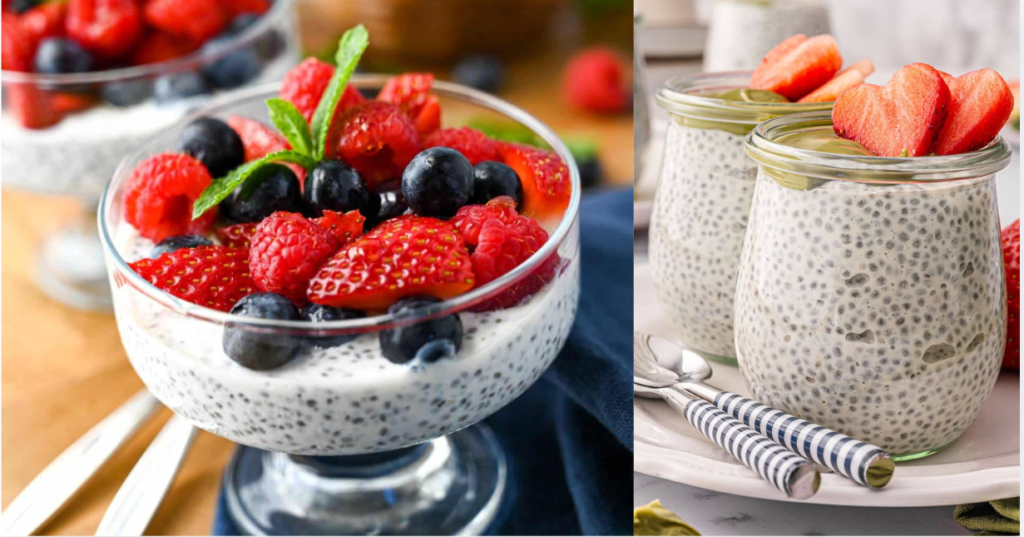
- Soaked in liquid (chia pudding)
- Stirred into yogurt
- Blended into smoothies
- Sprinkled onto salads
Soaking enhances gel formation and may improve digestibility.
Hydration is important when consuming fiber-rich foods.
Common Mistakes When Using Chia Seeds for Blood Sugar
Even healthy foods can be misused. Here’s what to avoid.
Mistake 1: Adding Chia to High-Sugar Meals
If you add chia seeds to a sugary dessert, it doesn’t cancel out excessive sugar intake.
Chia supports balance—but it doesn’t override poor dietary choices.
Mistake 2: Ignoring Portion Sizes
A smoothie with fruit juice, multiple bananas, and sweetened yogurt can still spike blood sugar—even with chia added.
Balance matters more than single ingredients.
Mistake 3: Expecting Immediate Results
Chia seeds support long-term metabolic health. They’re part of a bigger picture that includes:
- Consistent exercise
- Quality sleep
- Balanced macronutrients
- Stress management
Sustainable habits drive lasting change.
Advanced Strategies to Maximize Blood Sugar Stability
If you’re ready to take things further, consider these next-level strategies.
Time Your Carbohydrates Strategically
Pair chia seeds with carbs earlier in the day when insulin sensitivity is typically higher.
For example:
- Breakfast chia oatmeal
- Midday chia yogurt bowl
Avoid heavy carb loads late at night.
Combine with Movement
A short walk after meals enhances glucose uptake by muscles. When paired with chia-enhanced meals, the effect can be amplified.
Build a Balanced Plate
Use this simple formula:
- ½ plate non-starchy vegetables
- ¼ plate protein
- ¼ plate whole grains or starch
- Add 1–2 tablespoons chia seeds
This approach stabilizes energy and supports metabolic health.
How Do Chia Seeds Compare to Other Blood Sugar–Friendly Foods?
Chia seeds are powerful—but they work best in combination with other supportive foods.
Other Helpful Additions
- Flaxseeds
- Leafy greens
- Legumes
- Nuts and seeds
- Whole grains
You may also explore related topics such as:
- Best low-glycemic foods for beginners
- How fiber improves insulin sensitivity
- The role of omega-3 fats in metabolic health
- Meal timing for blood sugar control
Each plays a role in the bigger metabolic picture.
Chia seeds are not magic—but they are strategic.
Conclusion: Does Food Pairing with Chia Seeds Matter?
Absolutely. When it comes to chia seeds and blood sugar, food pairing makes a measurable difference.
Chia seeds slow digestion, reduce glucose spikes, and enhance satiety—but their real power emerges when combined with balanced meals. By pairing them with protein, healthy fats, and whole carbohydrates, you transform simple dishes into blood sugar–supportive meals.
You don’t need extreme diets. You don’t need complicated plans. You just need smarter combinations.
Start small. Add a tablespoon of chia to tomorrow’s breakfast. Notice how your energy feels. Build from there.
Steady blood sugar isn’t about restriction—it’s about strategy. And now, you have one.
Important Disclaimer: This article is for informational purposes only and should not replace professional advice. For health-related topics, consult healthcare providers. For financial or legal matters, seek qualified professional guidance. For safety procedures, verify current best practices and local regulations. Individual results may vary, and personal circumstances should always be considered when implementing any suggestions.