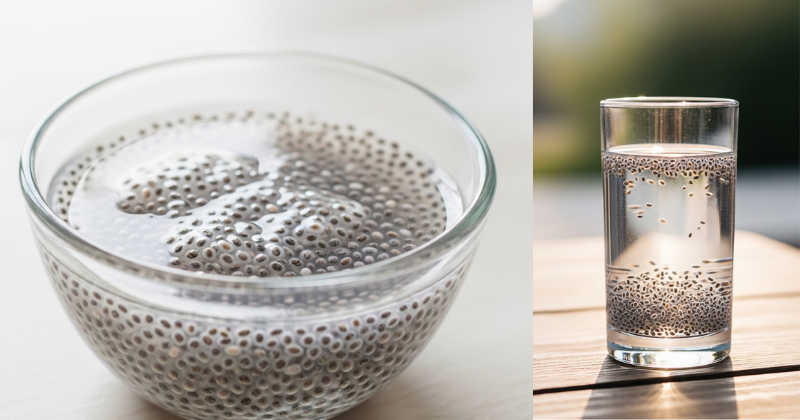
Chia water has emerged as one of the most searched wellness beverages of the past decade — and unlike many trending health drinks, the scientific evidence supporting its benefits is genuinely substantive. Two tablespoons of chia seeds suspended in water deliver a nutritional payload that modern biochemistry can map precisely: soluble fiber that modulates glycemic response through viscosity-mediated glucose absorption slowing, omega-3 alpha-linolenic acid that shifts the body’s eicosanoid balance toward anti-inflammatory signaling, and a complete amino acid profile rare among plant sources. This guide examines chia water benefits through the lens of the peer-reviewed research that validates them, explains the mechanisms driving each effect, and provides practical protocols for integrating this evidence-based beverage into your daily routine.
The Nutritional Architecture of Chia Seeds in Water
Understanding what chia water actually delivers requires examining the biochemical composition of Salvia hispanica seeds and how aqueous suspension influences the bioavailability of their constituent compounds.
Macronutrient and Micronutrient Profile
A standard serving of chia water — typically 2 tablespoons (approximately 28g) of chia seeds in 16-20 ounces of water — provides a nutritional matrix of remarkable density. Those 28 grams deliver approximately 9.8g of dietary fiber (35% of the daily recommended intake), 4.7g of protein containing all essential amino acids, 8.7g of fat (predominantly the omega-3 fatty acid alpha-linolenic acid at 5.1g — exceeding the adequate intake for ALA for most adults in a single serving), and a mineral profile including 179mg calcium (14% DV), 95mg magnesium (23% DV), 244mg phosphorus (20% DV), and 2.2mg zinc (20% DV).
What distinguishes chia in water from chia eaten dry or in food is the hydration status and the activation of mucilaginous polysaccharides. When chia seeds contact water, specialized cells in the seed coat called mucilage cells rupture, releasing complex arabinose- and xylose-containing polysaccharides that absorb up to 27 times the seed’s weight in water. This hydrogel formation is not cosmetic — it directly alters the gastrointestinal behavior of everything consumed alongside or after the chia water.
The Hydrogel Phenomenon: Physiological Significance
The gel matrix formed by chia seeds in water has viscosity characteristics that place it in a unique functional category among dietary interventions. Rheological analysis documents that fully hydrated chia gel achieves viscosities of approximately 3,000-15,000 centipoise depending on concentration — within the range of viscous soluble fibers like psyllium and beta-glucan that have demonstrated the most robust effects on glycemic control and satiety in clinical research. This viscosity slows gastric emptying, reduces the rate of intestinal glucose absorption, and physically impedes the diffusion of digestive enzymes to substrate — collectively producing the flattened postprandial glucose curve that represents one of chia water’s most consistently documented benefits.
The Six Core Chia Water Benefits: Mechanisms and Evidence
Benefit 1: Glycemic Response Modulation
The effect of chia water consumption on blood glucose dynamics represents one of its most rigorously studied benefits. A randomized crossover study published in the European Journal of Clinical Nutrition demonstrated that adding chia seeds to bread reduced the glycemic index of the meal by 35% — an effect attributed to the gel matrix reducing amylase access to starch substrates and slowing glucose absorption at the intestinal epithelium. The mechanism is analogous to the therapeutic mechanism of acarbose (a pharmaceutical alpha-glucosidase inhibitor) — but operating physically rather than through enzyme inhibition.
For chia water consumed before or with meals, the pre-formed hydrogel establishes the viscous environment in the stomach before food arrives, priming the gastric environment for blunted glycemic response. Research in diabetic populations documents average postprandial glucose reductions of 12-15% when viscous fiber is consumed before carbohydrate-containing meals — a clinically meaningful reduction that, sustained consistently, associates with improved HbA1c over time.
Benefit 2: Satiety Enhancement and Appetite Regulation
Chia water influences satiety through multiple concurrent mechanisms that operate at different timescales. The immediate mechanical effect involves gastric distension — the gel expansion in the stomach activates stretch receptors that transmit satiety signals to the hypothalamus via vagal afferents, reducing acute hunger. Research using visual analog scales demonstrates significantly reduced appetite ratings 60-120 minutes after chia water consumption compared to plain water controls.
The medium-term satiety effect involves short-chain fatty acid (SCFA) production. Chia’s soluble fiber reaches the colon largely intact, where it undergoes fermentation by Bacteroides, Bifidobacterium, and Faecalibacterium prausnitzii species, producing acetate, propionate, and butyrate. Propionate enters portal circulation and reduces hepatic glucose output while activating intestinal gluconeogenesis pathways that send satiety signals via the gut-brain axis — an indirect satiety mechanism operating over a 3-6 hour window following consumption.
A meta-analysis published in the Journal of the Academy of Nutrition and Dietetics examining fiber supplementation across 44 randomized controlled trials documented mean reductions in energy intake of approximately 16% following high-viscosity fiber consumption — with effects more pronounced when fiber was consumed before rather than during meals.
Benefit 3: Cardiovascular Risk Factor Reduction
Chia’s omega-3 fatty acid content — specifically alpha-linolenic acid (ALA) — provides the substrate for elongation and desaturation to EPA and DHA through the FADS1/FADS2 enzyme pathway, though conversion efficiency averages only 5-10% for EPA and less than 0.5% for DHA in most individuals. Despite limited conversion efficiency, the ALA itself demonstrates independent cardiovascular benefits through mechanisms separate from its EPA/DHA precursor role. ALA inhibits platelet aggregation through cyclopentanoid pathway modulation, reduces plasma triglycerides through PPAR-alpha activation in hepatocytes, and demonstrates anti-arrhythmic properties through membrane potential stabilization in cardiac myocytes.
The soluble fiber component contributes additional cardiovascular benefit through bile acid sequestration — viscous fiber binds bile acids in the small intestine, preventing their reabsorption in the terminal ileum. The liver responds to reduced bile acid return by upregulating LDL receptor expression to capture circulating LDL cholesterol for bile acid resynthesis, effectively lowering plasma LDL-C. A meta-analysis of viscous fiber interventions documented average LDL-C reductions of 0.28 mmol/L — modest but clinically meaningful when sustained consistently alongside other cardiovascular health behaviors.
Benefit 4: Enhanced Cellular Hydration
The hydration benefit of chia water extends beyond simple fluid delivery — the gel matrix influences hydration kinetics in physiologically interesting ways. The chia gel slows water absorption from the gut, extending the duration of fluid availability in the gastrointestinal tract. This prolonged residence time in the intestinal lumen means water absorption continues over a longer period compared to plain water consumption, potentially improving hydration efficiency — particularly relevant during exercise or in hot climates where rapid rehydration is desired.
Electrolytes present in chia seeds — notably sodium (minor), potassium (67mg per serving), and calcium — contribute to the osmolarity of chia water, creating a slightly hypo-osmotic to iso-osmotic beverage that supports intestinal water absorption through the sodium-glucose cotransporter (SGLT1) pathway. While chia water is not equivalent to formulated oral rehydration solutions for clinical dehydration management, its combined fluid-electrolyte-fiber matrix provides meaningfully enhanced hydration compared to plain water for everyday hydration maintenance.
Benefit 5: Digestive Microbiome Support
Chia water delivers prebiotic substrates that selectively stimulate beneficial gut microbiome populations through fermentation dynamics that are increasingly well-characterized. The arabinose-xylose polysaccharides in chia mucilage are preferentially fermented by Bifidobacterium and Lactobacillus species — keystone taxa associated with intestinal barrier integrity and reduced systemic inflammation. Research published in Gut Microbes documents increased Bifidobacterium populations following chia seed consumption, alongside elevated SCFA concentrations that nourish colonocytes and maintain the mucus layer separating luminal bacteria from intestinal epithelium.
The regularity benefits reported anecdotally by chia water users reflect this microbiome and fiber interaction: increased stool water content from the gel’s hydrophilic properties, accelerated colonic transit from increased fermentation gas and SCFA production stimulating peristalsis, and improved stool consistency from the gel matrix that optimizes fecal bulk and form.
Benefit 6: Anti-Inflammatory Micronutrient Delivery
The comprehensive micronutrient content of chia seeds addresses several nutritional insufficiencies prevalent in Western dietary patterns that directly influence systemic inflammatory status. Magnesium deficiency — present in an estimated 50% of Western adults — impairs NF-κB regulatory mechanisms that govern pro-inflammatory cytokine gene expression. The 95mg of magnesium per serving of chia water provides approximately 23% of daily requirements, meaningfully contributing to magnesium sufficiency over time. The chlorogenic acid and caffeic acid content of chia seeds (present at lower concentrations than their omega-3 and fiber content but biologically active) inhibit 5-lipoxygenase and cyclooxygenase pathways, reducing leukotriene and prostaglandin synthesis from the same arachidonic acid cascade that NSAIDs target pharmacologically.
Preparing Optimal Chia Water: Protocol and Ratios
Getting the preparation right maximizes both the physiological benefits and the palatability that determines whether you’ll maintain the habit consistently.
Standard Daily Chia Water Recipe:
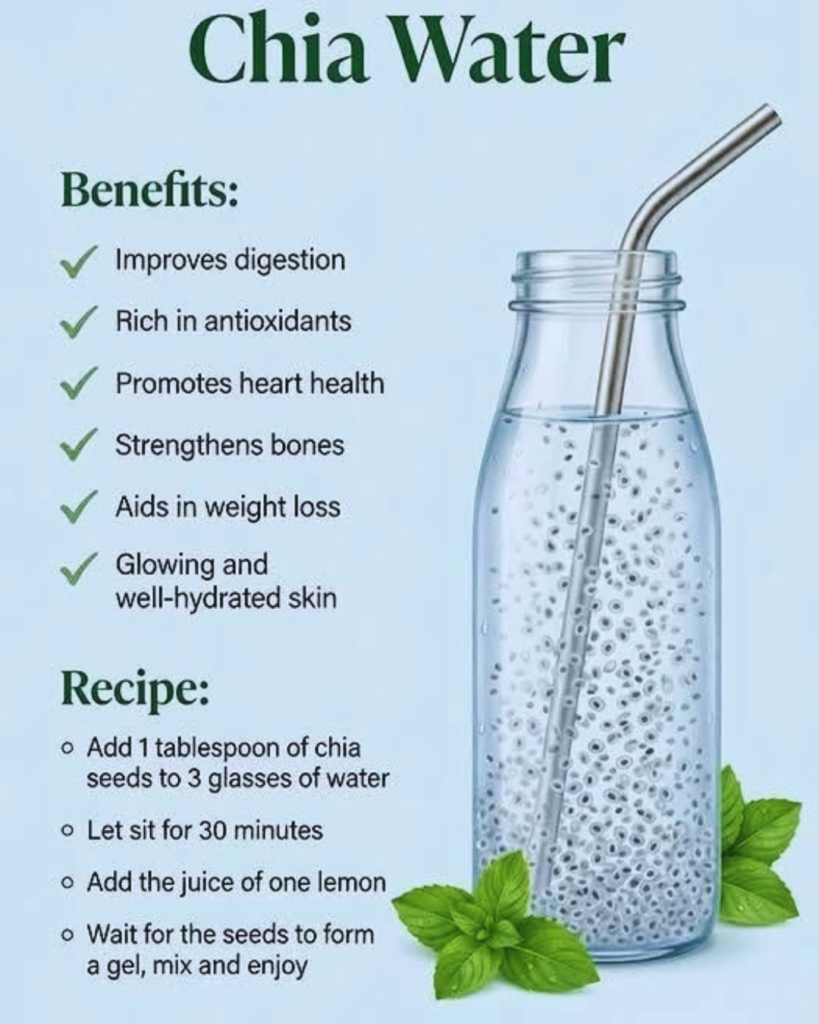
Combine 2 tablespoons (28g) of whole chia seeds with 16-20 ounces (475-600ml) of filtered water. The water temperature matters for gel formation kinetics — room temperature or cold water (4-20°C) produces a firmer gel with more homogeneous seed distribution; hot water produces a softer gel that disperses more readily. Stir immediately after combining to prevent clumping, stir again at 5 minutes, and allow to rest for a minimum of 20-30 minutes before consumption. For maximum gel development and full mucilaginous polysaccharide release, prepare the night before and refrigerate overnight.
Optional enhancements that complement rather than compromise the biochemical profile include fresh lemon juice (adding vitamin C that enhances iron bioavailability from chia’s non-heme iron content), a small amount of raw honey (adding prebiotics and antimicrobial compounds without significantly affecting glycemic response at small quantities), or fresh ginger (adding gingerols that synergize with chia’s anti-inflammatory compounds through complementary COX pathway modulation).
Timing Protocols for Specific Benefits:
For glycemic control and satiety: consume 20-30 minutes before the highest-carbohydrate meal of the day, allowing the gel to establish in the stomach before food arrives. For hydration optimization: consume chia water as the first beverage of the morning, replacing or preceding coffee — the gel-mediated extended absorption compensates for the overnight fluid deficit more efficiently than plain water. For digestive regularity: consistent daily consumption at any time produces cumulative microbiome and motility effects; morning consumption aligns with natural circadian patterns of gastrointestinal motility.
Troubleshooting Common Chia Water Challenges
Managing Texture Sensitivity
The gelatinous texture of hydrated chia seeds represents the primary palatability obstacle for new users. The texture is a direct consequence of the mucilaginous polysaccharides providing the therapeutic effect — eliminating it would eliminate the primary benefit. Practical strategies for texture adaptation include starting with less seed (1 teaspoon rather than 2 tablespoons) and gradually increasing over 2-3 weeks as tolerance develops. Blending chia water in a high-powered blender after gel formation breaks seed clusters into a smoother consistency that many find more palatable while preserving the beneficial fiber properties.
Addressing Initial Digestive Adjustment
The significant fiber increase that chia water introduces can produce transient digestive adjustment — increased gas production, bloating, or altered bowel frequency — in the first 1-2 weeks of consistent consumption. This represents normal gut microbiome adaptation as fermentative populations respond to new substrate availability rather than adverse reaction to chia specifically. The standard mitigation approach involves gradual introduction: begin with 1 teaspoon per day for the first week, increase to 1 tablespoon the second week, and reach the therapeutic 2-tablespoon dose by the third week. Ensuring adequate total daily water intake (at least 2 liters) is essential — chia’s hydrophilic properties without sufficient background hydration can theoretically worsen constipation in dehydrated individuals.
Seed-to-Water Ratio Optimization for Climate and Activity Level
In hot climates or during periods of elevated physical activity, increase the water volume to 20-24 ounces per 2 tablespoons of seeds while maintaining the seed quantity. This diluted preparation delivers equivalent fiber and nutrient benefits while providing enhanced fluid delivery appropriate for elevated hydration demands. Conversely, for targeted pre-meal satiety effect in cool conditions with lower hydration needs, a more concentrated preparation (2 tablespoons in 12 ounces) produces stronger viscosity effects — though with less absolute fluid contribution.
Maximizing Long-Term Chia Water Benefits
The most significant chia water benefits are cumulative rather than acute. Microbiome composition shifts measurably over 4-6 weeks of consistent prebiotic delivery. Cardiovascular biomarker improvements (triglycerides, LDL-C) require 8-12 weeks of consistent ALA and soluble fiber intake. Sustained glycemic control benefits depend on consistent pre-meal consumption that establishes viscous gut conditions as a chronic rather than episodic intervention. Framing chia water as a daily foundational habit rather than an occasional supplement unlocks its full evidence-based potential.
Pairing chia water with dietary patterns that provide the FADS1/FADS2 enzyme cofactors that improve ALA-to-EPA conversion — specifically zinc, vitamin B6, and biotin — modestly improves the cardiovascular benefit from chia’s omega-3 content. Including preformed long-chain omega-3s (EPA and DHA from fatty fish or algal supplements) alongside chia water sidesteps the conversion limitation entirely, creating a complementary rather than competing approach to omega-3 sufficiency.
Conclusion
Chia water benefits operate through precise, well-characterized biochemical mechanisms — glycemic response modulation via hydrogel viscosity, satiety signaling through gastric distension and SCFA-mediated gut-brain communication, cardiovascular support through bile acid sequestration and ALA-mediated lipid modulation, and microbiome enrichment through selective prebiotic fermentation. These are not generalized wellness claims but specific, mechanistically grounded effects supported by peer-reviewed clinical research. Begin with one teaspoon in 16 ounces of water daily and build gradually to the therapeutic 2-tablespoon dose over three weeks. Prepare the night before for optimal gel development, consume before your highest-carbohydrate meal for maximum glycemic benefit, and maintain the practice consistently for the cumulative metabolic and microbiome effects that represent its most transformative potential.
Important Disclaimer: This article is for informational purposes only and should not replace professional advice. For health-related topics, consult healthcare providers. Individuals with swallowing difficulties should exercise caution with chia seeds. Individual results may vary, and personal circumstances should always be considered when implementing any suggestions.