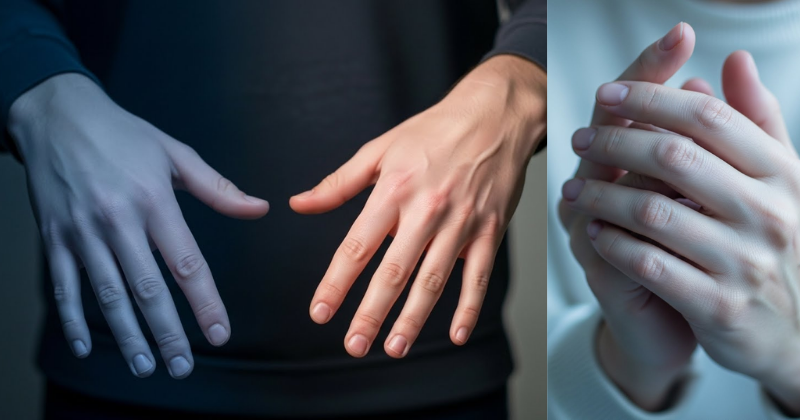
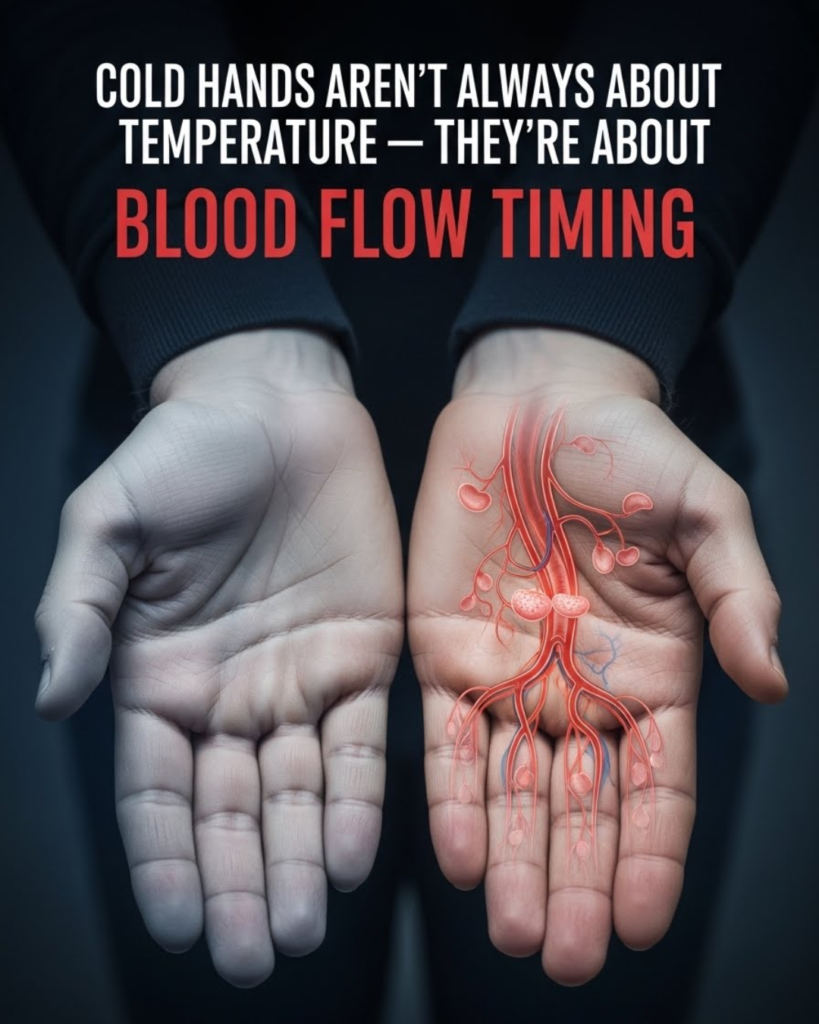
Cold hands aren’t always about temperature—they’re about blood flow timing. Discover how your body manages circulation and learn how to keep your extremities warm.
Have you ever sat in a perfectly warm room, wrapped in a blanket, yet felt like your fingers were made of ice? It is a frustrating experience that leads many to believe they are simply “cold-blooded” or that the thermostat is broken. However, the truth is much more fascinating: cold hands aren’t always about temperature—they’re about blood flow timing. Your body is a master of prioritization, and sometimes, its internal schedule for distributing warmth doesn’t align with your comfort.
By understanding the physiological “clock” behind your circulation, you can transform how you manage your daily wellness. This guide will help you discover why your hands stay chilly and provide you with actionable steps to unlock better blood flow. You have the capability to achieve a warmer, more comfortable lifestyle by working with your biology rather than against it. Get ready to empower your health journey and achieve the cozy, vibrant feeling you deserve!
Foundation: The Science of Circulation Timing
Before we dive into solutions, let’s build your confidence by understanding the basic concepts of thermoregulation. It is essential to realize that your body isn’t failing you; it is protecting you.
The Survival Mechanism
Your body’s primary goal is to keep your core organs—like your heart, lungs, and brain—at a stable temperature. When your internal sensors detect a shift in environment or stress levels, the “timing” of blood flow changes. The body constricts blood vessels in the extremities (vasoconstriction) to keep the warm blood centered. Cold hands are often just a sign that your body is prioritizing your vital “engine” over your “fenders.”
The “Timing” Factor
Circulation isn’t a constant stream; it responds to triggers. If your blood flow timing is off, your vessels may stay constricted long after the initial cold snap has passed. This delay in “re-warming” is what causes that lingering icy feeling. Factors like hydration, movement, and even your nervous system’s state dictate when those vessels decide to open back up.
Reassurance for Beginners
If you have struggled with chronic cold hands, you might have worried about underlying issues. While it is always good to be mindful, for most people, this is simply a matter of learning how to “nudge” the circulatory system. Achieving warm hands is an achievable goal that starts with small, supportive lifestyle changes.
Step-by-Step: How to Reset Your Circulation Timing
Ready to bring the warmth back? Follow these manageable steps to improve your blood flow and reset your body’s thermal timing.
1. Hydrate for Volume
Blood is primarily water. If you are dehydrated, your blood volume drops, making it much harder for your heart to pump warmth all the way to your fingertips.
- Action: Aim for consistent water intake throughout the day.
- Pro Tip: Warm liquids, like herbal tea, provide both hydration and an immediate thermal boost.
2. The “Windmill” Movement
If your hands feel like ice, use physics to help.
- Action: Swing your arms in large circles (like a windmill).
- The Result: Centrifugal force physically pushes blood toward the small capillaries in your fingers, forcing the timing of the “re-warm” cycle to accelerate.
3. Progressive Muscle Relaxation
Stress triggers the “fight or flight” response, which instantly pulls blood away from the skin and hands.
- Action: Tense your shoulder muscles for five seconds, then release. Repeat with your forearms and fists.
- The Benefit: This signals to your nervous system that the “danger” has passed, allowing blood vessels to dilate.
Featured Snippet: Why are my hands cold even when it’s warm?
When your hands are cold in a warm room, it is usually due to vasoconstriction triggered by the nervous system. Stress, caffeine, or even sitting still for too long can cause your body to keep blood centered in your core. To fix this, focus on movement and deep breathing to signal your blood vessels to open and restore flow to your extremities.
Advanced Strategies: Pro Tips for Lasting Warmth
Once you’ve mastered the basics, share expert-level insights by exploring how nutrition and environment impact your circulation.
Nutritional Support
What you eat influences the “viscosity” of your blood and the health of your vessel walls.
- Iron and B12: Ensure you have adequate levels, as these are vital for oxygen transport.
- Spices: Incorporating ginger or cayenne pepper can naturally stimulate circulation.
- Internal Link: Try making spicy fire honey for immune support—the heat from the peppers and ginger is a fantastic way to jumpstart blood flow timing.
Temperature Contrast Therapy
You can “train” your blood vessels to be more responsive. Try alternating between warm and cool water when washing your hands. This “vascular gymnastics” encourages the vessels to open and close more efficiently, improving their reaction time to environmental changes.
Internal Linking Opportunities
- Aromatic Comfort: Use the calming scent of a DIY simple fragrant rose potpourri to lower stress levels and keep your nervous system in a “rest and digest” state.
- Home Maintenance: If your home feels drafty, knowing why mold keeps coming back in bathrooms can help you understand humidity and air seals, making your environment easier to keep warm.
- Self-Care: After a day of windmill exercises, soothe your hands with an easy shea butter salve for dry skin to keep the skin barrier healthy and resilient.
Troubleshooting: Common Challenges and Solutions
Wellness topics often require a bit of personal adaptation. Here is how to address frequent obstacles:
- “I move around, but they stay cold”: You might be losing heat from your wrists or head. Wear a watchband or sleeves that cover the wrist, as the blood vessels are very close to the surface there.
- “Caffeine makes it worse”: Caffeine is a vasoconstrictor. If you struggle with blood flow timing, try swapping your second cup of coffee for a cozy immune-boosting flu bomb tea.
- “It only happens at my desk”: Ergonomics matter! If your chair or desk height is cutting off circulation at the armpits or elbows, no amount of tea will help. Check your posture!
Preventive Measures
The best way to manage cold hands is to prevent the “chill” from setting in. Don’t wait until your hands are numb to start moving. Micro-movements every 30 minutes keep the blood flow timing consistent and prevent the vessels from entering a deep “shutdown” mode.
Maximizing Results: The Next Level of Wellness
Show how to build upon your success by looking at the big picture of your physical health.
Long-Term Considerations
Circulation is a reflection of your overall cardiovascular health. Consistent aerobic exercise, like walking or swimming, strengthens the heart and increases capillary density. Over time, this makes it much easier for your body to maintain warmth even in challenging conditions.
Complementary Strategies
- Joint Health: If cold hands lead to stiffness, look into home remedies for knee swelling or hand stretches to keep the joints mobile and blood flowing.
- Skin Protection: Cold hands often lead to cracked skin. Applying a DIY face cream with rosehip oil to your hands before bed can help repair the damage caused by poor circulation.
Conclusion: Empower Your Internal Climate
You have now discovered that cold hands aren’t always about temperature—they’re about blood flow timing. You have moved from a place of shivering frustration to being an empowered manager of your own biological systems. By following these steps, you have achieved a deeper understanding of how to support your circulation and keep your extremities feeling warm and alive.
The transformation to a warmer, more vibrant you is just a few windmills and a glass of water away. We encourage you to take that first step toward better circulation today. You are more than capable of mastering your internal climate and achieving the comfort you deserve!
Would you like me to help you create a “Daily Circulation Checklist” to keep your blood flow on schedule? Your journey to warm hands starts now!
Important Disclaimer: This article is for informational purposes only and should not replace professional advice. For health-related topics, consult healthcare providers, especially if cold hands are accompanied by color changes (blue or white) or pain. For safety procedures, verify current best practices. Individual results may vary.
Caption: Warmth is a rhythm—learn to master your body’s flow!