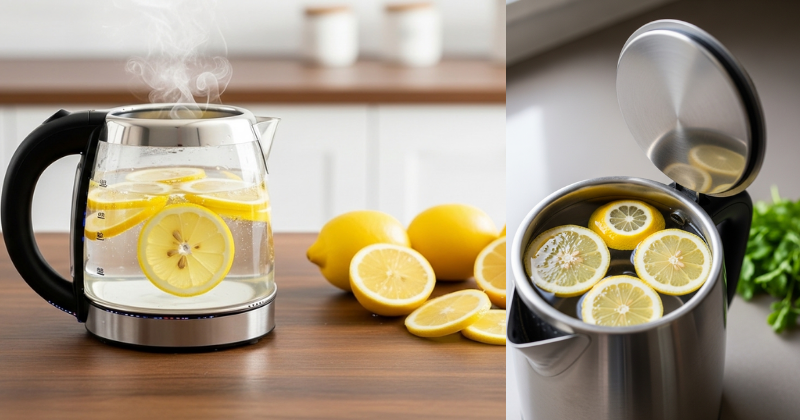
Learn how to clean your kettle naturally using just lemon slices and water. This DIY method removes stubborn limescale and kills bacteria for a fresh, sparkling kettle!
Have you ever peered into your electric kettle only to find a crusty, white, or chalky layer coating the bottom? That is limescale, and it’s the silent enemy of a perfect cup of tea. If you’ve been putting off cleaning it because you dread the smell of harsh chemical descalers or the lingering aftertaste of vinegar, you are in for a refreshing surprise.
Did you know you can clean your kettle naturally using just lemon slices and water? This simple, eco-friendly hack is a total game-changer for your kitchen routine. Not only does it strip away mineral buildup with ease, but it also sanitizes your appliance and leaves behind a crisp, citrusy aroma. By the end of this guide, you will unlock the secret to a sparkling clean kettle without spending a dime on specialized cleaners. Let’s transform your morning brew experience and achieve that “brand new” shine today!
Foundation: Why Lemons are a Cleaning Superfood
Before we jump into the process, let’s build some confidence in why this method is so effective. If you’ve ever used strange grandma tricks that still work today, you know that the simplest ingredients often yield the best results. The secret to the lemon’s power lies in its high concentration of citric acid.
Limescale is primarily composed of calcium carbonate, which is alkaline. When the citric acid from the lemon slices meets the alkaline limescale, a natural chemical reaction occurs that dissolves the minerals on contact. This allows you to “unlock” a clean surface without scrubbing. Furthermore, lemons possess natural antibacterial and antifungal properties, making them a dual-threat for both cleaning and sanitizing.
H3: Addressing Common Concerns
A common hesitation for many is whether the lemon will leave a sticky residue or if the scent will be too overpowering. Unlike vinegar—which can leave a pungent odor that takes several rinses to clear—lemon juice is a “clean” scent that dissipates quickly, leaving only freshness behind. It is safe for all types of kettles, including glass, stainless steel, and plastic.
H3: The Benefits of Going Natural
- Cost-Effective: You likely already have a lemon in your fruit bowl or a bottle of lemon juice in the fridge.
- Eco-Friendly: You aren’t pouring harsh synthetic chemicals down your drain or into the water system.
- Safety First: There is no risk of accidental ingestion of toxic residues, which is a major win for household safety.
- Aroma Therapy: Boiling lemons acts as a natural deodorizer for your entire kitchen!
Step-by-Step Process: The Ultimate Lemon Descale
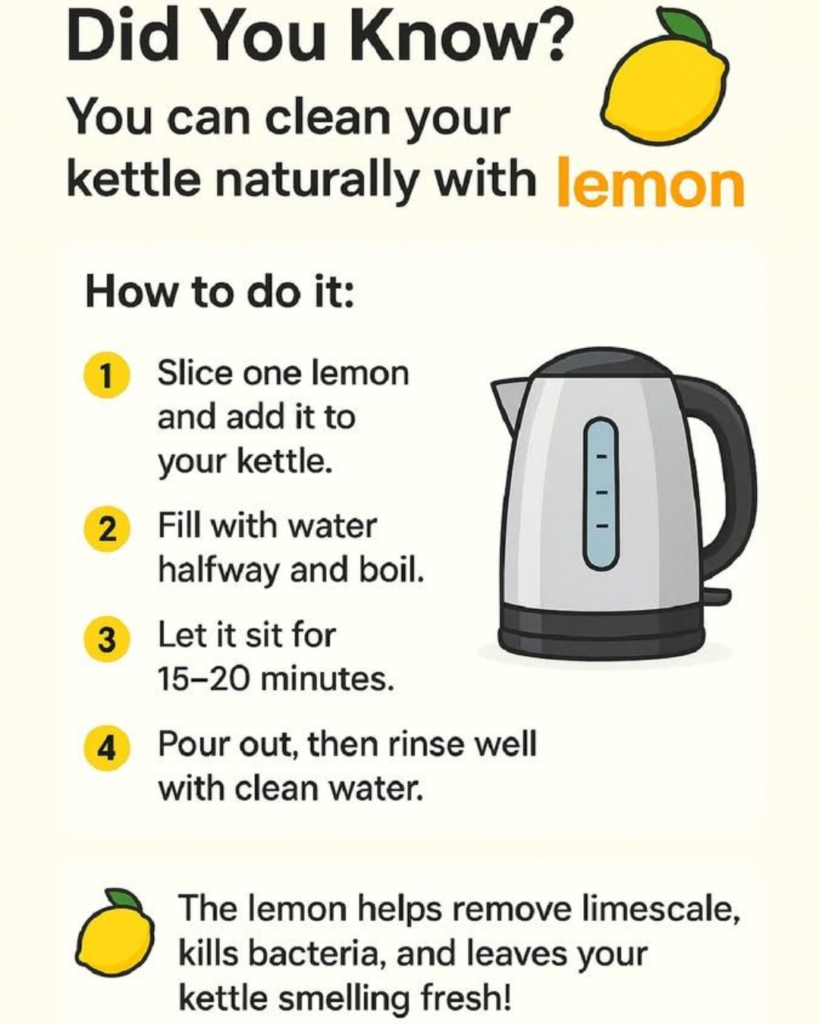
Cleaning your kettle with lemons is an incredibly achievable task that takes less than 15 minutes of active time. Follow these steps to ensure you get every bit of that limescale out on the first try.
Step 1: Slice and Prep
Take one large lemon and slice it into rounds or quarters. You don’t need to be precise! If you don’t have fresh lemons, you can use about half a cup of bottled lemon juice, though fresh slices provide a bit more “scrubbing” power from the rinds as they circulate.
Step 2: Fill and Boil
- Add Slices: Drop the lemon slices into the bottom of the kettle.
- Add Water: Fill the kettle about halfway with cold water, ensuring the water covers the areas where the limescale is most prominent.
- Boil: Switch the kettle on and let it come to a full boil.
Step 3: The Soak (The Secret Step)
Once the kettle clicks off, do not pour the water out immediately. This is where the magic happens. Let the hot lemon water sit in the kettle for at least 30 to 60 minutes. As the water cools slightly, the citric acid continues to eat away at the loosened mineral deposits. For very heavy buildup, you can even leave it to soak overnight.
Step 4: Rinse and Shine
Pour the lemon water out (you can actually pour this down your kitchen sink to help freshen your drain!). Rinse the inside of the kettle with fresh cold water 2-3 times. Use a soft cloth to wipe away any remaining loose flakes. You’ll find that the interior is now reflecting light like it’s brand new!
Advanced Strategies: Pro Tips for Stubborn Buildup
Sometimes a kettle has been neglected for months, and the limescale layer is particularly thick. In these cases, you can use expert-level variations to boost the cleaning power of your lemon slices.
H3: The “Double Boil” Method
For extreme cases, don’t pour the water out after the first boil. Instead, let it sit for 10 minutes, then boil it a second time with the same lemons. This extra heat cycle helps penetrate deep into the “crust” of the calcium deposits. It’s an efficient way to maximize the life of a single lemon.
H3: Adding a Salt “Scrub”
If you have a wide-neck kettle that allows you to reach inside, you can create a gentle abrasive paste using lemon juice and a bit of table salt. Apply this to the heating element or the base and let it sit for five minutes before starting the boiling process. This is similar to how you might use a Headache Balm to target specific points—it’s all about concentrated application!
H3: Preventive Maintenance
The best way to clean a kettle is to never let it get “dirty” in the first place. If you live in a “hard water” area, try to empty the kettle at the end of each day rather than leaving water to sit overnight. A quick weekly rinse with a few lemon slices will prevent that white film from ever becoming a hard crust.
Troubleshooting: Common Challenges and Solutions
Even with a foolproof method like this, you might run into a few obstacles. Here is how to handle them with ease.
- Problem: There are still small white spots left.
- Solution: This just means the limescale was thicker than expected. Repeat the process once more, but this time, add a tablespoon of citric acid powder or a splash more lemon juice to increase the acidity.
- Problem: My kettle has a weird “cooked lemon” smell.
- Solution: This happens if the lemons were boiled too many times. Simply boil one full kettle of plain water and discard it. The smell will vanish completely.
- Problem: The exterior of my kettle looks dull.
- Solution: While the water boils, use one of the discarded, warm lemon rinds to rub the exterior of your stainless steel kettle. Buff it with a dry microfiber cloth for an incredible streak-free shine.
Preventive Measures
Always check your kettle’s filter. Limescale often hides in the mesh filter near the spout. When you are soaking the kettle with lemon water, make sure the water level is high enough to submerge the filter, or pop the filter out and let it soak in a bowl of the hot lemon solution.
Maximizing Results: Beyond the Kettle
Once you’ve discovered the power of natural cleaning, you can apply these “Next Level” tips to other areas of your home. The satisfaction of a clean kettle often motivates people to tackle other eco-friendly projects, like learning how to make coffee logs without wax using egg cartons or creating their own non-toxic cleaners.
Complementary Strategies
- Faucets and Showerheads: If your kettle has limescale, your faucets likely do too. Rub a lemon half over your taps to remove water spots instantly.
- Cutting Boards: Use the leftover lemon slices from your kettle cleaning to scrub your wooden cutting boards. It kills bacteria and removes food odors.
- Microwave Steam: Place a bowl of lemon water in your microwave and “cook” it for 3 minutes. The steam will loosen stuck-on food, allowing you to wipe it clean effortlessly.
Conclusion: A Fresh Start for Your Kitchen
You have now mastered the art of cleaning your kettle naturally! By choosing lemon slices and water over harsh chemicals, you are protecting your health, saving money, and extending the life of your favorite appliance.
The transformation from a scale-covered kettle to a sparkling, fresh-smelling one is a small but powerful win in your daily life. It proves that you don’t need a cupboard full of expensive products to maintain a beautiful, functional home. So, next time you see those white spots appearing, don’t stress—just reach for a lemon and let nature do the work for you. You’ve got this!