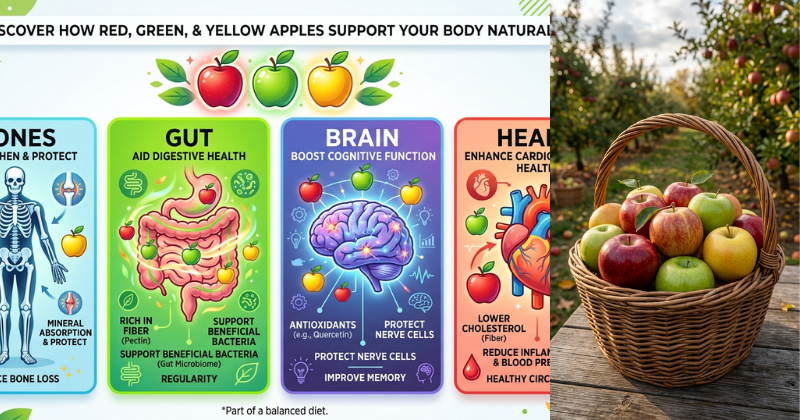
Discover how red, green, and yellow apples support your bones, gut, brain, and heart health naturally. Unlock the healing power of this superfruit today!
Have you ever wondered if that simple snack in your lunchbox is actually a nutritional powerhouse? We have all heard the old saying about an apple a day, but modern science is finally revealing just how deep those benefits go. From the vibrant ruby skin of a Fuji to the tart snap of a Granny Smith, these fruits are packed with phytonutrients that do much more than just keep the doctor away. When you discover how red, green, and yellow apples support your bones, gut, brain, and heart health naturally, you stop seeing them as just a snack and start seeing them as a delicious form of self-care.
In this comprehensive guide, we will explore the unique color-coded benefits of different apple varieties. You will learn how the specific antioxidants in each peel can protect your cardiovascular system, strengthen your skeletal structure, and even sharpen your cognitive focus. Whether you are a fitness enthusiast or simply looking for sustainable lifestyle changes, these insights will empower you to make the most of every bite. Get ready to transform your health with the simple, crunchy power of nature’s most iconic fruit. You have the capability to nourish your way to a more vibrant life, and it all starts in the produce aisle!
Foundation: The Nutritional Color Code of Apples
To build confidence in your nutritional choices, it is important to understand that not all apples are created equal. While all apples provide fiber and Vitamin C, their different colors signal the presence of specific phytonutrients that target different areas of your body.
Why Color Matters for Your Wellness
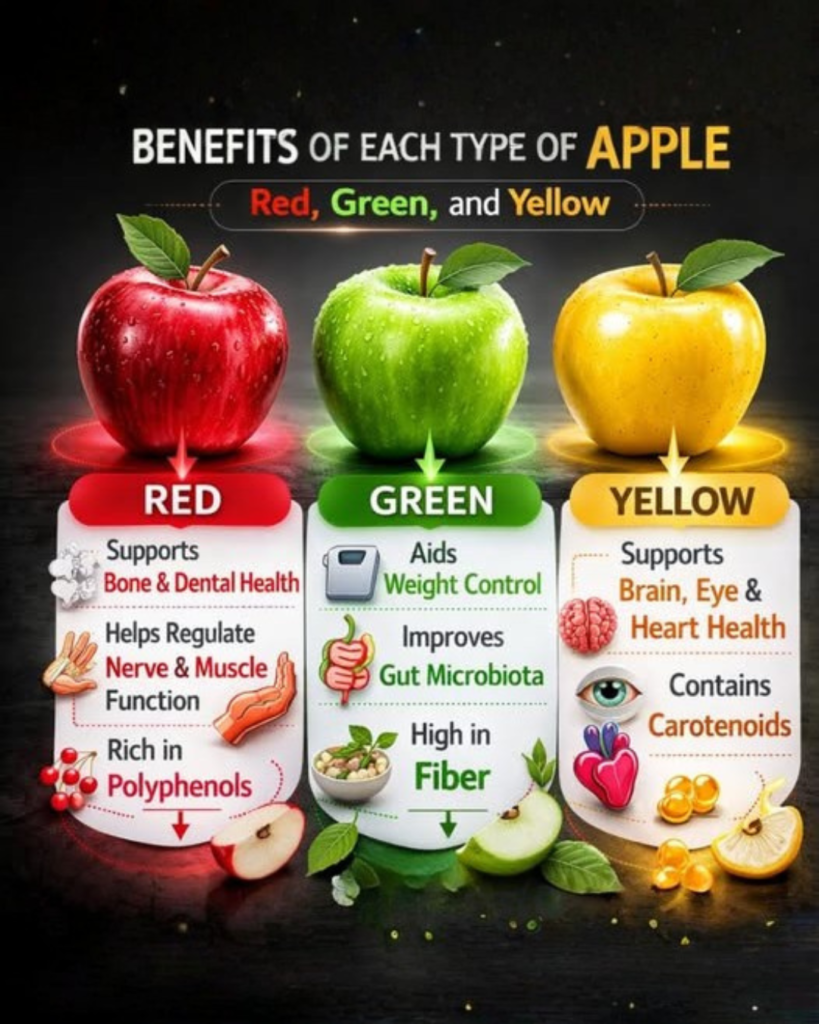
The pigments that give apples their beautiful hues are actually antioxidants called flavonoids. Red apples are typically higher in anthocyanins, which are famous for their heart-protective qualities. Green apples often contain more malic acid, which aids digestion, and yellow apples are frequently rich in carotenoids that support eye and immune health. By eating a variety of colors, you ensure your body receives a full spectrum of protection.
Addressing Common Hesitations
Some people worry about the sugar content in fruit or whether they should peel their apples. It is natural to have these concerns! However, the fiber in apples—specifically a soluble fiber called pectin—slows down the absorption of sugar, preventing insulin spikes. As for the peel, that is where nearly 50% of the fiber and the majority of the antioxidants live. Keeping the skin on is the best way to achieve maximum health benefits.
Key Components for Bone and Gut Health
- Pectin: A prebiotic fiber that feeds the “good” bacteria in your gut.
- Boron: A trace mineral found in apples that is essential for bone density.
- Quercetin: An anti-inflammatory compound that protects brain cells and reduces arterial stiffness.
Core Benefits: Supporting Your Vital Systems
Let’s break down the specific ways this fruit works for you. When you understand the “why,” it becomes much easier to stay motivated with your healthy habits.
Gut Health and Digestion
How do apples improve gut health naturally?
Apples are one of the best sources of pectin, a unique fiber that acts as a prebiotic. This means it doesn’t just push waste through; it actually feeds the beneficial microbes in your microbiome. A healthy gut is the foundation of a strong immune system and even a better mood. If you have been exploring [Natural Digestive Detox Drinks for Better Gut Health], adding a whole apple to your daily routine is the perfect solid-food complement.
Heart Health and Circulation
The soluble fiber in apples helps lower “bad” LDL cholesterol by binding to fats in the digestive tract and carrying them out of the body. Furthermore, the polyphenols in the skin have been shown to lower blood pressure, making apples a true friend to your heart.
Brain Power and Cognitive Protection
Quercetin, found abundantly in red apples, helps protect neurons from oxidative damage. Research suggests that regular apple consumption may reduce the risk of neurodegenerative issues by keeping the brain’s “wiring” clean and resilient.
Bone Density and Strength
Apples contain phloridzin, a flavonoid that may protect postmenopausal women from bone loss. Combined with the bone-building mineral boron, apples are a sweet way to unlock stronger bones as you age.
Step-by-Step: How to Maximize Your Apple Intake
Transforming your health shouldn’t feel like a chore. Use these actionable steps to integrate more apples into your life in ways that are both delicious and effective.
1. The “Wash and Keep” Method
Don’t hide your apples in the crisper drawer where they are easily forgotten.
- The Process: Wash a week’s worth of apples in a mixture of water and a splash of vinegar to remove wax and residue.
- The Setup: Place them in a beautiful bowl on your counter. You are much more likely to grab one when they are visible and ready to eat.
2. Strategic Pairing for Nutrient Absorption
Pairing your apple with a healthy fat can actually help your body absorb the fat-soluble vitamins and antioxidants.
- The Snack: Slice a green apple and pair it with a tablespoon of almond butter or a few walnuts.
- The Benefit: This combination keeps you full longer and stabilizes blood sugar. If you’re looking for [Healthy Night Snacks for Weight Loss & Relaxation], this is a perfect, low-calorie option that won’t disrupt your sleep.
3. Mixing Your Colors
Don’t get stuck in a “Gala” rut!
- The Strategy: Buy one of each color—red, green, and yellow—every time you shop. Use the tart green ones in salads and the sweeter red and yellow ones for snacking. This ensures a “semantic richness” of nutrients for your body.
Troubleshooting: Common Challenges with Apple Consumption
Even with the best intentions, you might run into a few obstacles. Here is how to handle frequent concerns with practical, encouraging solutions.
“Apples make my stomach feel bloated.”
- The Solution: This is often due to the high fiber content if your body isn’t used to it. Try slicing the apple and eating it slowly throughout the hour, or lightly steaming them with cinnamon. Steaming breaks down the cellulose, making them easier to digest while you transition to a higher-fiber diet.
“I’m worried about pesticides on the skin.”
- The Solution: If your budget allows, choose organic for the “Dirty Dozen” list. If not, don’t skip the apple! A thorough wash with a baking soda and water solution removes the vast majority of surface residues. The benefits of the peel far outweigh the risks of trace residues for most people.
“I find them boring to eat every day.”
- The Encouragement: Get creative! Add diced apples to your morning oatmeal, or use them as a “scoop” for chicken salad. If you enjoy DIY projects like making a [Homemade Lemon and Lilac Sugar Scrub], think of apple prep as “kitchen DIY.” You can even dehydrate them for a crunchy, chip-like texture.
Advanced Strategies: Pro Tips for Apple Lovers
Once you have the basics down, you can elevate your approach by looking at the “next level” of apple wellness.
Seasonal and Regional Sourcing
Apples are at their peak nutritional value when they haven’t spent months in cold storage. Try to shop at local farmer’s markets in the autumn. Heirloom varieties often have even higher concentrations of polyphenols than the mass-produced ones found in big-box stores.
Apple Cider Vinegar and Fermentation
While whole fruit is best for fiber, fermented apple products have their own set of pros. Raw apple cider vinegar with “the mother” can improve insulin sensitivity. It’s a great addition to the [Natural Digestive Detox Drinks for Better Gut Health] we discussed earlier.
Synergistic Wellness
Combine your apple intake with other heart-healthy habits. For example, the potassium in apples works beautifully with the relaxing effects of [DIY Bath Bombs] after a long day. When you nourish your body and soothe your mind simultaneously, you achieve a state of total wellness that is sustainable for the long term.
Conclusion
When you discover how red, green, and yellow apples support your bones, gut, brain, and heart health naturally, you realize that nature has already provided the ultimate multivitamin. You now have the knowledge to choose your apple based on your specific health goals—whether it’s the heart-healthy red, the gut-friendly green, or the immune-boosting yellow. By keeping the skin on and pairing your fruit with healthy fats, you are taking a simple but profound step toward a healthier version of yourself.
You have the capability to succeed in this lifestyle shift. It isn’t about perfection; it is about making better choices one crunch at a time. So, the next time you are at the market, grab a variety of colors and remind yourself that you are investing in your future. Your body will thank you for the nourishment!
Would you like me to create a 7-day “Apple-a-Day” recipe challenge featuring different varieties and pairings?
Important Disclaimer: This article is for informational purposes only and should not replace professional advice. For health-related topics, consult healthcare providers. For financial or legal matters, seek qualified professional guidance. For safety procedures, verify current best practices and local regulations. Individual results may vary, and personal circumstances should always be considered when implementing any suggestions.