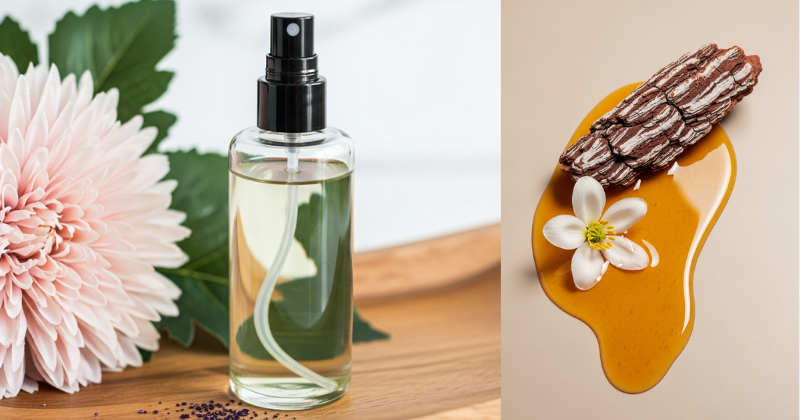
Discover the science-backed synergy of jasmine and aloe vera in a luxurious homemade hydrating formula that transforms skincare through botanical precision and evidence-based formulation principles.
The convergence of traditional botanical knowledge and contemporary dermatological research reveals extraordinary potential in natural skincare formulations. Creating a homemade hydrating jasmine and aloe vera treatment represents more than simple DIY cosmetics—it embodies a sophisticated understanding of phytochemical interactions, dermal penetration mechanisms, and the bioactive compounds that optimize skin hydration at the cellular level. This comprehensive exploration demystifies the formulation process while honoring the scientific complexity underlying these remarkable botanical ingredients. Whether you seek to address transepidermal water loss, enhance skin barrier function, or simply experience the therapeutic ritual of creating personalized skincare, this guide provides the theoretical foundation and practical methodology necessary for success.

The Biochemical Foundation: Understanding Your Botanical Allies
Before embarking on formulation, comprehending the molecular architecture and physiological mechanisms of jasmine and aloe vera illuminates their synergistic potential.
Aloe Vera: Molecular Hydration Architecture
Aloe barbadensis miller contains over seventy-five bioactive compounds, including polysaccharides, glycoproteins, anthraquinones, and enzymes that collectively orchestrate dermal hydration. The primary hydrating agent, acemannan—a long-chain polysaccharide—demonstrates remarkable water-binding capacity, creating a moisture reservoir within the stratum corneum. Research published in dermatological journals indicates that aloe vera gel increases skin hydration by approximately 25% when applied topically, primarily through humectant activity that attracts atmospheric moisture to the epidermis.
The gel’s molecular composition includes amino acids essential for collagen synthesis, vitamins C and E providing antioxidant protection against oxidative stress, and salicylic acid offering gentle exfoliation that enhances ingredient penetration. The pH of fresh aloe vera gel ranges between 4.5 and 5.5, closely approximating the skin’s natural acid mantle, thereby supporting barrier integrity rather than disrupting it.
Jasmine: Aromatic Compounds with Dermatological Merit
Jasminum species produce complex volatile compounds including benzyl acetate, linalool, and indole derivatives that extend beyond olfactory appeal into measurable physiological effects. While jasmine’s primary reputation centers on aromatherapeutic applications, emerging research suggests its essential oil constituents possess mild antimicrobial properties and may influence sebum production regulation. The aromatic molecules in jasmine demonstrate lipophilic characteristics, allowing penetration through the stratum corneum’s lipid matrix.
Jasmine absolute contains antioxidant compounds that neutralize free radicals—unstable molecules that accelerate cellular aging through oxidative damage. Additionally, the aromatherapeutic dimension merits scientific consideration; olfactory stimulation via jasmine fragrance has been associated with reduced cortisol levels in controlled studies, suggesting stress-modulation properties that indirectly benefit skin health through the documented skin-brain axis.
Synergistic Mechanisms: Why This Combination Works
The pairing of aloe vera’s hydrophilic polysaccharides with jasmine’s lipophilic aromatic compounds creates a formula that addresses both aqueous and lipid phases of the skin barrier. This dual-phase approach optimizes hydration across the epidermis’s complex architecture, where water-based and oil-based components must coexist in precise balance. The combination exemplifies intelligent formulation design that respects dermatological complexity rather than oversimplifying skincare chemistry.
Formulation Protocol: Evidence-Based Preparation Methods
Translating botanical potential into effective skincare requires methodical preparation that preserves bioactive integrity while ensuring stability and safety.
Essential Materials and Quality Considerations
Primary Ingredients:
- Fresh aloe vera gel (extracted from mature leaves, minimum 3 years growth)
- Jasmine essential oil or jasmine absolute (therapeutic grade, Jasminum officinale or Jasminum sambac)
- Optional: Vegetable glycerin (humectant enhancement)
- Optional: Vitamin E oil (antioxidant preservation)
Equipment Requirements:
- Sterile glass mixing bowl
- Non-reactive stainless steel spoon
- Dark glass storage bottles (UV protection)
- Fine mesh strainer or cheesecloth
- Precision dropper for essential oil measurement
Quality parameters prove crucial for formulation success. Select aloe vera leaves demonstrating plump, unblemished appearance with no discoloration or desiccation. For jasmine, verify botanical species and extraction method—absolute provides more concentrated aromatic compounds than hydrosol, though both offer valid applications depending on desired intensity. Organic certification, while not absolutely necessary, often correlates with reduced pesticide residues and superior phytochemical profiles.
Step-by-Step Formulation Methodology
Phase 1: Aloe Vera Gel Extraction
Begin by harvesting a mature aloe vera leaf, approximately 12-18 inches in length. Wash thoroughly under cool water, then position vertically in a container for 10-15 minutes, allowing the yellow latex (aloin) to drain from the cut end. This step proves essential; aloin possesses irritant properties that can trigger dermal sensitivity reactions.
After drainage, remove the serrated edges with a sharp knife, then carefully separate the thick outer epidermis from the translucent inner gel. The resulting gel should appear clear to slightly cloudy, with mucilaginous consistency. Transfer to your mixing bowl, utilizing approximately 1/4 cup (60 ml) as your base quantity. If fibrous material remains, strain through cheesecloth to achieve smooth texture.
Phase 2: Jasmine Integration
Essential oil concentration requires precise measurement due to potency. For facial applications, maintain dilution between 0.5-1%, translating to approximately 3-6 drops of jasmine essential oil per 1/4 cup of aloe gel. For body applications, concentrations may increase to 1-2% (6-12 drops). This conservative approach respects dermal tolerance thresholds while providing therapeutic aromatic benefits.
Add jasmine oil dropwise to the aloe gel, whisking continuously to encourage emulsification. The hydrophobic essential oil will not fully dissolve into the hydrophilic gel but rather form microscopic dispersions throughout the medium. Vigorous mixing for 2-3 minutes promotes more uniform distribution.
Phase 3: Enhancement and Preservation
For extended hydration, incorporate 1 teaspoon of vegetable glycerin, a trihydric alcohol that functions as humectant, drawing moisture from deeper dermal layers and the atmosphere. Add 1-2 drops of vitamin E oil (tocopherol) as a natural preservative extending shelf life by inhibiting oxidation reactions that degrade bioactive compounds.
Storage and Stability Parameters
Transfer your formulation to sterilized dark glass bottles, minimizing air space to reduce oxidative exposure. Refrigerate immediately; without synthetic preservatives, this preparation maintains optimal stability for 7-10 days when stored at 35-40°F (2-4°C). The cold temperature inhibits microbial proliferation while preserving heat-sensitive compounds like vitamins and enzymes.
Advanced Formulation Strategies: Customization and Optimization
Once comfortable with basic preparation, explore sophisticated modifications that address specific dermatological objectives.
pH Adjustment and Buffering
While fresh aloe vera typically presents favorable pH, monitoring and adjustment optimize skin compatibility. Utilize pH test strips (range 4-6) to verify your formulation falls within the skin’s natural acid mantle parameters. If pH exceeds 5.5, add minute quantities of citric acid dissolved in distilled water, testing incrementally. This buffering prevents alkalinity that could compromise barrier function.
Targeted Botanical Synergists
Expand therapeutic potential through complementary botanical additions. For enhanced antioxidant activity, incorporate green tea extract (polyphenol-rich catechins) at 2-3% concentration. For additional soothing properties, add chamomile hydrosol or calendula extract, both demonstrating anti-inflammatory mechanisms relevant to sensitive or reactive skin. Each addition requires stability testing—introduce new components individually to identify any incompatibilities.
Texture Modification Techniques
The native gel consistency may be adjusted for personal preference or application method. For lighter texture suitable for oily skin types, blend your formulation with rose water or witch hazel hydrosol in 1:1 ratio, creating a more fluid consistency while introducing additional astringent properties. For richer formulations appropriate for mature or dehydrated skin, incorporate small quantities of plant oils (jojoba, rosehip, or argan) at 5-10% concentration, creating an emulsion-like texture.
Aromatic Complexity and Therapeutic Enhancement
While jasmine provides the aromatic foundation, consider complementary essential oils that enhance both fragrance profile and therapeutic properties. Lavender oil (Lavandula angustifolia) contributes additional calming effects and mild antimicrobial activity. Frankincense (Boswellia serrata) offers anti-aging properties through mechanisms that may support cellular regeneration. Maintain total essential oil concentration within safe parameters (maximum 2% for facial applications, 3% for body applications).
Application Protocols and Evidence-Based Usage
Optimal results require understanding not merely what to apply, but how, when, and in what context within comprehensive skincare regimens.
Dermal Application Methodology
Cleanse skin thoroughly before application, ensuring removal of sebum, environmental pollutants, and residual cosmetic products that could impede absorption. Apply your jasmine-aloe preparation to slightly damp skin—moisture facilitates ingredient penetration through temporary hydration of the stratum corneum, creating pathways for bioactive compounds.
Utilize approximately 1-2 teaspoons for facial application, distributing evenly using gentle upward motions that follow lymphatic drainage patterns. For body applications, increase quantity proportionally, focusing on areas prone to dehydration including elbows, knees, and extremities. Allow 5-10 minutes for initial absorption before applying additional skincare products or cosmetics.
Frequency and Integration Strategies
For maintenance hydration, apply once daily, preferably evening applications that allow overnight penetration without environmental interference. For intensive hydration therapy addressing significant transepidermal water loss, increase to twice-daily applications for 2-3 weeks, then transition to maintenance frequency. This graduated approach maximizes initial impact while preventing potential over-hydration that could paradoxically weaken barrier function.
Integrate your jasmine-aloe treatment as a serum step within layered skincare protocols—after cleansing and toning, before heavier moisturizers or facial oils. This sequencing respects the dermatological principle of applying products in order of increasing molecular size and decreasing water content.
Seasonal Adaptations
Environmental conditions significantly influence optimal formulation and application. During winter months or in arid climates, enhance your formula with increased glycerin content or follow with occlusive layers (plant butters or balms) that prevent moisture evaporation. Summer applications may benefit from lighter formulations with higher water content, possibly incorporating cooling botanical infusions like cucumber or peppermint.
Troubleshooting and Safety Considerations
Even meticulously prepared formulations may present challenges requiring systematic problem-solving approaches.
Addressing Sensitivities and Adverse Reactions
Despite aloe vera and jasmine’s generally favorable safety profiles, individual variability in dermal reactivity necessitates patch testing protocols. Apply small quantities to the inner forearm, monitoring for 24-48 hours before facial application. Observe for erythema, pruritus, or other hypersensitivity indicators. If reactions occur, reduce essential oil concentration or discontinue jasmine component, as aromatic compounds more frequently trigger sensitivities than aloe polysaccharides.
Some individuals demonstrate latex cross-reactivity with aloe vera, manifesting as contact dermatitis. This relatively uncommon phenomenon typically correlates with known latex allergies. Alternative hydrating bases include hyaluronic acid serums or plant-derived mucilages from marshmallow root or flax seed.
Stability Issues and Quality Degradation
If your formulation develops unusual odors, color changes, or texture modifications, microbial contamination or oxidative degradation has likely occurred. Discard immediately—compromised products may harbor bacterial populations or oxidized compounds with pro-inflammatory potential. Prevent these issues through rigorous hygiene practices, sterile equipment, refrigerated storage, and realistic timeline expectations for natural, preservative-free formulations.
Separation between aqueous and oil phases indicates emulsification failure, common in simple formulations without emulsifying agents. While separation doesn’t necessarily indicate safety concerns, shake vigorously before each application to redistribute components. For more stable emulsions, investigate natural emulsifiers including lecithin or plant waxes, though these additions increase formulation complexity.
Maximizing Long-Term Benefits: Holistic Hydration Strategies
Topical treatments represent one component within comprehensive approaches to optimal skin hydration and health.
Internal Hydration and Nutritional Support
Dermal hydration fundamentally depends on systemic water balance and nutritional status. Adequate fluid intake—typically 2-3 liters daily depending on activity level and climate—provides the aqueous foundation for all hydration efforts. Essential fatty acids from dietary sources including fish, nuts, and seeds support lipid barrier integrity that retains topically applied hydration.
Micronutrients including vitamins A, C, and E, zinc, and selenium contribute to skin structural integrity and barrier function through various biochemical pathways. While topical application delivers these compounds directly to target tissues, systemic adequacy through balanced nutrition creates the metabolic foundation for healthy skin regardless of external treatments.
Environmental Protection Strategies
External aggressors including UV radiation, pollution particulates, and harsh weather conditions compromise skin barrier function and accelerate moisture loss. Complement your jasmine-aloe hydration treatment with broad-spectrum sun protection (minimum SPF 30), antioxidant serums that neutralize environmental oxidants, and protective barriers during extreme weather exposure.
Indoor environmental factors merit equal consideration. Central heating and air conditioning dramatically reduce ambient humidity, accelerating transepidermal water loss. Consider humidifiers in living and sleeping spaces, particularly during winter months, to maintain 40-50% relative humidity that supports natural hydration processes.
Monitoring Progress and Adjusting Protocols
Maintain a skincare journal documenting formulation variations, application frequency, and subjective assessments of hydration levels, texture, and overall skin appearance. This systematic approach reveals patterns and correlations that guide optimization. Consider periodic skin analysis—either professional assessments or consumer devices measuring hydration levels—to obtain objective data supplementing subjective impressions.
Conclusion
Creating homemade hydrating jasmine and aloe vera treatments represents an elegant intersection of botanical science, dermatological principles, and personal self-care ritual. This formulation approach honors the biochemical complexity of skin hydration while remaining accessible to individuals without formal cosmetic chemistry training. The synergy between aloe vera’s polysaccharide hydration mechanisms and jasmine’s aromatic therapeutic compounds offers genuine dermatological benefits supported by scientific literature, not merely anecdotal tradition. Your successful implementation requires attention to ingredient quality, formulation methodology, storage parameters, and application protocols detailed throughout this guide. Beyond immediate hydration benefits, this practice cultivates deeper understanding of skin physiology, botanical chemistry, and the sophisticated simplicity possible when working directly with nature’s molecular architecture. Begin your formulation journey with realistic expectations, systematic methodology, and appreciation for both the art and science of botanical skincare. Your skin’s transformation awaits this evidence-based, personally crafted hydration solution.
Important Disclaimer: This article is for informational purposes only and should not replace professional advice. For health-related topics, consult healthcare providers. Individual results may vary, and personal circumstances should always be considered when implementing any suggestions. Always perform patch testing before applying new skincare formulations. If you have known skin conditions, allergies, or sensitivities, consult a dermatologist before using homemade skincare products.