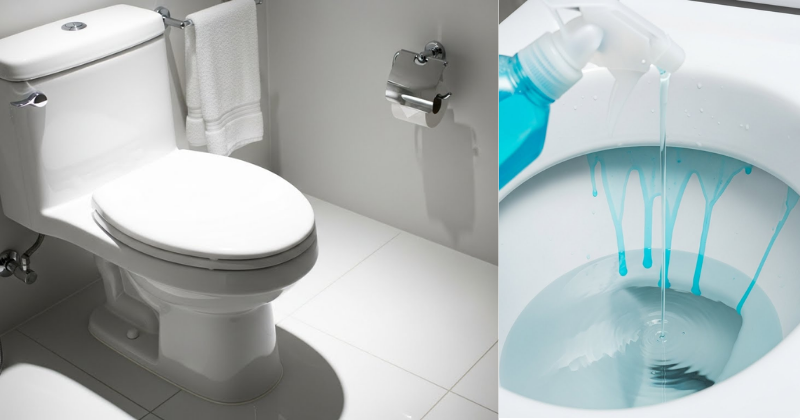
Learn how to make a DIY non-toxic toilet cleaner using natural ingredients like baking soda and vinegar to keep your bathroom sparkling and safe for your home.
Have you ever scrubbed your bathroom only to end up with a scratchy throat or a lingering chemical headache? You are not alone. Many traditional household cleaners are packed with harsh bleach, synthetic fragrances, and corrosive acids that can irritate your lungs and the environment. If you are ready to ditch the toxic fumes for a fresher, healthier home, learning to make a DIY non-toxic toilet cleaner is one of the most rewarding steps you can take. It is surprisingly simple, incredibly cost-effective, and—most importantly—it actually works.
In this comprehensive guide, you will discover how common pantry staples can transform into a powerful cleaning duo. We will walk through the science of natural disinfection, provide a foolproof step-by-step recipe, and share expert tips for tackling even the most stubborn hard water stains. By the end of this article, you will feel empowered to maintain a sparkling bathroom without compromising your well-being. Get ready to unlock a cleaner, greener way to manage your home!

Foundation: Why Switch to a DIY Non-Toxic Toilet Cleaner?
Building confidence in your cleaning routine starts with understanding what goes into your products. When you choose a DIY non-toxic toilet cleaner, you aren’t just saving money; you are taking control of your indoor air quality. Many people hesitate to switch because they fear natural ingredients won’t be “strong” enough to kill germs, but nature has provided us with some of the most effective disinfectants available.
The Power of Natural Chemistry
The secret to a successful natural clean lies in the reaction between a base and an acid.
- Baking Soda (Sodium Bicarbonate): This is a mild alkali that acts as a gentle abrasive. it is fantastic for lifting surface stains and neutralizing acidic odors.
- Distilled White Vinegar: This mild acid is a powerhouse at breaking down mineral deposits, limescale, and soap scum.
- Essential Oils: Beyond just smelling great, oils like tea tree, lemon, and eucalyptus have natural antimicrobial and antifungal properties.
Addressing Common Concerns
A frequent question is: Can a natural cleaner really handle bacteria? While a DIY non-toxic toilet cleaner may not have the industrial “kill-everything” power of bleach, regular cleaning with vinegar and essential oils creates an environment where harmful bacteria struggle to survive. For standard residential use, these ingredients provide more than enough hygiene to keep your family safe while avoiding the respiratory risks associated with chlorine gas.
Essential Tools for Your Green Cleaning Kit
To get started, you don’t need fancy equipment. You likely already have these items in your cabinet:
- A glass spray bottle (essential oils can degrade plastic over time).
- A sturdy toilet brush.
- Measuring cups and spoons.
- A reusable glass jar for storing “toilet bombs” or powder mixes.
Step-by-Step: Crafting Your Natural Cleaning Solutions
Ready to transform your bathroom? We have broken down the process into two core methods: a daily spray and a deep-cleaning fizzing powder. These achievable steps will ensure your toilet stays white and bright with minimal effort.
Method 1: The “Fizz and Scrub” Powder
This is the perfect weekly deep cleaner. It uses a chemical reaction to lift grime directly from the porcelain.
- Measure: Pour 1/2 cup of baking soda directly into the toilet bowl.
- Scent: Add 10 drops of Tea Tree or Lemon essential oil onto the powder.
- Activate: Pour 1/2 cup of white vinegar over the baking soda. It will begin to fizz vigorously—this is the “action” that loosens debris!
- Wait: Let it sit for 10–15 minutes. This gives the acid time to break down minerals.
- Scrub: Use your toilet brush to scrub the bowl, reaching under the rim.
- Flush: Reveal your sparkling, fresh-smelling results.
Method 2: The Daily Maintenance Spray
For quick touch-ups on the seat, handle, and exterior, this spray is a lifesaver.
- Mix: Combine 1 cup of water and 1 cup of white vinegar in a spray bottle.
- Boost: Add 15 drops of eucalyptus or lavender essential oil.
- Apply: Spray the exterior surfaces of the toilet.
- Wipe: Use a microfiber cloth to wipe away dust and germs. Unlike bleach, this is safe to touch with your bare hands.
Advanced Strategies: Pro Tips for Stubborn Stains
Once you’ve mastered the basic DIY non-toxic toilet cleaner, you can level up your strategy to handle more difficult bathroom challenges. Share these expert-level insights to help others achieve a “pro” clean naturally.
Dealing with Hard Water and Rust
If you live in an area with high mineral content, you might see “ring around the toilet.” Baking soda might not be enough here.
- The Citric Acid Solution: Citric acid is a stronger natural acid found in citrus fruits. Mixing 2 tablespoons of citric acid with baking soda creates a much more powerful fizzing action that eats away at calcium and rust.
- The Pumice Trick: For stains that seem permanent, use a wet pumice stone. Always ensure the stone and the porcelain are wet to avoid scratching, and gently “erase” the stain.
The “Toilet Bomb” Variation
For the ultimate convenience, you can make “toilet bombs.” Mix 1 cup of baking soda with 1/4 cup of citric acid and a few spritzes of water (just enough to make it feel like damp sand). Press the mixture into a silicone mold and let it dry overnight. Drop one in whenever you need a quick refresh—it’s a self-cleaning miracle!
Custom Scent Profiles
Don’t be afraid to experiment with your essential oils. While lemon is the classic “clean” smell, a blend of peppermint and tea tree offers a cooling, medicinal freshness that is perfect for guest bathrooms.
Troubleshooting Common DIY Challenges
Even with natural cleaning, obstacles can arise. Addressing these with alternative approaches will keep you motivated and successful in your non-toxic journey.
“The Vinegar Smell is Too Strong”
Some people find the scent of vinegar overwhelming.
- The Fix: You can “infuse” your vinegar. Place citrus peels (orange or grapefruit) in a jar of vinegar for two weeks before using it in your DIY non-toxic toilet cleaner. The peels release limonene, a natural degreaser, and make the vinegar smell like a fruit orchard.
The Mixture Isn’t Fizzing
If you don’t get that satisfying “volcano” effect, your baking soda might be old.
- Prevention: Baking soda loses its potency over time. Test a small amount with a drop of vinegar; if it doesn’t bubble immediately, it’s time for a fresh box.
Stubborn Under-the-Rim Grime
The rim is the hardest place to reach.
- The Solution: Soak paper towels in straight white vinegar and tuck them under the rim of the toilet. Let them sit for an hour. This keeps the acid in direct contact with the stains for a longer period, making them much easier to scrub away later.
Maximizing Results: Next Level Bathroom Maintenance
To build upon your success, consider the long-term health of your bathroom ecosystem. A DIY non-toxic toilet cleaner is just one part of a sustainable lifestyle.
Maintaining Your Tools
A dirty toilet brush can reintroduce bacteria to a clean bowl. After cleaning, prop the brush handle between the seat and the bowl so the bristles hang over the water. Spray it with your vinegar-based disinfectant and let it air dry completely before putting it back in the holder.
Air Quality and Ventilation
Natural cleaners work best when supported by good airflow. If your bathroom has a window, crack it open for five minutes after cleaning. If not, ensure your exhaust fan is clear of dust. This helps moisture escape, preventing the mold and mildew that make frequent deep-cleaning necessary.
Complementary Strategies
Consider matching your toilet cleaner with other DIY projects. You might enjoy making a [natural lavender room spray] or an [organic candle with essential oils] to create a full spa-like atmosphere. When your entire cleaning caddy is non-toxic, the chore of cleaning becomes a much more pleasant, wellness-focused experience.
Conclusion
Switching to a DIY non-toxic toilet cleaner is an empowering choice that benefits your health, your wallet, and the planet. By using the simple power of baking soda, vinegar, and essential oils, you have discovered that you don’t need harsh chemicals to achieve a professional-level shine. You have the capability to transform your home into a sanctuary of safety and freshness.
Remember, the journey to a non-toxic home is about progress, not perfection. Start with this one recipe, observe the transformation in your bathroom’s air quality, and enjoy the satisfaction of a job well done. You’ve got this!