Discover how everyday clothing choices may subtly influence your hormones, metabolic health, and overall well-being. Simple wardrobe adjustments could improve balance naturally.
Have you ever stopped to consider that your clothing might be affecting more than just your appearance? Beyond fashion and comfort, emerging research suggests that the fabrics, fit, and even frequency of clothing choices can influence hormone regulation. From synthetic materials to tight waistbands, subtle environmental exposures through our garments may play a role in metabolic health, reproductive function, and stress responses. This article explores the science behind how everyday clothing may impact your hormonal balance and provides practical strategies for making choices that support long-term wellness.
Section 1: What Are Hormones and Why Do They Matter?
Hormones are chemical messengers secreted by glands such as the thyroid, adrenal glands, pancreas, and ovaries or testes. They regulate nearly every bodily process, including metabolism, stress response, growth, and reproduction. Maintaining hormonal balance is essential for energy, mood stability, cognitive function, and overall health.
H3: How Clothing Intersects With Hormonal Health
The link between clothing and hormones lies primarily in exposure to endocrine-disrupting chemicals (EDCs), thermal regulation, and physical pressure on tissues. Certain synthetic fibers may release chemicals that interact with estrogen, testosterone, or cortisol pathways, while tight garments can interfere with circulation and nerve signaling, indirectly affecting endocrine function.
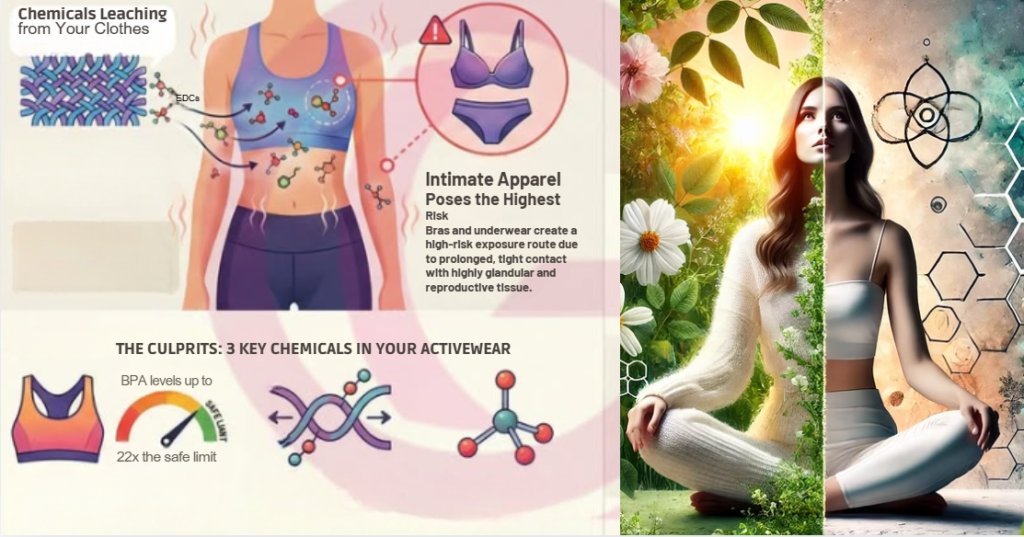
Section 2: Which Chemicals in Clothing Influence Hormones?
Many modern fabrics are treated with chemicals for durability, stain resistance, or wrinkle reduction. Some of these compounds are known or suspected endocrine disruptors.
- Phthalates and Plasticizers: Often present in PVC-based prints or coatings, these can mimic estrogen in the body.
- Perfluorinated Compounds (PFCs): Found in water-resistant treatments, associated with altered thyroid function.
- Nonylphenol and Alkylphenol Ethoxylates: Used in textile processing; may interfere with reproductive hormones.
Evidence: Studies show that repeated skin contact with treated fabrics can result in low-level absorption of these compounds, contributing to subtle endocrine changes over time.
Section 3: How Does Tight Clothing Affect Hormones?
Clothing that compresses the body—such as tight waistbands, corsets, or compression leggings—may have physiological effects beyond discomfort.
- Circulatory Impact: Chronic pressure can impair microcirculation, potentially affecting hormone delivery and metabolite clearance.
- Stress Response Activation: Persistent discomfort can elevate cortisol, the stress hormone, influencing glucose metabolism and immune function.
- Reproductive Hormones: Evidence suggests prolonged compression around the abdominal or pelvic regions may disrupt local endocrine signaling, influencing menstrual regularity in some women.
Section 4: Are Synthetic Fabrics Risky?
Many fast-fashion garments are made from polyester, nylon, or acrylic fibers, which may contribute to hormone disruption through chemical additives.
H3: Breathability and Heat Retention
Synthetic fabrics often trap heat and moisture, potentially affecting thermoregulation and increasing cortisol secretion. Over time, chronic heat stress may subtly influence hormone patterns related to metabolism and stress response.
H3: Allergic or Irritant Reactions
Textile-related skin irritation can provoke inflammatory responses, which in turn can affect hormone levels, especially cortisol and cytokine-mediated pathways.
Section 5: Can Natural Fibers Support Hormonal Balance?
Clothing made from organic cotton, linen, silk, or bamboo tends to be less chemically treated, more breathable, and gentler on the skin.
- Reduced Chemical Exposure: Fewer endocrine-disrupting compounds.
- Improved Thermoregulation: Natural fibers allow better airflow and temperature control, supporting cortisol and thyroid hormone stability.
- Lower Irritation: Gentle fabrics reduce inflammatory skin responses, indirectly supporting overall hormonal homeostasis.
Section 6: Lifestyle Practices to Minimize Clothing-Related Hormonal Disruption
While avoiding all chemical exposure is impossible, several strategies can reduce risk:
- Choose Natural, Untreated Fabrics: Prioritize organic cotton, bamboo, linen, and silk.
- Wash New Clothing Before Wearing: Reduces residual chemicals from manufacturing.
- Limit Tight-Fitting Garments: Allow circulation and avoid chronic pressure points.
- Rotate Wardrobe: Avoid prolonged exposure to any single garment, reducing cumulative chemical absorption.
- Reduce Synthetic Activewear Overuse: Balance convenience with natural fiber alternatives.
Section 7: Emerging Research and Knowledge Gaps
Scientists are investigating the subtle ways clothing influences endocrine function. Current findings suggest that cumulative, low-level exposure to chemicals in garments, combined with lifestyle factors, may contribute to hormonal imbalances. However, more longitudinal and controlled studies are needed to establish direct causality and quantify risk.
H3: Innovations in Textile Science
Eco-friendly, non-toxic treatments and advances in natural fibers may reduce endocrine-disrupting chemical exposure. Consumers can look for certifications such as OEKO-TEX Standard 100 or GOTS (Global Organic Textile Standard) when selecting clothing.
Section 8: Practical Takeaways for a Hormone-Friendly Wardrobe
- Prioritize Comfort and Breathability: Your skin’s health and hormone stability benefit from well-ventilated, non-restrictive clothing.
- Wash Before Use: Mitigates residual manufacturing chemicals.
- Choose Certified Natural Fabrics: Reduces risk of EDC exposure.
- Limit Chronic Pressure Zones: Rotate and adjust clothing to prevent circulatory and nerve interference.
- Mind Environmental Factors: Heat, sweat, and moisture amplify chemical absorption and skin irritation.
By thoughtfully selecting and caring for your wardrobe, you can take simple yet meaningful steps to support hormonal health without drastic lifestyle changes.
Conclusion: Dress to Support Hormonal Balance
While fashion choices are often viewed as aesthetic, everyday clothing may subtly influence hormone regulation through chemical exposure, tightness, and thermoregulatory effects. Prioritizing natural fabrics, comfort, and mindful wardrobe practices offers a simple, proactive approach to reduce hormone-disrupting exposures. By understanding the connections between clothing and endocrine health, you can make informed choices that support long-term energy, mood stability, and overall well-being. Small changes—like switching to organic cotton, washing new garments before wear, and reducing tight clothing—can have cumulative benefits for your hormonal balance.
Your daily clothing choices are more than style—they are a potential tool to nurture your health from the outside in.
Important Disclaimer
This article is for informational purposes only and should not replace professional medical advice. If you experience symptoms of hormonal imbalance or related health concerns, consult a qualified healthcare provider. Individual results may vary, and all lifestyle or clothing interventions should be tailored to personal health circumstances.