Meta Description: Explore how emotions at work influence organ function, impact overall health, and discover strategies to maintain balance and resilience.
Workplace stress, anxiety, and emotional fluctuations aren’t just mental burdens—they have tangible effects on your body. Your emotions can influence organ function, digestive health, cardiovascular performance, and even immune resilience. Understanding the connection between feelings and physiological responses empowers you to manage stress effectively, enhance productivity, and safeguard long-term health. This article explores how common workplace emotions impact organ function, identifies patterns that may harm your health, and provides actionable strategies to maintain balance and resilience during your professional life.
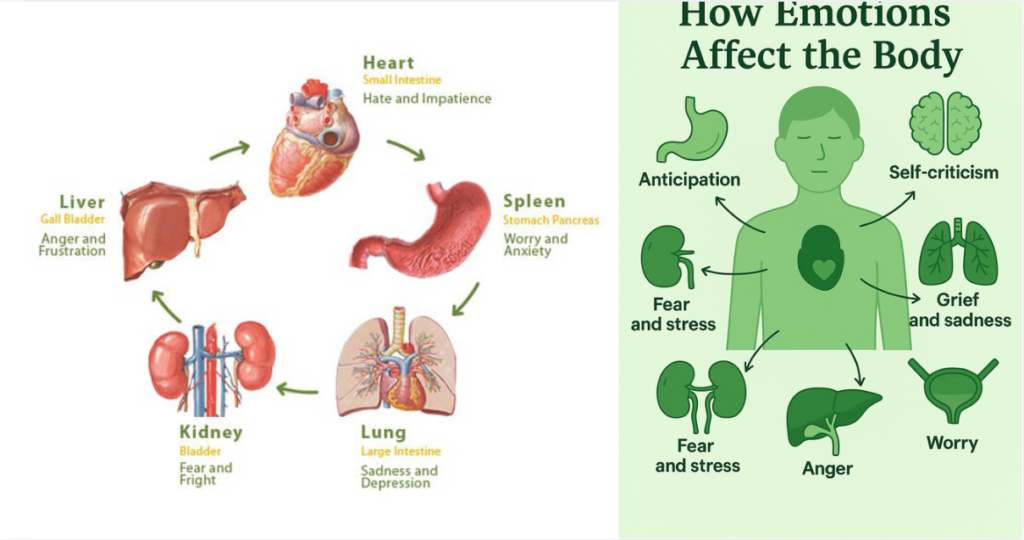
The Link Between Emotions and Organ Function
Emotions are not confined to the mind—they trigger chemical and hormonal responses throughout the body. Cortisol, adrenaline, and other stress hormones can influence heart rate, digestion, and liver metabolism. Conversely, positive emotions like contentment and gratitude activate parasympathetic responses that support healing and organ efficiency.
H3: How Stress Hormones Affect the Body
When stress activates the hypothalamic-pituitary-adrenal (HPA) axis, cortisol levels rise. Elevated cortisol over time can:
- Suppress immune function
- Increase blood pressure
- Impair digestion
- Elevate blood sugar
H3: Emotional Impact on Specific Organs
- Heart: Chronic anxiety can elevate heart rate and increase cardiovascular risk.
- Lungs: Tension may lead to shallow breathing, reducing oxygenation.
- Digestive System: Stress can disrupt gut motility and microbiome balance.
- Liver: Emotional strain may affect detoxification processes.
By recognizing these connections, you can take steps to mitigate long-term organ strain.
Common Workplace Emotions and Their Physiological Effects
Your daily experiences at work produce a range of emotions that can have specific organ-level impacts.
H3: Anxiety and Overwhelm
- Heart: Increased blood pressure and palpitations
- Gut: Nausea, bloating, or diarrhea
- Muscles: Tension and headaches
Tip: Practice deep breathing or short mindfulness exercises to recalibrate autonomic responses.
H3: Frustration and Anger
- Liver: Traditional medicine links anger to liver stress
- Cardiovascular System: Elevated heart rate and blood pressure spikes
- Mental Clarity: Reduced focus due to heightened sympathetic activity
Tip: Channel frustration through movement or controlled expression, such as journaling or brief walks.
H3: Positive Emotions
- Heart: Lower resting heart rate, improved cardiovascular recovery
- Digestive System: Enhanced nutrient absorption and balanced gut motility
- Immune System: Increased resilience and anti-inflammatory activity
Tip: Integrate gratitude practices, micro-breaks, or social connection to foster positive emotional states.
Step-by-Step Strategies to Protect Organ Function at Work
Managing emotions effectively requires structured approaches that balance the mind and body.
H3: Mindful Breathing Techniques
- Inhale deeply for four counts.
- Hold for four counts.
- Exhale slowly for six counts.
- Repeat for 3–5 minutes to reduce sympathetic activation and lower cortisol.
H3: Micro-Break Movement
- Stand and stretch for 2–3 minutes every hour
- Perform gentle twists or shoulder rolls to reduce muscle tension
- Incorporate walking meetings to relieve mental and physical stress
H3: Emotional Check-Ins
- Pause mid-morning and mid-afternoon to identify your current emotional state
- Use journaling or digital prompts to track triggers and patterns
- Apply proactive coping strategies when negative emotions emerge
Advanced Techniques for Enhancing Emotional and Organ Resilience
H3: Cognitive Reframing
Shift perspective on challenges to reduce emotional intensity and subsequent organ strain.
- Identify negative thoughts.
- Reframe with evidence-based alternative interpretations.
- Focus on actionable solutions rather than dwelling on stressors.
H3: Mind-Body Practices
Yoga, tai chi, and meditation promote parasympathetic activity, enhance digestion, and improve cardiovascular recovery.
H3: Nutritional Support
- Hydrate adequately to support liver and kidney function.
- Include foods rich in magnesium, omega-3 fatty acids, and antioxidants to counteract stress-induced inflammation.
Troubleshooting Emotional and Physiological Challenges
Even with strategies in place, challenges may persist.
H3: Persistent Stress or Anxiety
- Consider professional support such as therapy or counseling.
- Incorporate consistent sleep hygiene and relaxation techniques.
H3: Physical Symptoms
- Headaches, digestive discomfort, or elevated heart rate may indicate unresolved emotional stress.
- Track symptoms and correlate them with workplace triggers for targeted interventions.
H3: Preventive Measures
- Maintain a structured work schedule with regular breaks
- Foster supportive social connections
- Set realistic expectations to minimize overwhelm
Maximizing Results for Sustainable Emotional and Organ Health
- Integrate Mindfulness Daily: Even 10 minutes can improve organ function over time.
- Build Emotional Awareness: Track mood, stress levels, and physical symptoms to identify patterns.
- Create a Balanced Environment: Ergonomic workspace, natural light, and social support reduce stress load.
- Practice Gratitude and Positivity: Positive emotions support parasympathetic activity and enhance overall resilience.
By layering these strategies, you can reduce the physiological impact of negative emotions while enhancing mental and physical performance.
Conclusion
Emotions at work are powerful influencers of organ function, affecting heart health, digestion, liver efficiency, and immune resilience. Recognizing the physiological impact of stress, frustration, and anxiety empowers you to implement actionable strategies for maintaining balance. Incorporating mindful practices, micro-breaks, nutrition, and positive emotional exercises can transform your daily experience, protecting both your mind and body. By taking proactive steps, you unlock the ability to thrive professionally while safeguarding your long-term health. Start small, remain consistent, and discover the profound connection between your feelings and your overall well-being.
Internal Linking Opportunities:
- Explore [Mindfulness Techniques for Stress Relief]
- Learn [How Nutrition Impacts Cognitive and Organ Health]
- Discover [Yoga and Tai Chi for Workplace Wellness]
- Check [Sleep Strategies to Enhance Daily Function]
Disclaimer:
Important Disclaimer: This article is for informational purposes only and should not replace professional advice. For health-related topics, consult healthcare providers. Individual results may vary, and personal circumstances should always be considered when implementing any suggestions.