Fatty liver and metabolic health are deeply connected—and often silently compromised long before symptoms appear. Learn what this warning sign means for you.
You may feel “mostly fine.” Maybe a little tired. Maybe your blood work shows slightly elevated liver enzymes. Then you hear the words: fatty liver. It sounds mild, almost harmless. But fatty liver disease is often a powerful early signal that your metabolic health needs attention.
The good news? This condition is frequently reversible—especially in its early stages. When you understand how fatty liver and metabolic health are linked, you can take practical, sustainable steps to protect your liver, balance your metabolism, and improve your long-term well-being. Let’s break it down in a clear, empowering way.
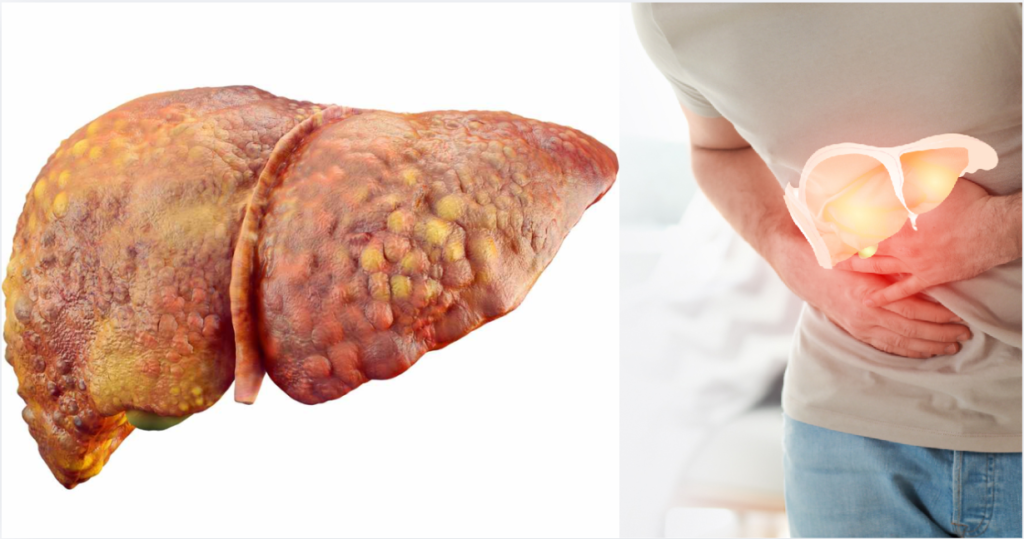
What Is Fatty Liver and Why Is It a Metabolic Warning Sign?
Fatty liver, medically known as non-alcoholic fatty liver disease (NAFLD), occurs when excess fat builds up in liver cells. While some fat in the liver is normal, too much can disrupt its function and trigger inflammation.
Today, experts increasingly refer to this condition as metabolic dysfunction-associated steatotic liver disease (MASLD), reflecting its close connection to metabolic health.
How Common Is Fatty Liver?
Fatty liver disease is one of the most common liver conditions worldwide. It affects an estimated 25–30% of adults globally. Many people don’t know they have it because early stages often cause no noticeable symptoms.
That’s why it’s called a hidden warning sign.
Why Is the Liver So Important for Metabolic Health?
Your liver plays a central role in:
- Regulating blood sugar
- Processing fats and cholesterol
- Detoxifying harmful substances
- Storing essential nutrients
When fat accumulates in the liver, these processes become less efficient. Over time, this can worsen insulin resistance, raise triglycerides, and increase the risk of type 2 diabetes and cardiovascular disease.
In short: fatty liver and metabolic health are two sides of the same coin.
How Does Fatty Liver Develop in the First Place?
Understanding the “how” helps you take back control.
Insulin Resistance: The Core Driver
Insulin resistance is one of the strongest contributors to fatty liver. When your cells stop responding properly to insulin:
- Blood sugar rises
- The pancreas releases more insulin
- The liver converts excess glucose into fat
That fat gets stored in liver cells, leading to steatosis (fat accumulation).
Excess Sugar and Refined Carbohydrates
High intake of:
- Sugary beverages
- Processed snacks
- Refined grains
can overload the liver with fructose and glucose. Fructose, in particular, is metabolized primarily in the liver and can directly stimulate fat production.
Sedentary Lifestyle and Visceral Fat
Lack of movement reduces fat-burning capacity. Meanwhile, visceral fat (fat stored around abdominal organs) releases inflammatory signals that further impair metabolic health and promote fatty liver progression.
The takeaway? Fatty liver doesn’t appear randomly—it’s often the result of long-term metabolic strain.
What Are the Early Signs and Symptoms of Fatty Liver?
Direct Answer (Featured Snippet Potential)
Early fatty liver often has no symptoms. When present, signs may include fatigue, mild abdominal discomfort, elevated liver enzymes on blood tests, and metabolic risk factors such as obesity or high blood sugar.
Most cases are discovered incidentally during:
- Routine blood work showing elevated ALT or AST
- An ultrasound scan for another issue
Subtle Clues You Shouldn’t Ignore
You may notice:
- Persistent fatigue
- Brain fog
- Difficulty losing weight
- Increased waist circumference
While these are not specific to fatty liver, they often signal metabolic imbalance.
This is where internal linking opportunities become powerful. Topics like how to reduce insulin resistance, best foods for liver health, and signs of metabolic syndrome naturally connect to this discussion.
Step-by-Step: How to Improve Fatty Liver and Metabolic Health
Here’s the empowering part: early-stage fatty liver is often reversible.
Step 1: Reduce Added Sugars and Refined Carbs
Focus on:
- Eliminating sugary drinks
- Reducing processed snacks
- Choosing whole grains over refined options
Even modest reductions in sugar intake can lower liver fat significantly.
Step 2: Prioritize Protein and Fiber
Balanced meals that include:
- Lean proteins
- Legumes
- Vegetables
- High-fiber whole foods
help stabilize blood sugar and reduce fat storage in the liver.
Step 3: Move Your Body Consistently
You don’t need extreme workouts. Aim for:
- 30 minutes of brisk walking most days
- Resistance training 2–3 times per week
- Short movement breaks if you sit for long periods
Exercise improves insulin sensitivity—even without major weight loss.
Step 4: Support Weight Loss Gradually
Losing 5–10% of body weight can significantly reduce liver fat and inflammation. Slow, steady progress is more sustainable and safer than crash dieting.
Advanced Strategies to Protect Long-Term Metabolic Health
Once you’ve implemented the basics, you can go further.
Improve Sleep Quality
Poor sleep worsens insulin resistance and increases cravings. Aim for:
- 7–9 hours per night
- A consistent sleep schedule
- Reduced screen time before bed
Manage Chronic Stress
Chronic stress raises cortisol, which promotes fat storage—especially around the abdomen. Techniques like:
- Deep breathing
- Meditation
- Structured time off
can improve both metabolic health and liver function.
Consider Medical Monitoring
Work with a healthcare provider to track:
- Liver enzyme levels
- Fasting glucose and HbA1c
- Lipid profile
- Waist circumference
Monitoring gives you measurable feedback and motivation.
Common Challenges and How to Overcome Them
Changing habits isn’t always easy. Here’s how to stay on track.
“I Feel Fine—Why Change Anything?”
Fatty liver is often silent. Waiting for symptoms can mean waiting for advanced disease. Think of this diagnosis as an early alert system—an opportunity, not a crisis.
“I’ve Tried Dieting Before and Failed.”
Instead of extreme diets, focus on:
- One habit at a time
- Small, consistent improvements
- Sustainable changes you can maintain long-term
Progress beats perfection.
“I Don’t Have Time to Exercise.”
Start small:
- 10-minute walks after meals
- Taking stairs instead of elevators
- Bodyweight exercises at home
Consistency matters more than intensity.
Maximizing Results: Building a Metabolic Health Lifestyle
If you truly want to transform fatty liver and metabolic health, think beyond quick fixes.
Build a Liver-Friendly Routine
- Plan balanced meals weekly
- Keep healthy snacks available
- Schedule workouts like appointments
Track Your Progress
Use:
- A food journal
- A fitness tracker
- Regular lab tests
Seeing improvement in numbers can be deeply motivating.
Combine Complementary Strategies
Explore related topics such as:
- Anti-inflammatory diets
- Intermittent fasting and liver health
- Gut microbiome and metabolism
- Cardiovascular risk reduction
Fatty liver often improves alongside better overall metabolic health.
Conclusion: Turn the Warning Sign Into a Turning Point
Fatty liver and metabolic health are closely intertwined—and that connection gives you power. This condition is not just a diagnosis; it’s a signal that your body is asking for change.
By reducing sugar, improving insulin sensitivity, moving more, sleeping better, and managing stress, you can often reverse early fatty liver and dramatically improve your metabolic future. You don’t need perfection. You need consistency.
Start today. One meal. One walk. One better night of sleep. Small changes compound—and your liver will thank you.
Important Disclaimer: This article is for informational purposes only and should not replace professional advice. For health-related topics, consult healthcare providers. For financial or legal matters, seek qualified professional guidance. For safety procedures, verify current best practices and local regulations. Individual results may vary, and personal circumstances should always be considered when implementing any suggestions.