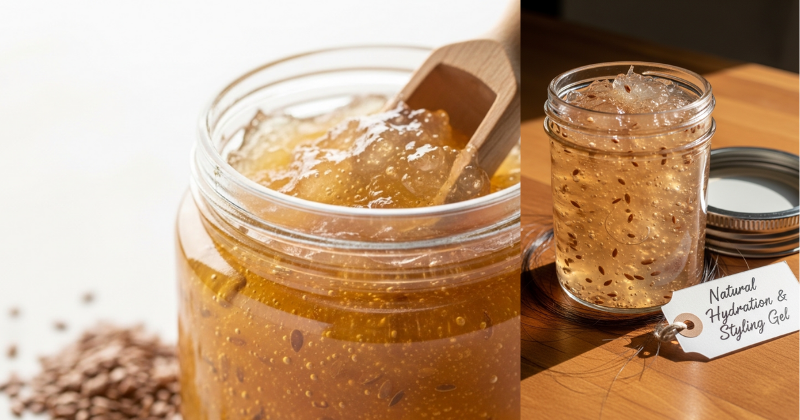
Flaxseed gel represents a remarkable convergence of traditional botanical knowledge and modern cosmetic science, offering a biodegradable, cost-effective alternative to synthetic styling and skincare products. This mucilaginous substance, derived from the seeds of Linum usitatissimum, contains polysaccharides that form a clear, viscous gel when heated in water—a natural polymer system that provides both mechanical hold for hair styling and moisture-binding properties for dermal applications. Whether you’re seeking to minimize chemical exposure in your beauty routine or simply exploring evidence-based natural alternatives, flaxseed gel delivers measurable benefits supported by both historical use and contemporary research.
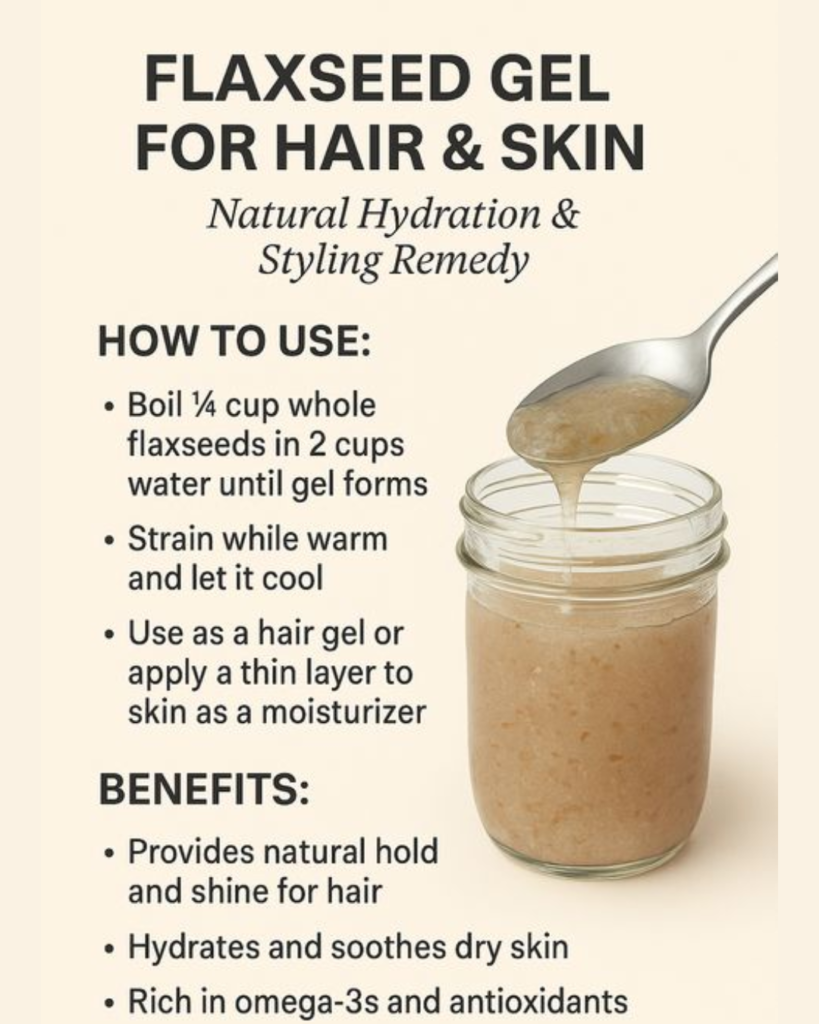
The Biochemistry Behind Flaxseed Gel’s Effectiveness
Understanding why flaxseed gel works requires examining its molecular composition. The gel-forming capacity of flaxseeds originates from their seed coat mucilage, a complex mixture of acidic and neutral polysaccharides. When flaxseeds are boiled, heat disrupts the seed structure, releasing these polysaccharides into the surrounding water where they form hydrogen bonds, creating a three-dimensional network—the characteristic gel structure.
Polysaccharide Composition and Functional Properties
The primary polysaccharides in flaxseed mucilage include arabinoxylans and rhamnose-containing heteropolysaccharides. These molecules exhibit hydrophilic (water-attracting) properties, which explains the gel’s humectant effects when applied to hair and skin. The molecular weight of these polysaccharides typically ranges from 500 to 1,500 kDa, providing sufficient chain length for entanglement and gel formation while remaining light enough to avoid excessive buildup on hair strands.
Additionally, flaxseed gel contains trace amounts of omega-3 fatty acids (primarily alpha-linolenic acid), proteins, and phenolic compounds that contribute antioxidant properties. While these components exist in lower concentrations compared to whole flaxseeds, they may provide secondary benefits including mild anti-inflammatory effects and protection against oxidative stress on skin and hair follicles.
Rheological Characteristics for Hair Styling
The rheology—or flow behavior—of flaxseed gel makes it particularly suitable for hair styling applications. It exhibits pseudoplastic or shear-thinning behavior, meaning its viscosity decreases under mechanical stress (like combing or scrunching) and increases when at rest. This property allows easy application and distribution through hair while providing hold once the hair dries. The gel’s modulus of elasticity, which determines its “bounce” or flexibility, falls within an ideal range that offers definition without excessive stiffness, unlike many synthetic polymers that create a crunchy or rigid cast.
Preparing Flaxseed Gel: A Methodological Approach
The extraction of flaxseed gel follows straightforward thermochemical principles, though attention to specific parameters significantly affects the final product’s quality and stability.
Basic Extraction Protocol
The standard method involves a 1:4 to 1:6 ratio of flaxseeds to water (by volume). Combine whole flaxseeds with water in a saucepan and bring to a boil, then reduce heat to maintain a gentle simmer. The optimal extraction time ranges from 5 to 15 minutes, depending on desired viscosity. You’ll observe the water becoming progressively more viscous and developing a translucent, gel-like consistency.
The endpoint is reached when the mixture achieves a consistency similar to raw egg whites—it should coat a spoon but still pour readily. Strain immediately through a fine-mesh sieve or cheesecloth while hot, as the gel becomes more difficult to separate from the seeds as it cools and viscosity increases. Apply gentle pressure to extract maximum gel, but avoid crushing seeds, which releases oils and proteins that can reduce shelf stability.
Variables Affecting Gel Quality
Several parameters influence the final product’s characteristics. Higher temperatures (approaching 100°C) accelerate polysaccharide extraction but may also promote degradation if maintained excessively long. The seed-to-water ratio directly affects viscosity—higher seed concentrations yield thicker gels, though there’s a practical upper limit beyond which the mixture becomes too viscous to strain effectively.
Seed quality matters as well. Whole, intact flaxseeds produce clearer gels with better stability compared to broken seeds, which release more lipids and particulates. Golden and brown flaxseeds perform equivalently in terms of gel-forming capacity, though golden varieties may be preferred for cosmetic applications due to their lighter color.
Preservation and Shelf Life Extension
Unpreserved flaxseed gel remains stable for approximately 5-7 days when refrigerated at 4°C. This limited shelf life results from the gel providing an excellent growth medium for microorganisms—the same polysaccharides that benefit your hair can also feed bacteria and fungi. To extend shelf life, several preservation strategies can be employed.
Natural preservatives include vitamin E (tocopherol) at 0.5-1% concentration, which provides antioxidant protection, and essential oils with antimicrobial properties such as rosemary or tea tree oil at 0.5-2% concentration. For more robust preservation, commercial broad-spectrum preservatives like Leucidal Liquid (derived from fermented radish root) or Optiphen Plus can extend shelf life to several weeks or months when used at manufacturer-recommended concentrations.
Alternatively, flaxseed gel can be frozen in ice cube trays for long-term storage, with individual portions thawed as needed. This method maintains gel structure and functionality for up to six months.
Hair Care Applications: Mechanisms and Techniques
The application of flaxseed gel to hair involves multiple beneficial mechanisms, from cuticle smoothing to moisture retention within the hair shaft.
Styling and Hold Formation
When applied to damp hair, flaxseed gel’s polysaccharides distribute along the hair shaft and form a continuous film as water evaporates. This film provides mechanical support that maintains curl definition or desired styling configurations. The gel functions similarly to synthetic styling polymers like polyvinylpyrrolidone (PVP) or polyquaternium compounds, but with greater flexibility and less tendency toward flaking.
For optimal results, apply gel to hair at approximately 70-80% dry—sufficiently damp for even distribution but dry enough that excess water doesn’t dilute the gel excessively. Use the “praying hands” method for smoother styles or “scrunching” for enhanced curl definition and volume. The gel typically dries with a slight cast or crunch, which is easily broken by gently scrunching dry hair to reveal soft, defined curls or waves.
Moisture Retention and Frizz Control
Flaxseed gel functions as both a humectant and occlusive agent. The hydrophilic polysaccharides bind atmospheric moisture and draw it toward the hair shaft, beneficial in moderate humidity environments. Simultaneously, the gel film provides a semi-occlusive barrier that reduces moisture loss from the hair shaft and smooths raised cuticle scales—the primary structural cause of frizz.
This dual functionality makes flaxseed gel particularly effective for individuals with naturally textured, curly, or coily hair, where maintaining optimal moisture balance proves challenging with conventional products. The gel can be combined with leave-in conditioners or oils for enhanced moisture retention, applied in layers according to the LOC (liquid-oil-cream) or LCO method common in natural hair care protocols.
Scalp Health Considerations
While primarily used for hair styling, flaxseed gel applied to the scalp may provide benefits through its mild anti-inflammatory properties. The omega-3 fatty acid content and phenolic compounds can help soothe minor scalp irritation. However, individuals prone to scalp sensitivity should patch-test first, as any botanical product carries potential for allergic reactions in susceptible individuals.
Dermatological Applications for Skin Care
Flaxseed gel’s humectant properties and biocompatibility extend its utility beyond hair care into various skincare applications.
Facial Hydration and Film Formation
Applied as a thin layer to facial skin, flaxseed gel creates a breathable occlusive film that reduces transepidermal water loss (TEWL)—the passive diffusion of water through the epidermis. Studies on polysaccharide-based films demonstrate TEWL reduction of 15-25% compared to untreated skin, contributing to improved hydration status of the stratum corneum.
The gel can be used as a standalone hydrating treatment, applied after water-based serums but before heavier occlusives, or mixed with other skincare ingredients. Its light texture makes it suitable for combination and oily skin types that may find traditional occlusive moisturizers too heavy. For dry skin, layer flaxseed gel over humectants like hyaluronic acid and under emollient-rich creams for optimal moisture retention.
Soothing Properties for Irritated Skin
The polysaccharide content in flaxseed gel exhibits mucoadhesive properties—meaning it adheres to mucous membranes and damaged epithelial surfaces. This characteristic makes it potentially beneficial for minor skin irritations, including mild sunburn, razor burn, or dryness-induced irritation. The gel forms a protective layer over compromised skin while delivering moisture, potentially supporting the skin’s natural barrier repair processes.
However, it’s important to note that flaxseed gel should not be considered a medical treatment for significant skin conditions. For persistent or severe skin issues, dermatological consultation remains essential.
Anti-Aging and Antioxidant Potential
While not a primary benefit, the phenolic compounds and omega-3 derivatives in flaxseed gel provide mild antioxidant activity. These compounds can neutralize reactive oxygen species (ROS) that contribute to photoaging and oxidative damage to skin structures. The concentration of these bioactive compounds in gel form is significantly lower than in whole flaxseeds or flaxseed oil, so antioxidant effects should be considered supplementary rather than primary benefits.
Optimizing Formulations: Customization and Enhancement
The basic flaxseed gel preparation serves as an excellent foundation for customized formulations tailored to specific hair types and skin needs.
pH Adjustment for Compatibility
The pH of basic flaxseed gel typically ranges from 6.5 to 7.5, which falls within the acceptable range for most hair and skin applications. However, hair’s optimal pH lies between 4.5 and 5.5—the slightly acidic range that promotes cuticle closure and maintains the acid mantle. To adjust flaxseed gel’s pH, citric acid or lemon juice can be added dropwise while monitoring with pH strips, targeting a pH of 5.0-5.5 for hair applications.
For skincare applications, the skin’s surface pH averages around 4.7-5.75, so mild acidification may also benefit facial applications. This adjustment enhances product compatibility and may improve preservation by creating a less favorable environment for microbial growth.
Functional Additive Integration
Flaxseed gel readily accepts various additives that can enhance specific properties. For increased hold in hair styling applications, aloe vera gel (which contains its own polysaccharides) can be blended at a 1:1 to 2:1 ratio with flaxseed gel. For enhanced shine and smoothing, add lightweight oils like argan or grapeseed oil at 1-3% concentration—higher percentages may reduce gel clarity and hold strength.
Humectants like vegetable glycerin (2-5%) or panthenol (1-3%) can be incorporated to boost moisture-binding capacity. For scalp health, essential oils with documented antimicrobial or anti-inflammatory properties—such as peppermint, rosemary, or lavender—can be added at 0.5-2% concentration, though these also provide preservation benefits.
Protein additives (hydrolyzed silk, wheat, or rice protein at 1-3%) can strengthen the gel’s film-forming properties, particularly beneficial for damaged or high-porosity hair. These should be added to cooled gel and mixed thoroughly for even distribution.
Troubleshooting Common Challenges
Even with careful preparation, users may encounter specific issues that affect gel performance or usability.
Managing Viscosity Issues
If your gel turns out too thin, the most common causes include insufficient seed-to-water ratio or inadequate extraction time. Rather than reboiling (which may promote degradation), consider mixing batches with different viscosities or adding a natural thickener like xanthan gum (0.1-0.5%) dispersed first in glycerin to prevent clumping.
Conversely, excessively thick gel can be diluted with distilled water or aloe vera juice, though this requires proportional adjustment of any preservatives. Some users prefer making concentrated gel that can be diluted as needed for different applications—thicker for maximum hold styling, thinner for leave-in conditioning treatments.
Preventing Protein Sensitivity Reactions
A small percentage of individuals experience protein sensitivity—an adverse reaction to protein-containing hair products that causes dryness, brittleness, or straw-like texture. If this occurs with flaxseed gel, the seeds may have been over-extracted or crushed during straining. Prepare a fresh batch ensuring seeds remain intact and strain earlier in the cooking process. Alternatively, rinse hair more thoroughly after application, as protein buildup exacerbates sensitivity.
Addressing Product Buildup
Like any styling product, regular use of flaxseed gel can lead to cumulative buildup on hair strands, manifesting as dullness, reduced volume, or decreased curl definition. Periodic clarifying treatments using sulfate-based shampoos (for those who tolerate them) or chelating agents effectively remove polysaccharide deposits. Alternatively, incorporate regular apple cider vinegar rinses (diluted 1:4 with water) which help dissolve buildup while maintaining scalp pH balance.
For individuals following sulfate-free or low-poo regimens, consider occasional bentonite clay treatments, which adsorb and remove buildup through ionic interactions without requiring harsh detergents.
Comparative Analysis: Flaxseed Gel Versus Commercial Alternatives
Understanding how flaxseed gel compares to conventional products helps inform decision-making about its role in your routine.
Performance Metrics
In terms of hold strength, flaxseed gel typically provides light to medium hold—adequate for enhancing natural texture and curl definition but generally insufficient for sleek updos or extreme styling that requires maximum hold polymers. Commercial gels often incorporate multiple polymer types at optimized concentrations specifically for hold strength, giving them an advantage for high-hold applications.
For moisture retention and frizz control, flaxseed gel performs comparably to many commercial conditioning and styling products, particularly those marketed as “natural” or “clean beauty” formulations. The humectant properties of flaxseed polysaccharides rival synthetic humectants like PVP or polyquaterniums in moderate humidity conditions.
Cost-Benefit Considerations
From an economic perspective, flaxseed gel offers substantial savings. A typical 12-ounce bottle of natural hair gel retails for $8-15, while the equivalent volume of flaxseed gel costs approximately $1-2 in raw materials (seeds and preservatives). For regular users, this represents significant long-term savings, though it requires time investment in preparation.
Environmental considerations favor flaxseed gel as well—it’s biodegradable, uses minimal packaging, and avoids synthetic polymers that persist in aquatic environments. For consumers prioritizing sustainability, this represents a meaningful advantage over conventional products containing acrylates, silicones, or other non-biodegradable compounds.
Limitations and Practical Constraints
The primary limitation of flaxseed gel is its shelf stability requirement. Unlike commercial products with robust preservation systems, homemade flaxseed gel demands refrigeration and relatively prompt use, which may not suit all lifestyles. Additionally, the DIY preparation process, while straightforward, requires time and consistency—batch-to-batch variations in viscosity and performance can occur until technique is refined.
For individuals with extremely damaged or chemically processed hair requiring intensive conditioning treatments, flaxseed gel may serve better as a styling supplement rather than a complete replacement for deep conditioning products specifically formulated with penetrating conditioners and reconstructive proteins.
Conclusion
Flaxseed gel represents a scientifically sound, economically advantageous, and environmentally responsible option for natural hair styling and skincare. Its polysaccharide-based formulation provides measurable benefits including moisture retention, frizz reduction, and flexible hold, while its preparation allows for extensive customization to individual needs. While it may not completely replace all commercial products for every user, particularly those requiring maximum-hold styling or extended shelf stability, flaxseed gel offers a viable primary or supplementary option grounded in both traditional use and contemporary understanding of cosmetic chemistry. By mastering the basic preparation technique and understanding the underlying mechanisms, you can effectively integrate this botanical remedy into your personal care routine, achieving professional-quality results through evidence-based natural methods.