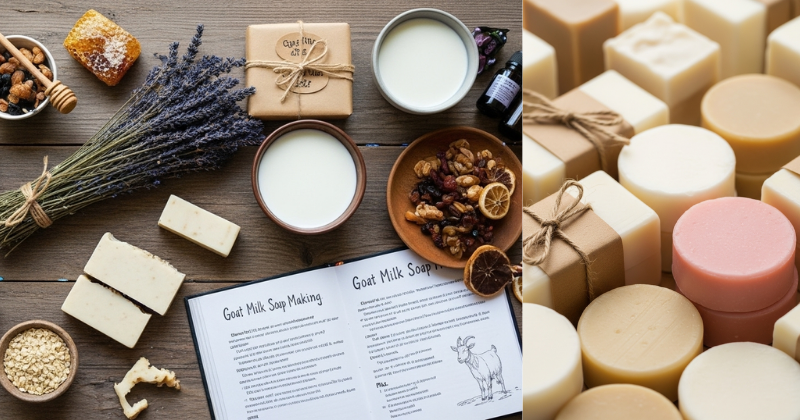
Explore handmade goat milk soap recipes for clean and healthy skin and energy boosting. Discover how to craft natural, invigorating bars for a spa-like glow.
Important Disclaimer: This article is for informational purposes only and should not replace professional advice. For health-related topics, consult healthcare providers. For safety procedures, verify current best practices and local regulations. Individual results may vary, and personal circumstances should always be considered when implementing any suggestions.
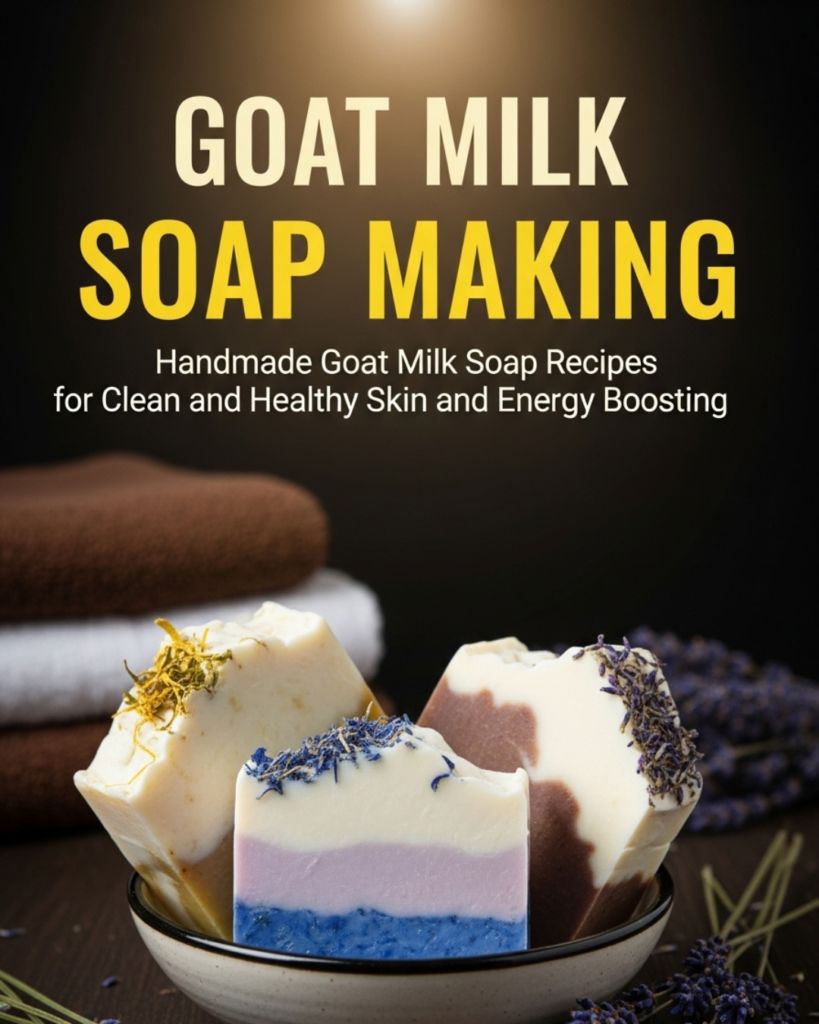
Have you ever stepped out of the shower feeling like your skin was tight, itchy, or stripped of its natural life? Most commercial soaps are actually synthetic detergents that remove the essential oils your body needs to stay supple. If you are ready to transform your daily hygiene into a revitalizing ritual, you are in the right place. By using Handmade Goat Milk Soap Recipes for Clean and Healthy Skin and Energy Boosting, you can nourish your largest organ while awakening your senses.
In this comprehensive guide, we are going to unlock the art of cold-process soap making using the creamy goodness of goat milk. You will learn why this specific ingredient is a miracle worker for sensitive complexions and how to infuse your bars with essential oils that provide a natural “pick-me-up.” You have the capability to create a professional-grade skincare product right in your own kitchen. Let’s dive into the world of natural suds and achieve the glowing, energetic skin you deserve!
Foundation: Why Goat Milk is the Ultimate Skin Superfood
To succeed in your DIY journey, it is essential to build confidence in your ingredients. Goat milk has been used for centuries as a secret beauty treatment, and modern science finally explains why.
The Power of Alpha-Hydroxy Acids (AHAs)
Goat milk is naturally rich in lactic acid, a gentle alpha-hydroxy acid that helps break down the “glue” holding dead skin cells together. When you use Handmade Goat Milk Soap Recipes for Clean and Healthy Skin, you are providing your body with a microscopic exfoliation every time you wash. This reveals the fresh, vibrant skin beneath without the irritation of harsh scrubs. It’s a wonderful way to [discover a sustainable skincare routine] that works with your body’s natural chemistry.
Reassuring the Beginner: The Lye Factor
Many beginners hesitate at the mention of lye (sodium hydroxide). While it is a caustic chemical that requires respect and safety gear, it is a necessary part of the “saponification” process. Once the lye reacts with the oils and milk, it completely disappears, leaving behind nothing but pure, moisturizing soap. You can achieve beautiful results safely by following a few simple precautions.
Key Nutritional Benefits
- Vitamin A: Essential for repairing damaged skin tissue.
- Selenium: Helps prevent skin damage from excessive sun exposure.
- Creamy Fats: Provide a rich, decadent lather that commercial soaps can’t match.
Step-by-Step: The Energy-Boosting Goat Milk Soap Recipe
Ready to craft? This recipe focuses on citrus and mint to provide an invigorating aromatherapeutic experience while the milk cleanses.
1. Safety First and Equipment
- Gear: Wear long sleeves, safety goggles, and rubber gloves. Work in a well-ventilated area.
- Tools: A digital scale (essential for accuracy), a stainless steel pot, heat-safe glass pitchers, and an immersion (stick) blender.
2. The “Slushy” Milk Method
To keep your soap white and prevent the milk sugars from scorching, you must freeze your goat milk into a slushy consistency before adding lye.
- The Mix: Weigh out 10 oz of frozen goat milk. Slowly sprinkle 4.2 oz of lye over the milk, stirring constantly. The temperature will rise, but the ice keeps the milk from turning orange or smelling like ammonia.
3. Combining the Oils
- The Blend: Melt 10 oz of Coconut Oil, 10 oz of Olive Oil, and 8 oz of Shea Butter.
- The Marriage: Once both the lye-milk mixture and the oils are around 90–100°F, slowly pour the lye-milk into the oils.
- The Trace: Use your stick blender in short bursts until the mixture reaches “trace”—it should have the consistency of a thin vanilla pudding.
4. Infusing Energy
- Essential Oils: Add 1 oz of a “Citrus Burst” blend (Orange, Grapefruit, and a hint of Peppermint). These oils are scientifically shown to improve alertness and provide an energy-boosting effect during your morning shower.
- The Pour: Pour into a silicone mold and let it sit for 24–48 hours.
Advanced Strategies: Customizing for Specific Needs
Once you have mastered the basic Handmade Goat Milk Soap Recipes for Clean and Healthy Skin, you can start experimenting with expert-level additions to customize your bars.
Botanical Additives
For an extra scrubby texture, add dried calendula petals or orange peel powder. This provides a physical exfoliation that complements the lactic acid in the milk. If you are struggling with a “cortisol belly” or high stress, adding dried lavender can turn your soap into a [relaxing wellness treatment] for the evening, while keeping the citrus bars for the morning.
The “Superfatting” Technique
“Superfatting” means adding slightly more oil than the lye can process. This ensures that some oil remains free in the bar to moisturize your skin. For a luxury bar, add a teaspoon of castor oil during the trace phase. Much like the [Castor Oil Recipe for Skin], this addition provides a dense, creamy lather and deep hydration that makes your skin look younger and firmer.
Pro-Tip: Color with Clays
Instead of synthetic dyes, use French Green Clay or Rose Kaolin Clay. Not only do these provide beautiful, earthy colors, but they also help draw impurities out of the pores, ensuring your skin stays clean and healthy.
Troubleshooting: Common Challenges and Solutions
Making soap is a science, and sometimes variables like temperature or humidity can cause hiccups. Here is how to handle them.
“My soap turned dark orange or brown.”
- The Solution: This is caused by the lye scorching the sugars in the goat milk.
- The Fix: Next time, ensure your milk is almost entirely frozen when you add the lye. You can also place your lye pitcher inside an “ice bath” bowl to keep the temperature even lower.
“There is a white ash on top of my bars.”
- The Advice: This is “soda ash,” a harmless reaction between the lye and carbon dioxide in the air.
- The Prevention: Spray the top of your freshly poured soap with a light mist of 91% isopropyl alcohol. You can also cover the mold with plastic wrap to minimize air contact.
“The scent disappeared after the soap cured.”
- The Secret: Cold-process soap is a harsh environment for essential oils.
- The Approach: Use a “folded” citrus oil or anchor the scent with a base note like Patchouli or Cedarwood. This ensures your energy-boosting fragrance lasts until the very last sliver of soap.
Maximizing Results: Curing and Long-Term Care
To build upon your success, you must be patient. A good bar of soap is like a fine wine—it gets better with age.
The Curing Process
Handmade soap needs to cure for 4 to 6 weeks. During this time, the water evaporates, creating a harder, longer-lasting bar with a more stable pH. Store your curing bars in a cool, dry place with plenty of airflow. This patience is a key part of the [wellness-focused lifestyle]—learning to appreciate the slow process of creation.
Soap Maintenance
Because handmade soap is rich in natural glycerin, it will melt if left in a puddle of water. Use a self-draining soap dish to keep your bars dry between uses. This ensures you get the most out of every batch and continue to enjoy clean and healthy skin for months.
Featured Snippet: What are the benefits of goat milk soap?
Handmade goat milk soap is beneficial because it contains lactic acid (an AHA) for gentle exfoliation and high fat content for deep moisturizing. It is rich in Vitamin A and Selenium, which repair and protect the skin barrier. Unlike commercial soaps, it is free from harsh detergents, making it ideal for sensitive skin, eczema, and achieving a healthy, youthful glow.
Conclusion
Embracing Handmade Goat Milk Soap Recipes for Clean and Healthy Skin and Energy Boosting is a powerful act of self-care. You have discovered that you have the capability to succeed in crafting a product that is better for your body and the environment than anything found on a supermarket shelf. By choosing natural ingredients and invigorating scents, you achieve a daily routine that nourishes both your skin and your spirit.
You’ve got this! Start by ordering your oils and finding a local source for fresh goat milk. Your morning shower is about to become the best part of your day.