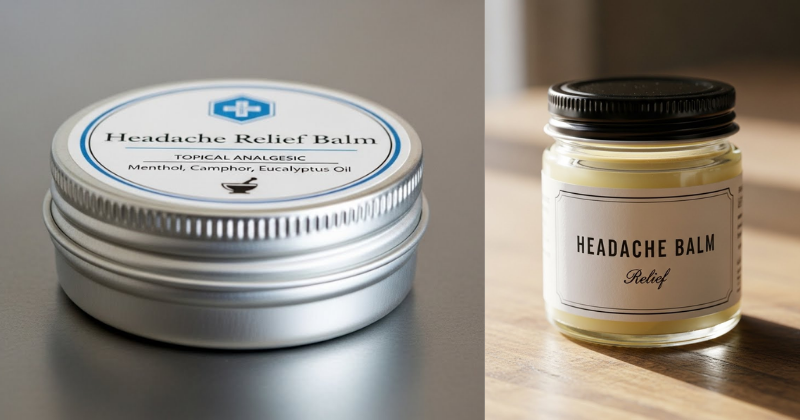
Discover how to make a natural headache balm at home. This guide provides a simple recipe using essential oils to relieve tension and soothe your senses.
Have you ever been in the middle of a productive afternoon when a dull throb starts behind your eyes? It is a frustrating experience that can bring your entire day to a screeching halt. While many people reach for over-the-counter pills, there is a growing desire for botanical alternatives that work in harmony with the body. Creating your own headache balm is an empowering way to manage tension using the cooling and soothing properties of essential oils. By applying a specialized blend of oils directly to your pulse points, you can experience a gentle, sensory shift that helps melt away the pressure of a stressful day.
Today, you are going to discover how to craft a high-potency, aromatic salve that fits right in your pocket. This guide will provide you with achievable, step-by-step instructions to master the art of natural relief. You have the capability to transform your wellness routine and achieve a state of calm without relying solely on synthetic chemicals. Get ready to unlock the secrets of aromatherapy and achieve a breakthrough in how you handle daily discomfort!

Foundation: Understanding the Power of Aromatherapy
Before we begin melting wax and mixing oils, let’s build your confidence with the basic concepts of how a topical headache balm actually works. Understanding the “why” behind the ingredients is the first step toward becoming a confident home apothecary.
The Science of Scent and Skin
When you apply a balm to your temples or the back of your neck, your body responds in two ways. First, the essential oils are absorbed through the skin into the bloodstream. Second, the aromatic molecules travel to the limbic system—the part of the brain that manages emotions and pain perception. This dual-action approach is why many find a headache balm so effective for tension-related issues.
Key Botanical Ingredients
To achieve professional results, you need a balanced foundation.
- Carrier Oils & Butters: Ingredients like coconut oil or shea butter provide the “slide” and help the oils penetrate.
- Beeswax: This acts as the hardening agent, ensuring your balm stays solid in your bag but melts upon contact with your skin.
- Peppermint Oil: Known for its high menthol content, it provides a cooling sensation that can “distract” the nerves from pain signals.
- Lavender Oil: A classic choice for relaxation, helping to soothe the mental stress that often triggers a headache.
Encouragement for Beginners
If you have never made your own wellness products before, don’t worry! This process is as simple as melting chocolate on a stovetop. You are doing a great job by taking a proactive step toward a more natural lifestyle. You have everything you need to succeed right in your kitchen!
Step-by-Step: Crafting Your Natural Headache Balm
Ready to start? Follow these manageable steps to create your first batch of relief.
1. Preparation and Setup
Clear a small space on your counter and gather your supplies. You will need a small glass jar or tin for storage.
- The Tools: A double boiler (or a glass bowl over a pot of simmering water) and a digital thermometer if you have one.
- The Recipe: 2 tablespoons of carrier oil (like Sweet Almond or Coconut), 1 tablespoon of beeswax pellets, and 20-30 drops of essential oils.
2. The Melting Process
- The Action: Place the carrier oil and beeswax in your double boiler. Heat gently until the beeswax is completely liquid.
- The Timing: This usually takes about 5 to 7 minutes. Do not let the mixture boil; you want a gentle melt to preserve the quality of the oils.
3. Adding the Active Ingredients
- The Method: Once melted, remove from heat. Wait about 60 seconds for the temperature to drop slightly, then add your essential oils.
- The Blend: Use 15 drops of Peppermint and 10 drops of Lavender for a classic, powerful headache balm.
- The Pour: Stir quickly with a wooden skewer and pour immediately into your tin. Let it sit undisturbed for at least two hours until completely firm.
Advanced Strategies: Customizing Your Relief
Once you’ve mastered the basic recipe, you can share expert-level insights with yourself by adapting the formula for different types of discomfort.
Tailoring for Specific Headaches
Not all headaches feel the same, and your headache balm can be customized to match your needs.
- For Sinus Pressure: Add 5 drops of Eucalyptus oil to your blend to help clear nasal passages.
- For Stress-Induced Tension: Include Frankincense or Marjoram for their grounding and muscle-relaxing properties.
- Internal Link: If your headaches are often tied to stomach upset, you might find relief by pairing your balm with Essential Oils That Help Relieve Nausea.
Maximizing Scent Throw and Texture
- Pro Tip: If you live in a very warm climate, add an extra half-teaspoon of beeswax to ensure the balm doesn’t melt in your car or purse.
- Aesthetic Note: To make your balm feel like a luxury product, follow the design principles in How to Make Aesthetic Homemade Candles That Smell Like a Luxury Store for your labeling and packaging.
Featured Snippet: Where do you apply headache balm?
For maximum effectiveness, apply your headache balm to your pulse points and areas of tension. The most common spots include the temples (staying away from the eyes), the base of the skull, and the inside of the wrists. Applying it to the back of the neck and the tops of the shoulders can also help relieve the muscular tension that often contributes to “tension-type” headaches.
Troubleshooting: Common Challenges and Solutions
Even the simplest DIY projects can have hiccups. Here is how to handle them with an encouraging mindset:
- “My balm is too hard to scoop”: This means you used a bit too much beeswax. Action: Simply melt it down again and add a teaspoon of carrier oil.
- “The scent isn’t strong enough”: Essential oils can be subtle.
- Solution: Ensure you are adding the oils after the base has come off the heat. Excessive heat “flashes off” the aromatic compounds.
- “It feels greasy on my skin”: You might be using too much.
- Prevention: A little goes a long way! Use just a small dab and massage it in thoroughly.
- Internal Link: If you find yourself over-applying products, you might enjoy learning The One Skincare Habit That Makes Makeup Look Better Instantly to master the “less is more” approach.
Maximizing Results: Holistic Tension Management
Now that you have your headache balm, build upon your success by incorporating other supportive lifestyle habits.
Creating a Sensory Sanctuary
- Tip: When you feel a headache coming on, apply your balm, dim the lights, and practice deep breathing for five minutes.
- Internal Link: You can further enhance your environment by trying The Cozy Home Tip That Makes Any Room Feel Instantly Cleaner to reduce the “visual noise” that can contribute to stress.
Complementary Wellness Strategies
- The Physical Connection: Often, headaches start in the feet or the jaw.
- Internal Link: Try a Bentonite Clay Foot Detox Recipe to pull tension from the body through the soles of your feet.
- Internal Link: For morning-time tension, consider A Gentle Morning Habit That Makes Your Face Glow All Day, which includes facial massage techniques that can prevent jaw clenching.
Conclusion: Empower Your Wellness Journey
You have now discovered the power of a homemade headache balm and, more importantly, you have the achievable steps to create one today. You have moved from being a passive sufferer to an empowered creator of your own botanical remedies. By following these methods—precise melting, strategic oil blending, and targeted application—you have achieved a strategy for natural comfort.
The journey to a holistic lifestyle is an achievable and rewarding path. We encourage you to whip up your first batch of balm this weekend! You are more than capable of achieving a sense of balance and relief with the simple power of nature.
Important Disclaimer: This article is for informational purposes only and should not replace professional advice. For health-related topics, consult healthcare providers. For safety procedures, verify current best practices and local regulations. Individual results may vary, and personal circumstances should always be considered when implementing any suggestions.