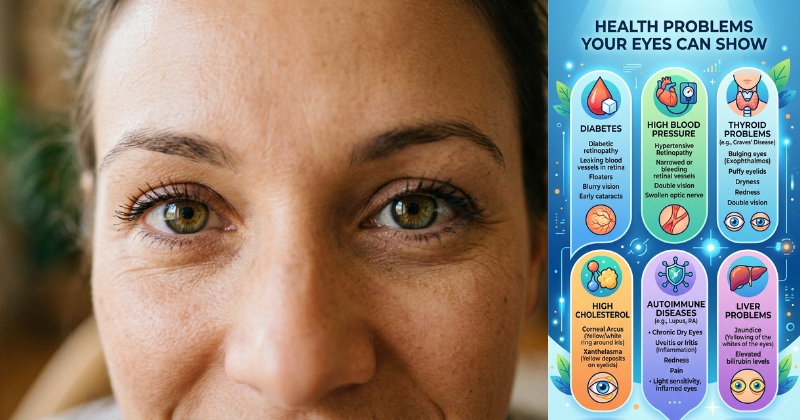
Your eyes do more than help you see the world—they can also provide clues about your overall health. In many cases, changes in the eyes may reflect underlying health conditions affecting other parts of the body. That’s why eye examinations are often an important part of routine healthcare.
From changes in eye color to unusual dryness or blurred vision, your eyes can sometimes signal nutritional deficiencies, circulation problems, or other health concerns. Recognizing these signs early can help you seek appropriate medical advice and take steps to protect your health.
In this article, we’ll explore common eye symptoms and what they might indicate, along with tips for maintaining healthy vision.
Why the Eyes Can Reflect Overall Health
The eyes are connected to many systems in the body, including:
- The nervous system
- Blood vessels and circulation
- Hormonal balance
- Nutritional status
Because the eyes contain tiny blood vessels and delicate tissues, changes in the body may sometimes appear in the eyes first.
Doctors often examine the retina, blood vessels, and pupils during eye exams because these areas can reveal early signs of certain health conditions.
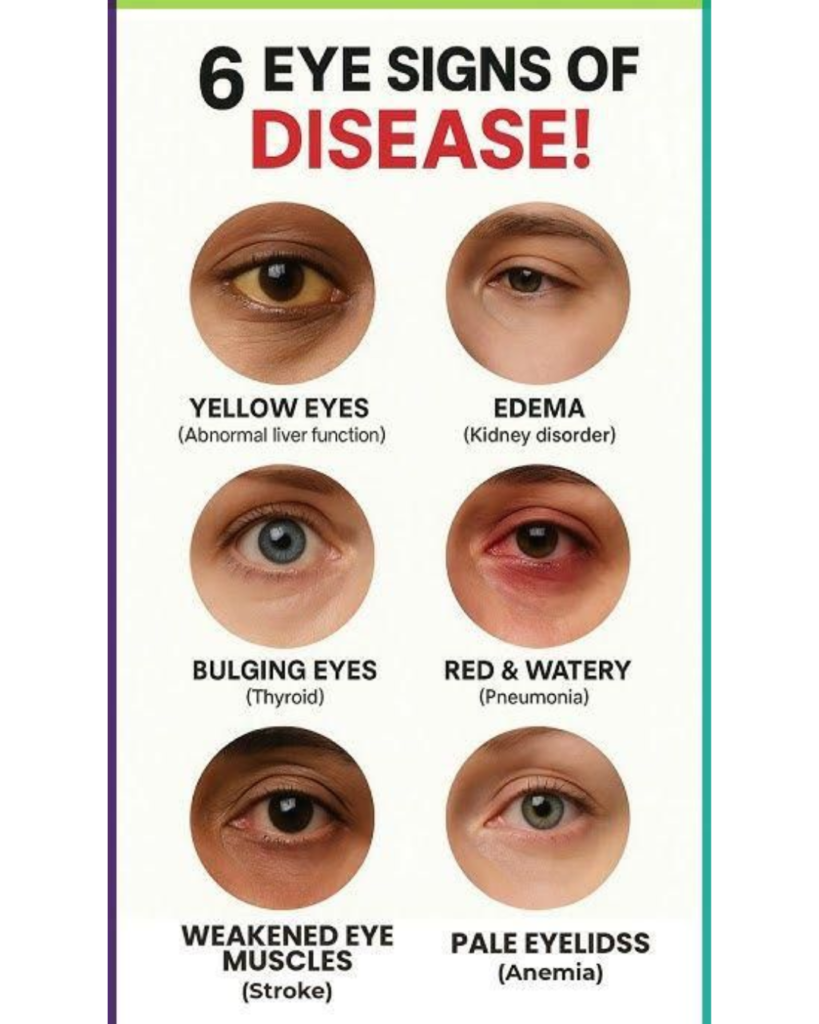
1. Yellow Eyes
What you may notice
The white part of the eye (sclera) appears yellow.
What it might indicate
Yellowing of the eyes may be related to a condition called jaundice, which occurs when bilirubin builds up in the body.
Possible causes include:
- Liver problems
- Gallbladder issues
- Certain infections
If yellowing of the eyes appears suddenly or persists, medical evaluation is important.
2. Persistent Eye Dryness
What you may notice
- Burning or stinging sensation
- Redness
- Feeling of sand in the eyes
What it might indicate
Dry eyes can occur for many reasons, including:
- Long screen time
- Environmental conditions
- Aging
- Hormonal changes
In some cases, persistent dry eyes may also be associated with autoimmune conditions or medication side effects.
3. Blurred Vision
What you may notice
Difficulty focusing or seeing clearly.
Possible causes
Blurred vision may be linked to:
- Eye strain
- Vision changes (needing glasses)
- High blood sugar levels
- Dehydration
Sudden or severe blurred vision should always be evaluated by a healthcare professional.
4. Dark Circles Under the Eyes
What you may notice
Darkened skin beneath the eyes.
Possible causes
Dark circles can be influenced by several factors:
- Lack of sleep
- Stress
- Genetics
- Dehydration
- Allergies
While they are often harmless, persistent dark circles may indicate lifestyle factors affecting overall health.
5. Red Eyes
What you may notice
Bloodshot or irritated eyes.
Possible causes
Redness may occur due to:
- Allergies
- Dryness
- Eye strain
- Infection
- Lack of sleep
Reducing screen time, staying hydrated, and resting the eyes may help in mild cases.
6. Eye Twitching
What you may notice
Small involuntary muscle spasms in the eyelid.
Common triggers
Eye twitching is often temporary and may be linked to:
- Stress
- Fatigue
- Caffeine intake
- Eye strain
Most eyelid twitching resolves on its own with rest and reduced stress.
7. Bulging Eyes
What you may notice
Eyes appear more prominent or protruding.
Possible causes
Bulging eyes can sometimes be associated with thyroid conditions, particularly thyroid eye disease.
If this change occurs suddenly or is accompanied by other symptoms, medical evaluation is recommended.
8. Pale Inner Eyelids
What you may notice
The inside of the lower eyelid appears unusually pale.
Possible causes
This may sometimes indicate low iron levels or anemia, although proper testing is required to confirm this.
Other symptoms of low iron may include fatigue and weakness.
Tips for Maintaining Healthy Eyes
Keeping your eyes healthy involves a combination of lifestyle habits and regular care.
Get Regular Eye Exams
Routine eye exams help detect potential problems early.
Eat Nutrient-Rich Foods
Certain nutrients support eye health, including:
- Vitamin A
- Vitamin C
- Omega-3 fatty acids
- Lutein and zeaxanthin
Foods that support eye health include:
- Leafy greens
- Carrots
- Fish
- Eggs
- Nuts
Follow the 20-20-20 Rule
If you use screens often:
Every 20 minutes, look at something 20 feet away for 20 seconds.
This helps reduce digital eye strain.
Protect Your Eyes from Sunlight
Wear sunglasses that block UV rays to protect your eyes from long-term damage.
Stay Hydrated
Proper hydration supports tear production and eye comfort.
When to See a Doctor
Eye symptoms should not be ignored, especially if they are:
- Sudden
- Persistent
- Painful
- Accompanied by vision changes
An eye specialist can help determine the cause and recommend appropriate treatment if necessary.
Conclusion
Your eyes can provide valuable clues about your overall health. Changes such as yellowing, dryness, redness, or blurred vision may sometimes signal underlying issues that deserve attention.
By paying attention to these signs and maintaining healthy habits, you can help protect both your vision and your overall well-being. Regular eye checkups and a balanced lifestyle remain key to long-term eye health.