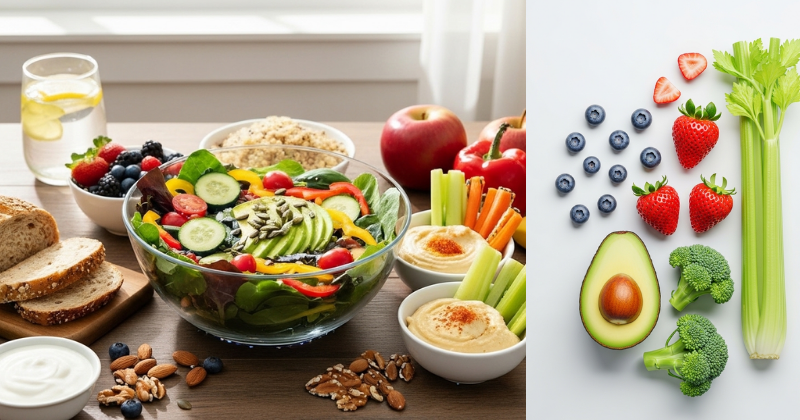
Daily food choices determine long-term health outcomes more powerfully than any other lifestyle variable — accounting for an estimated 60-70% of chronic disease risk according to epidemiological research from populations with dramatically different disease prevalence despite similar genetics. The foods presented here aren’t arbitrarily selected “superfoods” but evidence-based staples appearing consistently in the dietary patterns associated with lowest disease burden and longest healthy lifespan: the Mediterranean diet, DASH diet, traditional Okinawan diet, and Nordic diet. These healthy foods provide concentrated micronutrient density, anti-inflammatory phytochemicals, fiber supporting gut microbiome diversity, and macronutrient profiles that optimize metabolic function when consumed daily. This guide identifies the specific foods meriting daily inclusion, explains the biochemical mechanisms underlying their benefits, and provides practical strategies for integrating them seamlessly into realistic eating patterns that sustain long-term adherence.
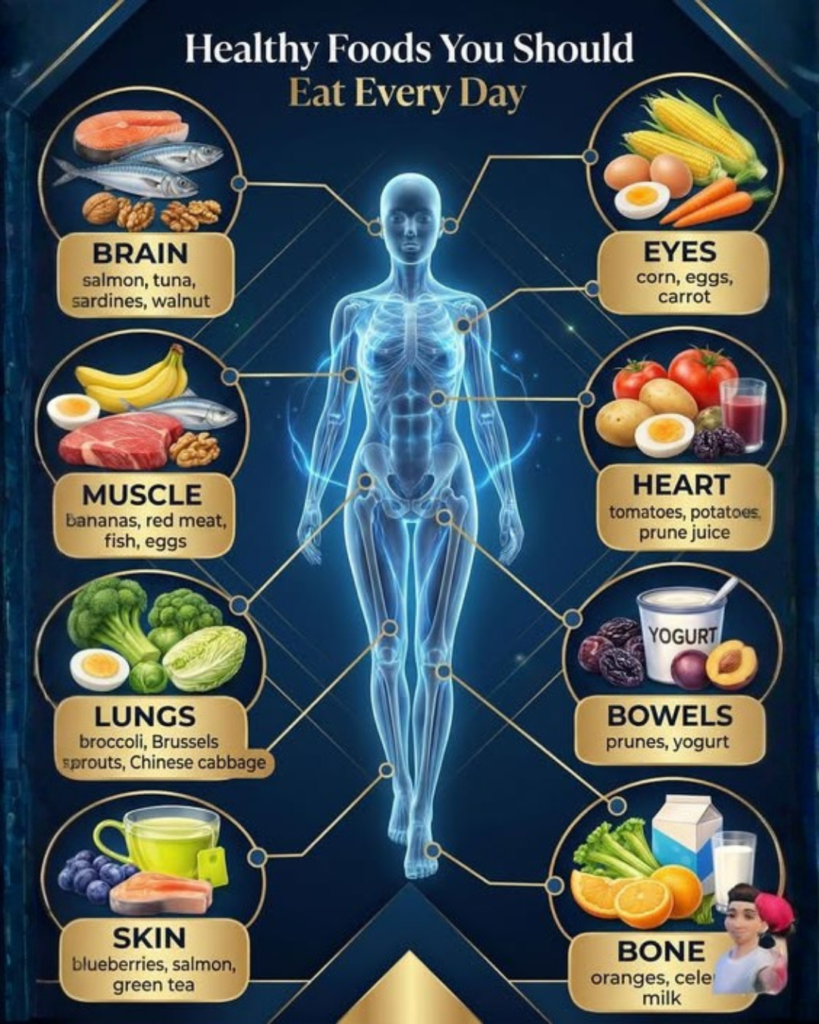
The Nutritional Foundation: Understanding Daily Healthy Eating
Before cataloging specific foods, understanding the criteria that qualify foods for daily consumption establishes the framework for intelligent food selection beyond this list.
Nutrient Density and the Calorie-Micronutrient Relationship
Nutrient density — the concentration of vitamins, minerals, and beneficial phytochemicals relative to caloric content — provides the most useful metric for identifying foods meriting daily inclusion. The most nutrient-dense food categories deliver substantial quantities of essential micronutrients within reasonable caloric portions, enabling you to meet nutritional requirements without excessive energy intake that drives weight gain.
Dark leafy greens exemplify exceptional nutrient density: one cup of cooked spinach provides massive quantities of vitamin K (987% Daily Value), vitamin A (377% DV), folate (66% DV), magnesium (39% DV), and iron (36% DV) for only 41 calories. Conversely, ultra-processed foods deliver calories with minimal micronutrient contribution — creating scenarios where caloric needs are met while micronutrient deficiencies develop.
Anti-Inflammatory and Antioxidant Capacity
Chronic low-grade inflammation underlies virtually all chronic diseases — cardiovascular disease, type 2 diabetes, cancer, neurodegenerative disease, and autoimmune conditions. Dietary patterns high in anti-inflammatory compounds measurably reduce inflammatory biomarkers (C-reactive protein, IL-6, TNF-α) and consequently reduce disease risk. The foods emphasized here provide polyphenols, carotenoids, omega-3 fatty acids, and other compounds with documented anti-inflammatory activity through mechanisms including NF-κB pathway suppression, COX enzyme inhibition, and antioxidant protection against oxidative damage.
Category 1: Dark Leafy Greens and Cruciferous Vegetables
Daily Target: 2-3 Cups Combined
Dark leafy greens (spinach, kale, collards, Swiss chard, arugula) and cruciferous vegetables (broccoli, Brussels sprouts, cabbage, cauliflower) occupy the top tier of nutrient density while providing unique phytochemicals unavailable from other food categories.
Spinach and kale deliver vitamin K (essential for calcium metabolism and bone health), folate (required for DNA synthesis and methylation reactions), magnesium (cofactor for over 300 enzymes including ATP synthesis), iron (oxygen transport and cellular energy production), and lutein/zeaxanthin carotenoids (accumulate in the macula, providing photoprotection against age-related macular degeneration). The nitrates in leafy greens convert to nitric oxide — a vasodilator that reduces blood pressure and improves endothelial function. Research published in the European Journal of Epidemiology documented that each daily serving of leafy greens reduced cardiovascular disease risk by 16%.
Broccoli and Brussels sprouts provide sulforaphane — an isothiocyanate formed when the enzyme myrosinase contacts glucoraphanin upon tissue damage (chewing). Sulforaphane activates Nrf2 transcription factors that upregulate Phase II detoxification enzymes, enhancing the body’s capacity to neutralize potential carcinogens. Epidemiological research consistently documents inverse relationships between cruciferous vegetable consumption and cancer risk across multiple cancer types.
Practical integration: Add spinach to morning smoothies or omelets, include mixed greens in lunch salads, and incorporate roasted broccoli or Brussels sprouts as dinner sides. Variety across the week provides diverse phytochemical exposure — rotate between options rather than consuming identical greens daily.
Category 2: Berries and Colorful Fruits
Daily Target: 1-2 Servings (1 Cup Berries or 1 Medium Fruit)
Berries — particularly blueberries, strawberries, and blackberries — provide anthocyanin polyphenols at concentrations exceeding most other foods. These anthocyanins cross the blood-brain barrier and accumulate in hippocampal and cortical brain regions, where research demonstrates they improve neuroplasticity, reduce neuroinflammation, and potentially slow cognitive decline.
A randomized controlled trial published in the Annals of Neurology following 16,000 women over 20 years documented that those consuming highest berry intakes showed cognitive aging delayed by up to 2.5 years compared to lowest consumers. The mechanisms involve both direct antioxidant effects (neutralizing the reactive oxygen species implicated in neuronal damage) and epigenetic modulation (influencing gene expression related to inflammation and cellular stress responses).
Citrus fruits (oranges, grapefruit, lemons) provide vitamin C (cofactor for collagen synthesis, immune function, and iron absorption), folate, and flavanones (hesperidin, naringenin) with documented anti-inflammatory and vascular protective effects. The fiber in whole fruit (contrasted with juice) slows sugar absorption, preventing the blood glucose spikes that fruit juice produces.
Practical integration: Add berries to morning yogurt or oatmeal, consume whole fruit as snacks between meals, include citrus segments in salads. Fresh, frozen, and freeze-dried berries provide equivalent phytochemical content — frozen is often more economical and equally nutritious.
Category 3: Nuts, Seeds, and Healthy Fats
Daily Target: 1 Ounce Nuts/Seeds (Approximately 1/4 Cup) Plus Olive Oil
Nuts and seeds provide healthy unsaturated fats, plant protein, fiber, vitamin E, magnesium, and phytosterols (plant compounds that reduce cholesterol absorption). The PREDIMED trial — one of the largest randomized nutrition trials conducted — documented that Mediterranean diets supplemented with nuts or olive oil reduced major cardiovascular events by approximately 30% compared to low-fat control diets.
Walnuts provide the highest omega-3 content (alpha-linolenic acid) among tree nuts, though conversion to EPA and DHA (the omega-3s with strongest evidence) is limited to approximately 5-10%. The polyphenol content (particularly ellagitannins) provides additional antioxidant and anti-inflammatory benefits independent of the fatty acid profile.
Almonds deliver vitamin E (15% DV per ounce), magnesium (19% DV), and fiber (3.5g per ounce) in a nutrient package that research demonstrates improves lipid profiles — reducing LDL cholesterol by approximately 5-7% with regular consumption.
Ground flaxseed and chia seeds provide ALA omega-3s, lignans (phytoestrogens with potential cancer-protective effects), and remarkable fiber content (both soluble and insoluble) supporting gut microbiome health and bowel regularity.
Extra virgin olive oil provides monounsaturated fats (oleic acid) plus phenolic compounds (particularly oleocanthal and oleuropein) with potent anti-inflammatory activity. Research documents that oleocanthal inhibits COX enzymes similarly to ibuprofen — explaining olive oil’s documented cardiovascular protective effects beyond its fatty acid composition.
Practical integration: Snack on a small handful of mixed nuts mid-afternoon, add ground flaxseed to smoothies or yogurt, use olive oil as primary cooking fat and salad dressing base. Store nuts and seeds refrigerated to prevent oxidative rancidity of their unsaturated fats.
Category 4: Legumes and Whole Grains
Daily Target: 1-2 Servings Combined
Legumes (beans, lentils, chickpeas, peas) and intact whole grains (oats, quinoa, brown rice, barley) provide complex carbohydrates, plant protein, fiber, resistant starch, and micronutrients in combinations that stabilize blood glucose, support gut microbiome diversity, and provide sustained energy.
Lentils and beans deliver 15-18g protein and 15-16g fiber per cooked cup — macronutrient profiles that produce exceptional satiety and blood glucose stability. The resistant starch in legumes (starch that resists digestion in the small intestine, reaching the colon where bacteria ferment it) produces short-chain fatty acids (particularly butyrate) that support colonocyte health and possess anti-inflammatory properties. Epidemiological research consistently associates legume consumption with reduced cardiovascular disease, type 2 diabetes, and colorectal cancer risk.
Oats provide beta-glucan soluble fiber that reduces LDL cholesterol by binding bile acids and increasing their fecal excretion — a mechanism validated by sufficient research that the FDA authorized a heart health claim for oat beta-glucan. The avenanthramides (unique polyphenols discussed in the oat scrub article) provide additional anti-inflammatory and antioxidant benefits.
Practical integration: Include beans in lunch salads or dinner preparations (chili, soups, Mexican-inspired dishes), consume oatmeal for breakfast with berries and nuts, use quinoa or brown rice as dinner grain base. Preparing large batches weekly reduces daily preparation burden.
Category 5: Fatty Fish and Quality Protein Sources
Daily Target: 4-6 Ounces Quality Protein Including Fatty Fish 2-3 Times Weekly
Protein adequacy (0.8-1.2g per kg body weight daily, higher for active individuals or those over 65) supports muscle protein synthesis, satiety hormone production, and immune function. The protein source matters substantially beyond just amino acid delivery.
Fatty fish (salmon, mackerel, sardines, herring) provide EPA and DHA omega-3 fatty acids at concentrations impossible to achieve through plant sources. These long-chain omega-3s incorporate into cell membranes throughout the body, modulating inflammatory responses, improving insulin sensitivity, supporting cognitive function, and reducing cardiovascular risk. Meta-analyses document that consuming fatty fish 2-3 times weekly reduces coronary heart disease mortality by approximately 20-30%.
Eggs provide complete protein (biological value of 100 — the reference standard), choline (essential for acetylcholine synthesis and membrane phospholipid production), lutein and zeaxanthin (despite being an animal food, eggs are among the best sources of these carotenoids), and vitamin D (particularly in eggs from pastured chickens). The cholesterol content (approximately 186mg per egg) does not significantly affect blood cholesterol in most individuals — research has largely exonerated dietary cholesterol from the cardiovascular disease accusations it endured for decades.
Greek yogurt delivers protein (15-20g per cup), probiotics (live bacterial cultures supporting gut microbiome diversity), and calcium (20-30% DV) in a versatile food appropriate for any meal or snack.
Practical integration: Prioritize fatty fish twice weekly (baked, grilled, or pan-seared with olive oil and herbs), include eggs at breakfast or lunch, use Greek yogurt as snack base with berries and nuts. Canned sardines and salmon provide economical alternatives with equivalent omega-3 content.
Practical Implementation: Building Your Daily Eating Template
The challenge isn’t knowing which foods to eat but integrating them sustainably into realistic daily patterns that accommodate individual preferences, schedules, and budgets.
The Simple Daily Template
Morning: Oatmeal or Greek yogurt + berries + ground flaxseed or nuts + optional eggs Midday: Large mixed greens salad + protein source (beans, eggs, chicken, fish) + olive oil dressing + whole grain side Evening: Protein source (fatty fish twice weekly) + 1-2 cups cooked vegetables (including cruciferous) + whole grain or legume side Snacks: Raw vegetables with hummus, fruit with nuts, or Greek yogurt
This template integrates every category daily while remaining flexible enough to accommodate individual preferences and preparation realities.
Batch Preparation and Efficiency Strategies
Daily healthy eating becomes sustainable when preparation burden is minimized through strategic batch cooking. Dedicate 2-3 hours weekly to: cooking large batches of grains and legumes (store refrigerated 4-5 days), washing and chopping vegetables for the week, preparing dressing and sauces in bulk, and portioning snacks. This investment reduces daily cooking to simple assembly and final protein preparation.
Overcoming Common Obstacles
“I Don’t Have Time for This Much Cooking”
The preparation intensity perceived in healthy eating often reflects comparison to ultra-processed convenience foods requiring zero preparation. The reality: well-planned healthy eating requires 30-45 minutes daily active cooking — comparable to driving to restaurants or waiting for delivery. The batch preparation strategy further reduces this burden.
“This Is Too Expensive”
Staples like dried beans and lentils, oats, frozen vegetables, eggs, and seasonal produce rank among the most economical foods available — substantially cheaper per serving than processed convenience foods or restaurant meals. Fatty fish and nuts represent the highest cost items; frozen fish and purchasing nuts in bulk significantly reduce expenses.
“My Family Won’t Eat This Way”
Introducing healthy foods alongside familiar favorites rather than forcing complete dietary overhaul produces better long-term family acceptance. Adding spinach to familiar pasta dishes, including berries with existing breakfast routines, and preparing vegetables with flavorful seasonings rather than plain steamed versions improves palatability for initially resistant family members.
Conclusion
The healthy foods you should eat every day — dark leafy greens and cruciferous vegetables, berries and colorful fruits, nuts and seeds, legumes and whole grains, and fatty fish with quality proteins — appear consistently in the dietary patterns associated with longest healthy lifespan and lowest chronic disease burden. These foods provide the nutrient density, anti-inflammatory compounds, fiber, and macronutrient profiles that optimize metabolic function through mechanisms increasingly validated by nutritional biochemistry research. Build your daily eating template around these categories using the practical integration strategies provided, implement batch preparation to minimize daily burden, and recognize that consistency matters more than perfection. Your body’s capacity for energy, disease resistance, and longevity is profoundly influenced by the foods you consume daily — these evidence-based choices give that capacity its best expression.
Important Disclaimer: This article is for informational purposes only and should not replace professional advice. For health-related topics, particularly regarding nutrition, consult healthcare providers or registered dietitians. Individual nutritional needs vary based on age, activity level, medical conditions, and other factors. Personal circumstances should always be considered when implementing dietary changes.