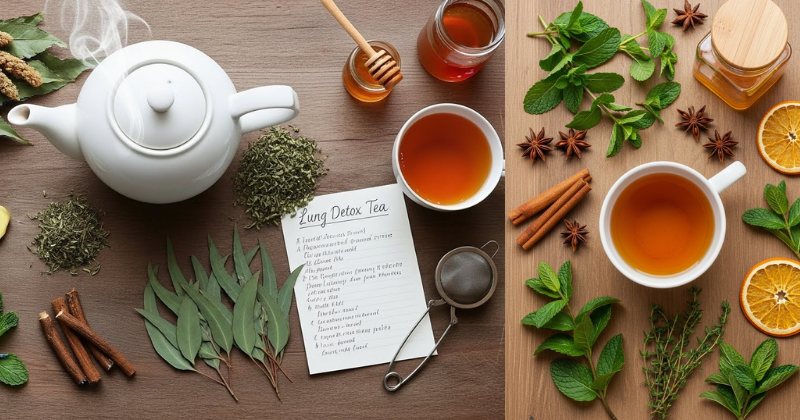
Discover the best herbal tea recipe for lung detox naturally. Learn how to use mullein, ginger, and turmeric to clear your airways and breathe easily today.
Have you ever felt like your breathing was just a little bit shallow, or noticed a lingering heaviness in your chest after a long day in the city? In our modern world, our lungs are constantly working overtime to filter out dust, pollutants, and seasonal allergens. It is easy to take the simple act of breathing for granted until it feels restricted. But imagine waking up and taking a deep, effortless breath that fills your chest with pure energy. Today, you are going to discover an incredible herbal tea recipe for lung detox that acts as a gentle vacuum for your respiratory system. This isn’t just a warm drink; it is a therapeutic ritual designed to soothe inflammation and clear away the “mental and physical fog” that comes with congestion.
By integrating this natural infusion into your weekly routine, you are choosing a proactive path to respiratory health. This guide provides achievable, step-by-step guidance to help you craft a powerful tonic using ingredients often found in your own kitchen or local herb shop. You have the capability to transform your lung health and unlock a new sense of vitality. Get ready to discover how this ancient wisdom can achieve a total breakthrough for your well-being!

Foundation: The Science of Respiratory Cleansing
Before we start brewing, let’s build your confidence with the basic concepts of how herbs interact with your lungs. Understanding the “why” will help you appreciate every sip of your herbal tea recipe for lung detox.
How Herbs Support Lung Function
The lungs are self-cleaning organs, but they can become overwhelmed by mucus and environmental toxins. Specific herbs contain compounds called “expectorants” and “demulcents.” Expectorants help loosen trapped mucus so your body can clear it out, while demulcents provide a soothing, slimy (in a good way!) layer to irritated tissues.
Key Ingredients for Your Detox
- Mullein Leaf: The superstar of lung health. It has been used for centuries to relax the respiratory muscles and clear congestion.
- Ginger Root: A powerful anti-inflammatory that helps break down toxic accumulation and improves circulation to the lungs.
- Turmeric: Contains curcumin, which helps reduce the systemic inflammation that makes breathing feel tight.
- Peppermint: The menthol acts as a natural decongestant and provides that cooling “open” feeling.
Reassurance for Beginners
If you are new to herbalism, don’t feel overwhelmed! You don’t need to be an expert to see results. You are doing a great job by seeking out natural, supportive ways to care for your body. This herbal tea recipe for lung detox is a gentle, non-judgmental way to start your wellness journey. You have everything you need to succeed!
Step-by-Step: Crafting Your Lung Detox Tea
Ready to fill your mug? Follow these manageable steps to create the ultimate herbal tea recipe for lung detox.
1. Gather Your Ingredients
For a single, potent serving, you will need:
- 1 tablespoon dried Mullein leaf (the base of our detox).
- 1 inch of fresh Ginger root, sliced thin.
- 1/2 teaspoon Turmeric powder (or a few slices of fresh root).
- 5-6 fresh Peppermint leaves (or 1 teaspoon dried).
- 2 cups of filtered water.
- Optional: 1 teaspoon of raw honey (to further soothe the throat).
2. The Brewing Process
- Step 1: Place the water, ginger, and turmeric in a small pot. Bring to a boil and then reduce to a simmer for 5 minutes. This “decoction” method extracts the tough nutrients from the roots.
- Step 2: Turn off the heat and add the mullein and peppermint.
- Step 3: Cover the pot! This is crucial because it keeps the therapeutic volatile oils from escaping with the steam.
- Step 4: Let it steep for 10-15 minutes.
- Step 5: Strain into your favorite mug.
3. Timing for Best Results
Drink this tea in the morning or about an hour before bed. The warm steam alone will help open your airways immediately.
- Internal Link: To create a total sanctuary while you sip, learn about Easy DIY Shower Steamers for Sinus and Cold Relief for a full respiratory reset.
Advanced Strategies: Maximizing Your Airway Clearance
Once you have mastered the basic recipe, share expert-level insights with yourself to take your detox to the next level.
The Power of Steam Inhalation
Before you take your first sip, lean over your mug and inhale the steam deeply through your nose and mouth. This brings the herbal vapors directly into contact with your upper respiratory tract.
- Pro Tip: If you are feeling extra congested, place a towel over your head and the pot for 2 minutes before straining the tea.
Customizing Your Blend
- For Dry Coughs: Add Marshmallow root to the steep. It adds a thick, soothing quality.
- For Smoker’s Recovery: Add a pinch of Thyme. Thyme is rich in thymol, which has strong antimicrobial properties specifically for lung tissue.
- Internal Link: If your lung heaviness is tied to seasonal allergies, you might find relief by using a Homemade All Natural Skin Balm on your chest to soothe skin irritation caused by constant coughing.
Featured Snippet: How often should I drink lung detox tea?
For a focused “cleanse,” drink this herbal tea recipe for lung detox 1 to 2 times daily for 7 days. For general maintenance, especially if you live in a high-pollution area or suffer from seasonal allergies, enjoying a cup 3 times a week is an achievable way to keep your respiratory system clear and resilient.
Troubleshooting: Common Challenges and Solutions
Even the simplest rituals can face obstacles. Here is how to handle them with an empowering mindset:
- “The mullein is scratchy”: Mullein leaves have tiny hairs that can irritate the throat if not strained well.
- Solution: Use a very fine mesh strainer or a coffee filter to ensure your tea is perfectly smooth.
- “I don’t like the taste of turmeric”: It can be a bit earthy.
- Fix: Add a squeeze of fresh lemon and a bit more honey. The acidity of the lemon cuts through the earthiness and adds a Vitamin C boost!
- “I feel a bit more mucus after drinking it”:
- Encouragement: This is actually a sign of success! It means the expectorant herbs are doing their job and moving the “junk” out. Keep going!
- Internal Link: If you find yourself too tired to brew tea every day, check out A Simple Self-Care Ritual That Feels Like a Reset Button to help manage your energy levels.
Maximizing Results: A Holistic Breathwork Lifestyle
Now that you have your herbal tea recipe for lung detox, let’s build upon that success by optimizing your environment and habits.
Clean Air at Home
- Tip: Incorporate “air-purifying” plants like Snake Plants or Peace Lilies into your bedroom.
- Internal Link: To keep your air truly clean, avoid chemical cleaners and use our Magic Cleaning Paste recipe instead to prevent inhaling harsh fumes.
Gentle Movement
- Tip: Practice “Pursed Lip Breathing.” Inhale through the nose for two seconds, and exhale through pursed lips for four. This helps empty the lungs of stale air.
- Internal Link: While focusing on your lungs, don’t forget your joints! Read about The #1 Supplement People Use for Joint Pain Relief Right Now to keep your body moving comfortably as you exercise your breath.
Conclusion: Breathe Deeply, Live Fully
You have now discovered the ultimate herbal tea recipe for lung detox and, more importantly, you have the achievable steps to make it a part of your wellness journey. You have moved from feeling restricted and heavy to being an empowered advocate for your own respiratory health. By following these methods—simmering the roots, steeping the leaves covered, and practicing steam inhalation—you have achieved a strategy for long-term vitality.
The journey to natural health is a rewarding path of self-care. We encourage you to brew your first pot today and feel that first deep, clear breath. You are more than capable of achieving a high-quality, vibrant life using the simple, healing power of herbs.
Important Disclaimer: This article is for informational purposes only and should not replace professional advice. For health-related topics, consult healthcare providers. For financial or legal matters, seek qualified professional guidance. For safety procedures, verify current best practices and local regulations. Individual results may vary, and personal circumstances should always be considered when implementing any suggestions.