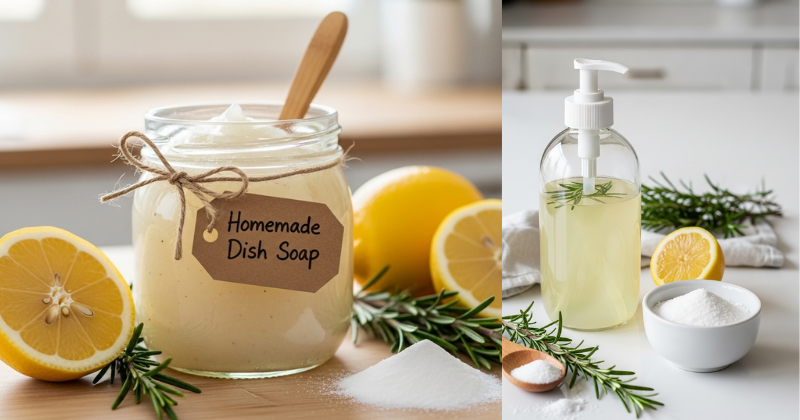
Create your own effective homemade dish soap recipe (from scratch) today. Save money and reduce chemicals with this eco-friendly, powerful grease-cutting solution.
Have you ever flipped over a bottle of conventional dish soap and tried to pronounce the ingredients? It often feels like you need a chemistry degree just to understand what you’re using to clean the plates you eat off of every day. If you are looking to simplify your home, reduce plastic waste, and save a significant amount of money, you are in the right place! Transitioning to a homemade dish soap recipe (from scratch) is one of the most rewarding DIY projects you can undertake.
By making your own soap, you transform a chore into a mindful, eco-friendly practice. You’ll gain the peace of mind that comes from knowing exactly what is touching your skin and your family’s dinnerware. This guide will walk you through the entire process, from selecting the right ingredients to mastering the perfect sudsy consistency. You have the power to create a sparkling clean kitchen without the harsh chemicals or synthetic fragrances. Let’s dive in and unlock the secrets to a cleaner, greener home together!
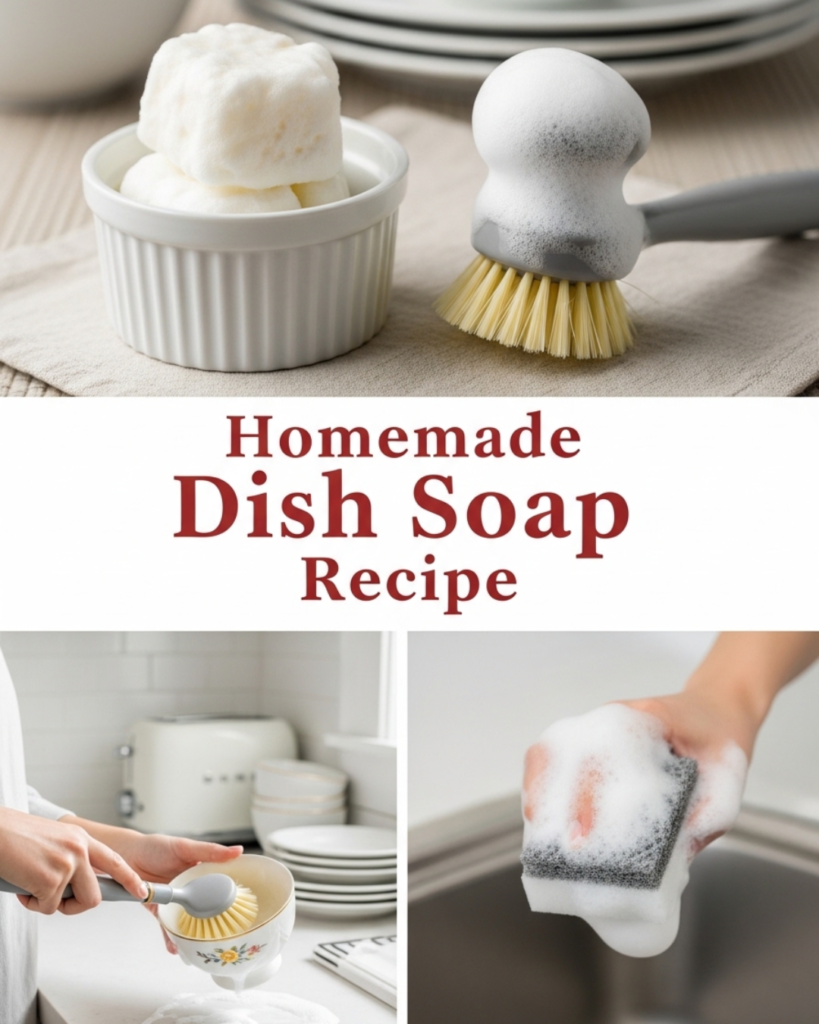
Foundation: Understanding Natural Cleaning Agents
Before we start mixing, it is important to build your confidence with the basic concepts of natural cleaning. Many people hesitate to try a homemade dish soap recipe (from scratch) because they worry it won’t cut through grease as effectively as store-bought brands. However, nature has provided us with incredible surfactants and degreasers that have been used for generations.
The core of any good soap is a balance between a cleaning agent, a grease-cutter, and a skin-soother. When you understand how these components interact, you can stop relying on “mystery” chemicals and start trusting the power of simple ingredients. This foundation is about reclaiming control over your household environment.
H3: The Role of Castile Soap
Liquid Castile soap is the superstar of this recipe. Made from vegetable oils (usually olive oil), it is a natural surfactant that lifts dirt and grime away from surfaces. It is biodegradable, non-toxic, and incredibly versatile.
H3: Why Vinegar and Baking Soda?
While we won’t always mix these two directly in the soap (as they can neutralize each other), they play key roles. Vinegar is an excellent rinse aid that prevents water spots, while baking soda acts as a mild abrasive for those stubborn, burnt-on food particles.
H3: Essential Oils for Function and Fragrance
In a homemade dish soap recipe (from scratch), essential oils do more than just smell good. Lemon and Orange oils contain limonene, a powerful natural degreaser. Tea Tree oil adds antimicrobial properties, ensuring your sponges stay fresh longer.
Step-by-Step Process: Mixing Your Masterpiece
Creating your own soap is an achievable, rewarding task that takes less than ten minutes. This process focuses on a liquid version that works perfectly in a standard pump dispenser or a repurposed dish soap bottle.
Step 1: Gather Your Supplies
To get started, make sure you have the following ready:
- Liquid Castile Soap: 1.5 cups (unscented is best for customization).
- Distilled Water: 1/2 cup (prevents bacterial growth).
- Washing Soda: 1 tablespoon (this increases the “cleaning power” and thickens the soap).
- Vegetable Glycerin: 1 teaspoon (this provides the “sudsy” feel and protects your hands).
- Essential Oils: 15-20 drops of Lemon, Lime, or Grapefruit.
Step 2: The Mixing Method
Don’t just throw everything in at once! Follow these steps for the best texture:
- Warm the distilled water slightly (not boiling) in a small bowl.
- Stir in the washing soda until it is completely dissolved. This step is crucial for a smooth consistency.
- Add the Liquid Castile soap and vegetable glycerin.
- Gently stir—don’t whisk, or you’ll create too many bubbles!
- Once cooled, add your essential oils and stir one last time.
Step 3: Bottling and Labeling
Use a funnel to pour your mixture into a glass or high-quality plastic dispenser. Labeling your creation is a great way to feel a sense of completion. You’ve just successfully moved away from industrial cleaners toward a sustainable, handcrafted alternative!
Advanced Strategies: Pro Tips for Perfection
Now that you’ve mastered the basics, you can share in these expert-level insights to customize your approach. Every household has different needs, and your homemade dish soap recipe (from scratch) can be adjusted to suit yours.
- For Extra Greasy Jobs: If you do a lot of heavy frying, increase the washing soda by an extra teaspoon or add a few drops of natural plant-based sal suds.
- For Hard Water Areas: If you find your soap leaves a film, it’s likely due to mineral content in your water. Adding a teaspoon of citric acid can help counteract this, though it may reduce the suds slightly.
- Custom Scents: Experiment with combinations! A “Kitchen Fresh” blend of 10 drops Lemon and 10 drops Eucalyptus is invigorating, while “Herb Garden” (Rosemary and Mint) is incredibly soothing.
H3: Scaling Up
Once you realize how effective this is, you might want to make a gallon at a time. This is a fantastic way to save even more money. Just ensure you keep your bulk supply in a cool, dark place to maintain the integrity of the essential oils.
Troubleshooting: Common Challenges and Solutions
It is perfectly normal to encounter a few obstacles when switching from synthetic to natural products. Don’t be discouraged by setbacks; they are just part of the learning process!
- Problem: “My soap is too watery.”
- Solution: Homemade soap doesn’t contain the synthetic thickening agents found in commercial brands. If you want it thicker, you can slightly increase the amount of washing soda in your next batch or use a foaming soap dispenser, which works perfectly with thinner liquids.
- Problem: “There aren’t enough bubbles.”
- Solution: We are conditioned to think bubbles equal cleaning, but that’s not always true. Synthetic sudsing agents (like SLS) create foam but don’t actually clean. Your Castile soap is still working! If you truly miss the foam, adding more vegetable glycerin can help.
- Problem: “The soap is separating.”
- Solution: Because we aren’t using chemical emulsifiers, some separation is natural. Simply give your bottle a gentle shake before use.
Preventive Measures
To keep your soap fresh, always use distilled or boiled (and cooled) water. Using tap water can introduce bacteria that might cause your soap to spoil over time since this recipe lacks harsh preservatives.
Maximizing Results: A Holistic Clean
To build upon your success with your homemade dish soap recipe (from scratch), consider how it fits into a larger eco-friendly kitchen routine. Maintenance and long-term considerations will help you stay the course.
- The Power of the Soak: Since natural soaps are gentler, give your dishes a 5-minute soak in warm soapy water for tough stains. This allows the surfactants time to break down food bonds without heavy scrubbing.
- Eco-Friendly Scrubbers: Complement your soap with wooden dish brushes or loofah sponges. These are biodegradable and much more hygienic than plastic sponges.
- Internal Linking Ideas: This DIY spirit can extend to other areas of your home. You might enjoy learning about [DIY Immunity Booster Powder] to keep yourself healthy while you work, or addressing your energy levels with [You Are Not Tired, You Are Suffering from Poor Nutrition] to ensure you have the stamina for all your home projects.
Conclusion: Take Pride in Your Sustainable Home
Transitioning to a homemade dish soap recipe (from scratch) is an empowering step toward a more intentional life. You have successfully bypassed the “greenwashed” marketing of big brands and created a high-quality product with your own hands. The benefits are clear: you’re saving money, protecting the environment, and ensuring your home is a safer place for everyone.
Remember, every small change adds up to a massive impact. By choosing to make your own cleaning supplies, you are proving that you don’t need a lab to achieve a sparkling, healthy home. Embrace the process, enjoy the fresh scents, and take pride in your capability to succeed. You’ve unlocked a new level of DIY mastery today!