The vagus nerve plays a powerful role in healing, heart health, and stress regulation, acting as one of the most important communication pathways between your brain and body. As the longest cranial nerve in the human body, it connects vital organs such as the heart, lungs, and digestive system, helping regulate essential functions that keep you balanced and resilient.
When the vagus nerve is functioning well, it activates the body’s relaxation response, slows the heart rate, supports digestion, and helps the body recover from stress. In contrast, chronic stress or lifestyle imbalances may weaken vagal tone, making it harder for the body to regulate inflammation, emotions, and energy levels.
Understanding how the vagus nerve supports healing, heart health, and stress regulation empowers you to work with your body rather than against it. In this guide, you will explore how this remarkable nerve influences physical and emotional well-being, discover practical ways to stimulate it naturally, and learn how small daily habits can strengthen your body’s natural ability to heal and adapt.
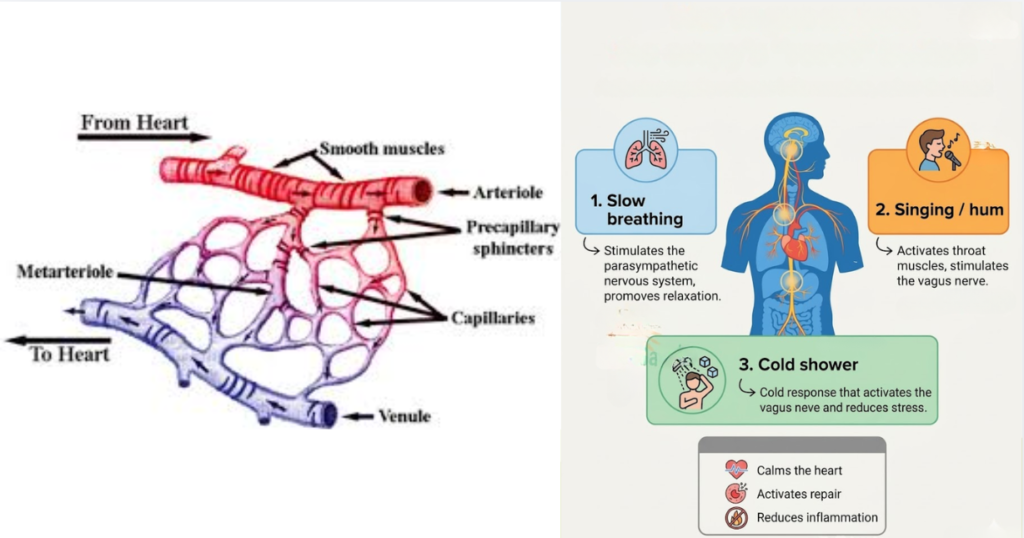
Understanding the Vagus Nerve and Its Role in the Body
The vagus nerve is a central component of the parasympathetic nervous system, often called the “rest and digest” system. This system helps counterbalance the body’s stress response.
What Is the Vagus Nerve?
The vagus nerve is the tenth cranial nerve and extends from the brainstem through the neck and chest to the abdomen.
It communicates with many major organs, including:
- The heart
- The lungs
- The digestive tract
- The liver
- The immune system
Because of its wide reach, the vagus nerve plays a crucial role in regulating multiple body systems.
The Parasympathetic Nervous System
The autonomic nervous system has two main branches:
- Sympathetic nervous system – triggers the “fight or flight” response
- Parasympathetic nervous system – promotes rest, recovery, and healing
The vagus nerve helps activate the parasympathetic system, allowing the body to relax and repair itself.
What Is Vagal Tone?
“Vagal tone” refers to how effectively the vagus nerve regulates bodily functions.
Higher vagal tone is associated with:
- Better emotional resilience
- Improved heart rate regulation
- Reduced inflammation
- Faster recovery from stress
Strengthening vagal tone can significantly improve overall health.
How the Vagus Nerve Supports Healing
One of the most fascinating aspects of the vagus nerve is its ability to influence the body’s healing processes.
The Anti-Inflammatory Response
The vagus nerve helps regulate inflammation through a mechanism known as the cholinergic anti-inflammatory pathway.
This pathway allows the nervous system to communicate with the immune system and control inflammatory responses.
Chronic inflammation is associated with many health conditions, including:
- Cardiovascular disease
- Metabolic disorders
- Autoimmune conditions
By helping regulate inflammation, the vagus nerve supports the body’s natural healing processes.
Communication Between Brain and Organs
The vagus nerve transmits signals between the brain and internal organs.
Interestingly, research suggests that approximately 80% of vagus nerve signals travel from the body to the brain, not the other way around. This means bodily sensations and organ activity can strongly influence emotional and mental states.
Supporting Digestive Health
The vagus nerve also plays an essential role in digestion by helping regulate:
- Stomach acid production
- Intestinal movement
- Nutrient absorption
Healthy vagus nerve activity supports efficient digestion and gut function.
The Vagus Nerve and Heart Health
The vagus nerve has a profound influence on cardiovascular health.
Regulation of Heart Rate
One of the vagus nerve’s key functions is controlling heart rate.
When activated, it releases signals that slow the heart rate and promote calmness. This is why relaxation techniques can quickly reduce heart rate and blood pressure.
Heart Rate Variability (HRV)
Heart rate variability refers to the variation in time between heartbeats.
Higher HRV is generally associated with:
- Stronger vagal tone
- Better stress resilience
- Improved cardiovascular health
Researchers often use HRV as a marker of nervous system balance.
Emotional Regulation and the Heart
Because the vagus nerve connects emotional centers in the brain with the heart, emotional stress can directly affect cardiovascular function.
Practices that strengthen vagal tone may therefore support both emotional and heart health.
How to Naturally Stimulate the Vagus Nerve
Fortunately, several natural practices may help activate the vagus nerve and improve vagal tone.
Deep Breathing Techniques
Slow, diaphragmatic breathing is one of the most effective ways to stimulate the vagus nerve.
To practice:
- Inhale slowly through your nose for about 4–5 seconds.
- Allow your abdomen to expand.
- Exhale slowly for 6–7 seconds.
This breathing pattern activates the parasympathetic nervous system.
Cold Exposure
Brief exposure to cold temperatures may stimulate the vagus nerve.
Examples include:
- Splashing cold water on your face
- Taking short cold showers
- Spending time in cool outdoor environments
Cold exposure triggers physiological responses linked to vagal activation.
Meditation and Mindfulness
Mindfulness practices help calm the nervous system and support vagal tone.
Regular meditation has been associated with:
- Reduced stress hormones
- Improved emotional regulation
- Enhanced nervous system balance
Even a few minutes per day can make a difference.
Troubleshooting: Signs of Low Vagal Tone
When vagal tone is low, the body may struggle to recover from stress effectively.
Possible Signs
Some possible indicators include:
- Persistent fatigue
- Difficulty managing stress
- Digestive discomfort
- Rapid heart rate during minor stress
These symptoms may reflect nervous system imbalance.
Lifestyle Factors That Affect Vagal Function
Certain habits may weaken vagal tone over time, including:
- Chronic psychological stress
- Poor sleep quality
- Sedentary lifestyle
- Nutritional imbalances
Addressing these factors can help restore nervous system balance.
Quick Answer: What Does the Vagus Nerve Do?
The vagus nerve helps regulate many vital body functions, including:
- Heart rate control
- Stress regulation
- Digestion
- Inflammation management
- Emotional balance
Because it connects the brain with major organs, it plays a key role in healing, heart health, and stress regulation.
Maximizing Vagus Nerve Health for Long-Term Wellness
Supporting the vagus nerve is not about one single technique—it involves consistent lifestyle habits.
Maintain Regular Physical Activity
Exercise supports nervous system balance and improves heart rate variability.
Activities that may support vagal tone include:
- Walking
- Yoga
- Swimming
- Moderate aerobic exercise
Movement helps the nervous system stay flexible and adaptive.
Prioritize Sleep and Recovery
Sleep allows the nervous system to reset and recover.
Healthy sleep habits include:
- Maintaining a consistent sleep schedule
- Limiting screen exposure before bedtime
- Creating a relaxing nighttime routine
Quality sleep supports both vagal tone and immune function.
Explore Related Wellness Topics
If you want to deepen your understanding of nervous system health, consider exploring topics such as:
- Breathing techniques for stress reduction
- The gut–brain connection in digestion
- How chronic stress affects the immune system
- Natural ways to improve heart rate variability
These topics complement the understanding of vagus nerve function.
Conclusion: Unlocking the Body’s Natural Reset System
The vagus nerve is often described as the body’s natural reset button—a powerful pathway that supports healing, heart health, and stress regulation. By connecting the brain with vital organs, it plays a central role in maintaining balance throughout the body.
When you strengthen vagal tone through healthy lifestyle habits such as mindful breathing, regular movement, and stress management, you help your body recover more efficiently and respond to challenges with greater resilience.
By learning how the vagus nerve works and nurturing its function, you can unlock a deeper level of well-being—supporting both physical health and emotional balance for the long term.
Important Disclaimer: This article is for informational purposes only and should not replace professional advice. For health-related topics, consult healthcare providers. Individual results may vary, and personal circumstances should always be considered when implementing any suggestions.