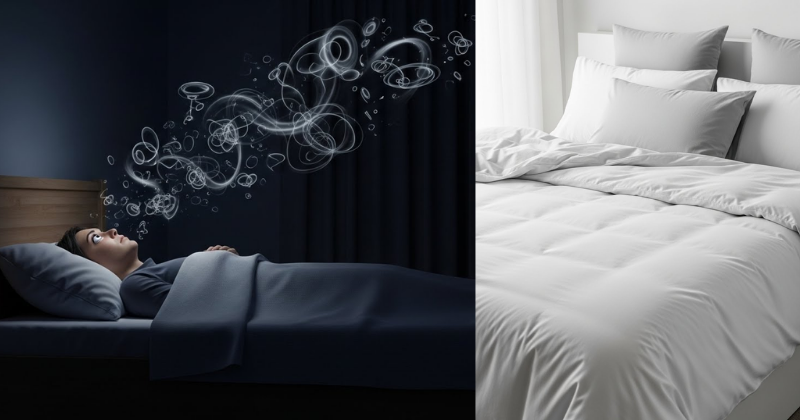
Learn how to beat sleep anxiety and have deep refreshing sleep every night. Discover natural rituals and expert tips to calm your mind and reclaim your rest today.
Have you ever found yourself staring at the ceiling at 2:00 AM, your mind racing through every mistake you made in 2014 or worrying about a meeting that hasn’t even happened yet? You are not alone. That heavy feeling of dread as the sun goes down is often the result of “somniphobia” or general nighttime worry. The good news is that you don’t have to be a victim of your racing thoughts. Today, you are going to learn how to beat sleep anxiety and have deep refreshing sleep every night using science-backed rituals and a mindset shift that empowers you to take control of your bedroom environment.
By choosing to implement these intentional habits, you are giving your nervous system the permission it needs to power down. This isn’t just about closing your eyes; it’s about a functional transformation of your recovery process. You have the capability to achieve a peaceful mind and a revitalized body right in your own home. Get ready to discover how these achievable changes can achieve a total breakthrough in your daily energy levels and emotional well-being!

Foundation: Building Confidence in Your Ability to Sleep
Before we dive into the specific steps, let’s build your confidence with the basic concepts of why sleep anxiety happens and how we can reverse it. Understanding the foundation of your biological clock is the first step toward reclaiming your nights.
The Cycle of Sleep Anxiety
Sleep anxiety is essentially a “fear of not sleeping.” When you worry about being tired the next day, your body releases cortisol and adrenaline. These “alertness” hormones make it physically impossible for your brain to enter deep sleep. The key to learning how to beat sleep anxiety and have deep refreshing sleep every night is breaking this cycle by convincing your brain that the bed is a “safe zone,” not a “battleground.”
The Power of Circadian Rhythms
Your body has an internal clock called the circadian rhythm. This clock is influenced by light, temperature, and routine. When your rhythm is off, your brain doesn’t know when to release melatonin, the sleep hormone.
- Light Cues: Blue light from phones mimics daylight, keeping you awake.
- Consistency: Going to bed at the same time every day helps “train” your brain.
Reassurance for Beginners
If you have struggled with insomnia for years, you might feel like you are “broken.” You are not! Sleep is a natural biological function, much like breathing. You aren’t learning a new skill; you are simply removing the obstacles that prevent your body from doing what it already knows how to do. You are doing a great job by seeking a natural path to rest!
Step-by-Step: The Nightly Protocol for Rest
Ready to transform your bedroom? Follow these manageable steps to implement a routine that signals to your brain that it is time to shut down.
1. The “Power-Down” Hour (60 Minutes Before Bed)
You cannot expect your brain to go from 100 mph to 0 in a second.
- The Action: Set a “digital sunset.” Turn off all screens 60 minutes before you intend to sleep.
- The Environment: Dim the lights in your house to mimic the setting sun.
- Internal Link: To make your room feel more like a sanctuary, use The Cozy Home Tip That Makes Any Room Feel Instantly Cleaner to remove visual stress before you lie down.
2. The Sensory Bridge (30 Minutes Before Bed)
Use your senses to pull yourself into the present moment.
- The Method: Take a warm bath or shower. As your body cools down afterward, it triggers a natural drop in body temperature that signals sleep.
- The Scent: Use lavender or cedarwood to anchor your brain to relaxation.
- Internal Link: Learn How to Make Aesthetic Homemade Candles That Smell Like a Luxury Store to create a calming, low-light atmosphere for your bedside table.
3. The Cognitive Dump (10 Minutes Before Bed)
If your anxiety stems from “unfinished business,” get it on paper.
- The Procedure: Write down everything you are worried about or need to do tomorrow.
- The Result: Once it is on paper, your brain feels it has “stored” the information safely and no longer needs to keep it in active memory.
Advanced Strategies: Pro Tips for Deep Recovery
Once you have mastered the basic routine, share expert-level insights with your own routine by adding creative variations to handle high-stress periods.
The “4-7-8” Breathing Technique
This is a powerful tool for learning how to beat sleep anxiety and have deep refreshing sleep every night.
- Pro Tip: Inhale for 4 seconds, hold for 7, and exhale loudly for 8. This specific ratio forces your heart rate to slow down and engages the vagus nerve, which is the “brake pedal” for your stress response.
Using Temperature as a Tool
Studies show that the ideal temperature for deep sleep is around 65°F (18°C).
- Advanced Hack: Use a weighted blanket. The “Deep Pressure Touch” from a weighted blanket increases serotonin and decreases cortisol, acting like a firm hug for your nervous system.
- Internal Link: If physical tension is keeping you awake, apply a DIY Headache Balm to your temples to soothe the muscle tightness that comes from a long day at the computer.
Featured Snippet: What is the best way to stop racing thoughts at night?
The best way to stop racing thoughts at night is a technique called Cognitive Shuffling. Pick a neutral word like “BEDTIME.” Visualize an object for each letter (B-Ball, E-Elephant, D-Drum). This occupies the brain’s analytical centers with non-emotional imagery, making it impossible to focus on anxieties and allowing the brain to drift naturally into a dream state.
Troubleshooting: Overcoming Common Sleep Obstacles
Even with a perfect plan, challenges arise. Here is how to handle them with an encouraging and empowering mindset:
- “I’ve been lying here for 20 minutes and I’m still awake”: This is the most common hurdle. Action: Get out of bed! Go to a different room, do a boring task in low light (like folding socks), and only return to bed when you feel sleepy. This prevents your brain from associating the bed with being awake and frustrated.
- “I wake up at 3:00 AM and can’t go back to sleep”: This is often a blood sugar spike or a stress response.
- Prevention: Avoid alcohol and heavy sugar before bed.
- Alternative: Instead of checking the clock, practice a body scan meditation, focusing on the weight of your toes, then your ankles, and working your way up.
- “My partner’s snoring is the source of my anxiety”: Your environment matters.
- Solution: High-quality earplugs or a white noise machine are essential tools, not signs of weakness.
- Internal Link: If your snoring is related to seasonal allergies, try a Homemade Congestion Remedy | Amish Fire Water to clear your airways before bed.
Maximizing Results: Holistic Life Habits for Sleep
Now that you have the nightly routine down, build upon your success by looking at your daytime habits. Sleep doesn’t start at 10:00 PM; it starts the moment you wake up.
Morning Sunlight Exposure
- Tip: Try to get 10-15 minutes of direct sunlight into your eyes (without sunglasses) within 30 minutes of waking up. This sets your “internal timer” to release melatonin 14-16 hours later.
- Internal Link: Use A Gentle Morning Habit That Makes Your Face Glow All Day to combine your sun exposure with a routine that makes you feel confident and energized.
Strategic Caffeine Management
- Maintenance: Caffeine has a “half-life” of about 6 hours. This means if you have a coffee at 4:00 PM, half of it is still in your system at 10:00 PM.
- Recommendation: Try to have your last cup of caffeine by noon to ensure your brain is clear by bedtime.
- Internal Link: If you are cutting back on caffeine, learn How to Use Cloves for Better Digestion in a Natural Way to keep your energy and gut health high without the jitters.
Conclusion: Reclaim Your Right to Rest
You have now discovered how to beat sleep anxiety and have deep refreshing sleep every night and, more importantly, you have the achievable steps to make it a reality. You have moved from being a frustrated bystander to an empowered architect of your own rest. By following these methods—managing light, utilizing cognitive shuffling, and maintaining a cool environment—you have achieved a strategy for long-term health.
The journey to better sleep is an achievable and rewarding path. We encourage you to start your “digital sunset” tonight! You are more than capable of achieving a state of deep, restorative sleep. You deserve to wake up feeling refreshed and ready to conquer the world.
Important Disclaimer: This article is for informational purposes only and should not replace professional advice. For health-related topics, consult healthcare providers. For safety procedures, verify current best practices and local regulations. Individual results may vary, and personal circumstances should always be considered when implementing any suggestions.