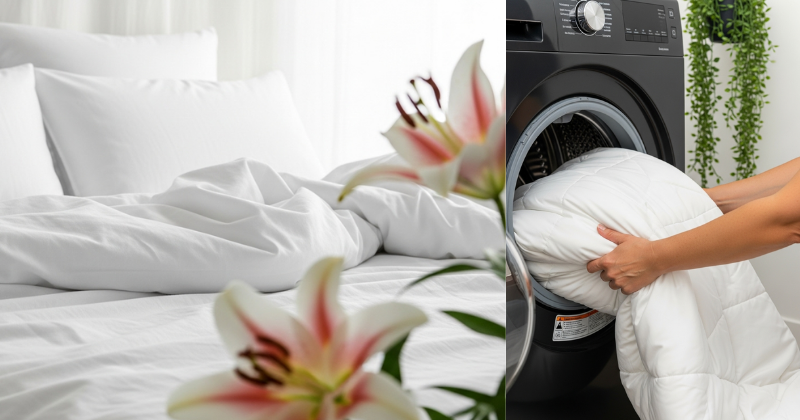
Waking beneath sheets marked by night’s exertions—those telltale yellow halos and persistent dampness—feels like discovering evidence of battles fought while unconscious. Removing sweat from sheets isn’t merely a laundry task but an act of restoration, transforming fabric that has absorbed your body’s nocturnal chemistry back into the crisp sanctuary where dreams begin. This journey into textile renewal reveals that sweat stains, stubborn as they seem, surrender to understanding and the right constellation of techniques.

Understanding Sweat’s Signature: The Chemistry of Nocturnal Perspiration
Before we wage war against sweat stains, we must understand our adversary. Human perspiration carries more than water—it’s a complex solution of salts, proteins, urea, and oils. When these compounds meet cotton or linen fibers, they create chemical bonds that deepen over time, oxidizing into those characteristic yellow or brown discolorations that haunt our otherwise pristine bedding.
Night sweating serves essential physiological purposes: temperature regulation during sleep cycles, hormonal fluctuations, and the body’s natural detoxification processes. Some people perspire heavily due to medical conditions, while others simply run hot during sleep. Understanding this helps us approach stain removal without judgment—our bodies are doing exactly what they’re designed to do.
The Stain’s Timeline: Fresh Versus Set-In Perspiration
Fresh sweat stains respond to treatment like willing students. The compounds haven’t yet oxidized, the proteins haven’t bonded deeply with fabric fibers, and removal becomes straightforward. Set-in stains, those that have survived multiple wash cycles or sat untreated for weeks, require more persuasive methods. They’ve formed relationships with your sheets that demand patient negotiation rather than aggressive force.
Fabric Considerations: Cotton, Linen, and Synthetics
Natural fibers like cotton and linen absorb sweat differently than synthetic materials. Cotton’s porous structure draws moisture deep into its fibers, while polyester blends tend to hold perspiration on the surface. This fundamental difference influences our removal strategies—what works brilliantly for Egyptian cotton might prove less effective for microfiber blends.
The Foundation: Pre-Treatment Rituals That Transform Results
Successful sweat removal begins before your sheets ever see the washing machine. Pre-treatment creates the conditions for stain molecules to release their grip, preparing the fabric for the deeper cleansing to come.
Strip your bed immediately after noticing sweat stains if possible. The longer perspiration sits on fabric, the more thoroughly it bonds with fibers. Fresh stains contain moisture that helps carry cleaning solutions deeper into the weave, making treatment more effective.
The Cold Water Soak: Patient Dilution
Fill your bathtub or a large basin with cold water—never hot, which sets protein stains permanently. Submerge the affected sheets completely, ensuring every inch of stained fabric swims in this preliminary bath. Cold water begins the gentle dissolution of salts and water-soluble compounds without cooking proteins into the fabric.
Let the sheets soak for thirty minutes to two hours, depending on stain severity. I’ve learned to use this waiting period for other tasks, transforming what could feel like wasted time into a meditation on patience. The water gradually becomes cloudy as it pulls away the first layer of perspiration residue.
Enzymatic Pre-Treatment: Nature’s Stain Warriors
Enzyme-based cleaners contain biological catalysts that break down proteins, the primary culprits in sweat stain yellowing. Apply enzyme cleaner directly to stained areas, working it gently into the fabric with your fingers or a soft brush. The enzymes literally digest the protein molecules, transforming them from stubborn stains into water-soluble compounds.
Allow the enzyme treatment to work for at least fifteen minutes—I often leave it for an hour when dealing with particularly stubborn yellowing. The product needs time to complete its molecular transformation. During this window, the enzymes work invisibly, dismantling bonds that regular detergent cannot touch.
Core Cleaning Methods: Arsenal of Restoration Techniques
Armed with understanding and proper pre-treatment, we now deploy the primary weapons in our sweat-removal arsenal. These methods range from gentle natural solutions to more assertive commercial products, offering options for every preference and stain intensity.
Baking Soda and Vinegar: The Dynamic Duo
This classic combination creates a powerful one-two punch against perspiration stains. Mix four tablespoons of baking soda with a quarter cup of water to form a paste. Spread this paste generously over stained areas, working it into the fabric fibers. The alkaline baking soda neutralizes acidic sweat compounds while its mild abrasiveness lifts discoloration.
After thirty minutes, spray white vinegar directly onto the baking soda paste. The fizzing reaction you witness isn’t just satisfying theater—it’s active chemistry. This effervescent moment signals the creation of carbon dioxide bubbles that help lift stain particles from deep within the fabric weave. Once the fizzing subsides, wash the sheets in cold water with your regular detergent.
I discovered this method during a period when I preferred natural cleaning solutions, and its effectiveness surprised me. The yellow halos that had resisted multiple washings faded dramatically, returning my sheets to their original brightness without harsh chemicals.
Hydrogen Peroxide: Oxidation Reversal
Hydrogen peroxide works as a mild bleaching agent that’s safe for most fabrics, including colors. Mix equal parts three-percent hydrogen peroxide with water in a spray bottle. Saturate stained areas thoroughly, ensuring the solution penetrates the fabric completely.
The peroxide oxidizes the organic compounds responsible for yellowing, essentially reversing the chemical process that created the stain. Allow it to sit for one hour, occasionally misting with additional solution to keep the area damp. For white sheets, you can use undiluted peroxide for more aggressive treatment, though always test on an inconspicuous area first.
Sunlight amplifies hydrogen peroxide’s effectiveness. If weather permits, treat your sheets and lay them in direct sunlight for an hour before washing. The combination of peroxide and UV radiation creates a powerful brightening effect that commercial bleaches struggle to match.
Oxygen Bleach: Color-Safe Power Cleaning
Oxygen bleach (sodium percarbonate) offers bleaching power without the harshness of chlorine bleach. It breaks down into hydrogen peroxide and washing soda when dissolved in water, creating an effervescent cleaning solution that’s safe for colors and gentle on fabrics.
Dissolve oxygen bleach powder in hot water according to package directions, then add enough cold water to create a comfortable soaking temperature. Submerge your pre-treated sheets and allow them to soak for two to eight hours—overnight works beautifully for heavily stained items. The longer soak time allows the oxygen bleach to work its molecular magic thoroughly.
After soaking, wash the sheets normally. You’ll notice the water in your washing machine appears surprisingly dirty—that’s all the perspiration residue finally releasing its hold. This method has rescued sheets I’d almost given up on, bringing them back from the brink of donation.
Dish Soap and Salt: The Unexpected Combination
For fresh sweat stains, this simple method works remarkably well. Mix one tablespoon of dish soap (the kind designed to cut grease) with two tablespoons of table salt. The dish soap targets the oils in perspiration while salt acts as a gentle abrasive and draws moisture from the stain.
Create a paste and work it directly into damp fabric, rubbing gently in circular motions. The salt crystals provide just enough texture to lift stain particles without damaging delicate weaves. Leave for thirty minutes, then rinse thoroughly under cold water before machine washing.
This became my go-to method for travel situations, when I needed to address hotel sheet stains with only items from the bathroom and kitchen. Its simplicity belies its effectiveness.
Advanced Strategies: Professional-Level Techniques for Stubborn Staining
When standard methods prove insufficient, these advanced approaches offer escalated intervention for the most determined sweat stains—those that have survived months of regular laundering and seem permanently bonded to your sheets.
Aspirin Paste: Salicylic Acid Solution
Crush four regular aspirin tablets (not coated varieties) into fine powder. Mix with just enough water to create a spreadable paste. This paste contains salicylic acid, which breaks down protein-based stains through chemical exfoliation.
Apply the aspirin paste thickly over yellow stains and let it work for two to three hours. The paste will dry and may cake slightly—this is normal. The salicylic acid penetrates deeply during this extended contact time, addressing discoloration at the molecular level. Brush off dried paste, rinse, and launder normally.
Lemon Juice and Sun: Nature’s Bleaching Collaboration
Lemon juice contains citric acid, a natural bleaching agent that works synergistically with sunlight. Saturate stained areas with fresh lemon juice, ensuring complete coverage. Immediately place the sheets in direct, strong sunlight.
The combination of citric acid and UV radiation creates a powerful whitening effect through a process called photodegradation. The sun’s energy activates the citric acid, which then breaks down the chromophores (color-causing molecules) in sweat stains. Check progress every thirty minutes, reapplying lemon juice if the fabric dries.
I learned this technique from my grandmother, who swore that nothing brightened linens like lemon and sunshine. Watching yellow stains fade before my eyes under summer sun felt like witnessing alchemy—ancient wisdom validated by modern chemistry.
Steam Treatment: Heat-Activated Restoration
For synthetic-blend sheets that can tolerate higher temperatures, steam treatment offers penetrating cleaning power. Hang damp, pre-treated sheets and direct a handheld steamer at stained areas. The concentrated heat and moisture combination softens and lifts stain compounds while the steam’s pressure helps flush them from fabric fibers.
Work systematically across each stain, maintaining the steamer about two inches from fabric. The visual transformation happens remarkably quickly—within minutes, you’ll see yellowing diminish as heat mobilizes trapped compounds. Follow immediately with cold water rinsing to flush loosened residue before it can resettle.
Troubleshooting Persistent Challenges: When Stains Resist
Even with proper technique, some sweat stains prove exceptionally stubborn. These scenarios require diagnostic thinking and adjusted approaches rather than simply repeating failed methods.
The Deodorant Factor: Aluminum Compound Complexity
Yellow stains that resist all treatment often contain aluminum compounds from antiperspirants rather than pure sweat. These metal-based stains require acid treatment for removal. Create a solution of one part white vinegar to two parts water, soak affected areas for one hour, then follow with baking soda paste application before laundering.
The vinegar dissolves aluminum compounds that cause yellowing, while subsequent baking soda neutralizes remaining acids and lifts discoloration. This two-stage approach addresses the chemical complexity that simple cleaning cannot touch.
Hard Water Interference: Mineral Deposit Complications
If your sweat-removal efforts consistently fail despite proper technique, hard water might be sabotaging your success. Minerals in hard water bind with detergent and stain compounds, creating new discoloration while preventing effective cleaning.
Add a half cup of borax or washing soda to your wash cycle to soften water and enhance detergent performance. Alternatively, install a water softener if hard water affects multiple household tasks. This infrastructure solution transforms every future laundry load.
Fabric Damage Versus Staining: Knowing When to Accept
Sometimes what appears as a stain is actually permanent fabric damage—the fibers themselves have degraded from repeated perspiration exposure. If sheets feel thin, brittle, or show texture changes alongside discoloration, no stain removal technique will restore them. This represents the natural end of their lifecycle.
Recognize this distinction to save yourself frustration. Sheets are meant to be used, loved, and eventually replaced. There’s wisdom in accepting when restoration becomes impossible.
Prevention and Maintenance: Protecting Future Nights
The most effective sweat removal happens before stains set. These preventive strategies minimize perspiration’s impact, extending your sheets’ pristine appearance and reducing intensive cleaning needs.
Mattress Protectors and Moisture Management
Waterproof, breathable mattress protectors create a barrier that prevents sweat from reaching and staining sheets from beneath. Modern versions allow air circulation while blocking moisture, maintaining sleep comfort while offering protection. This single investment dramatically reduces yellowing on bottom sheets where body contact is most constant.
Layer a moisture-wicking mattress pad over your protector for additional absorption. These pads draw perspiration away from your body and sheets, allowing it to evaporate rather than saturating fabric. The result is drier sleep and cleaner linens.
Regular Washing Schedules: The Power of Consistency
Wash sheets weekly rather than waiting for visible staining. This frequency prevents sweat accumulation and the deep bonding that creates stubborn yellow stains. Fresh perspiration rinses away easily; aged deposits require aggressive intervention.
I noticed a dramatic reduction in staining when I committed to Sunday sheet changes. The ritual became meditative—stripping the bed, starting laundry, enjoying lunch while sheets washed, then the satisfaction of remaking the bed with sun-dried linens. Prevention disguised as self-care.
Bedroom Temperature and Ventilation
Reducing night sweating at its source minimizes staining naturally. Keep your bedroom between sixty and sixty-seven degrees Fahrenheit—the optimal temperature range for sleep. Use fans to increase air circulation, which helps evaporate perspiration before it saturates sheets.
Choose breathable bedding materials like cotton, linen, or bamboo rather than synthetic fabrics that trap heat and moisture. Natural fibers allow better airflow and moisture wicking, keeping you drier throughout the night.
The Restoration Mindset: Embracing Textile Care as Self-Care
Removing sweat from sheets transcends household chores—it’s an act of caring for the space where you restore yourself nightly. Clean, fresh sheets contribute to better sleep quality, which affects every aspect of wellbeing. The time invested in proper stain removal returns dividends in rest and comfort.
I’ve learned to view sheet care as meditation rather than drudgery. The repetitive motions of pre-treatment, the patience required for soaking, the satisfaction of watching stains fade—these moments ground me in the present and remind me that maintenance, properly approached, becomes mindfulness.
Your sheets hold you through dreams and darkness, absorbing not just sweat but the essence of your nightly journey into rest. Treating them with attention and proper care honors that relationship. When you slip between truly clean sheets—fabric restored to brightness, fibers soft and welcoming—you’re not just enjoying clean linens. You’re experiencing the tangible reward of understanding, patience, and technique working in harmony.
Remove sweat from your sheets with confidence now. You possess the knowledge, the methods, and the understanding to transform even stubborn yellowing back to brightness. Each stain removed is a small victory, each restored sheet a canvas prepared for the artwork of rest.