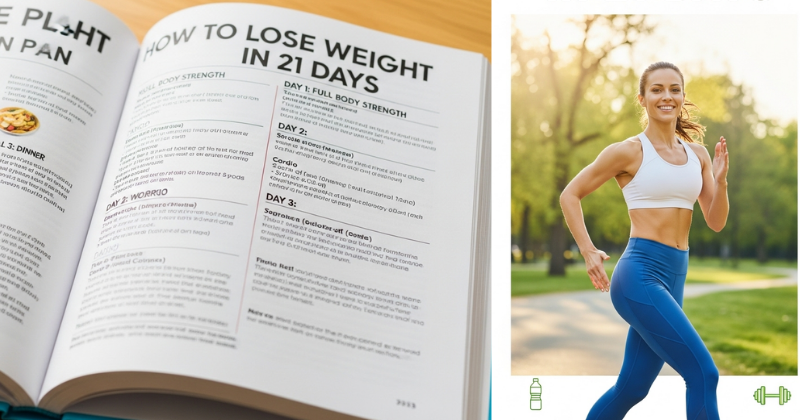
Learn how to lose weight in 21 days with this comprehensive, science-backed guide. Discover the system to jumpstart your metabolism and achieve lasting results.
Important Disclaimer: This article is for informational purposes only and should not replace professional advice. For health-related topics, consult healthcare providers. For safety procedures, verify current best practices and local regulations. Individual results may vary, and personal circumstances should always be considered when implementing any suggestions.
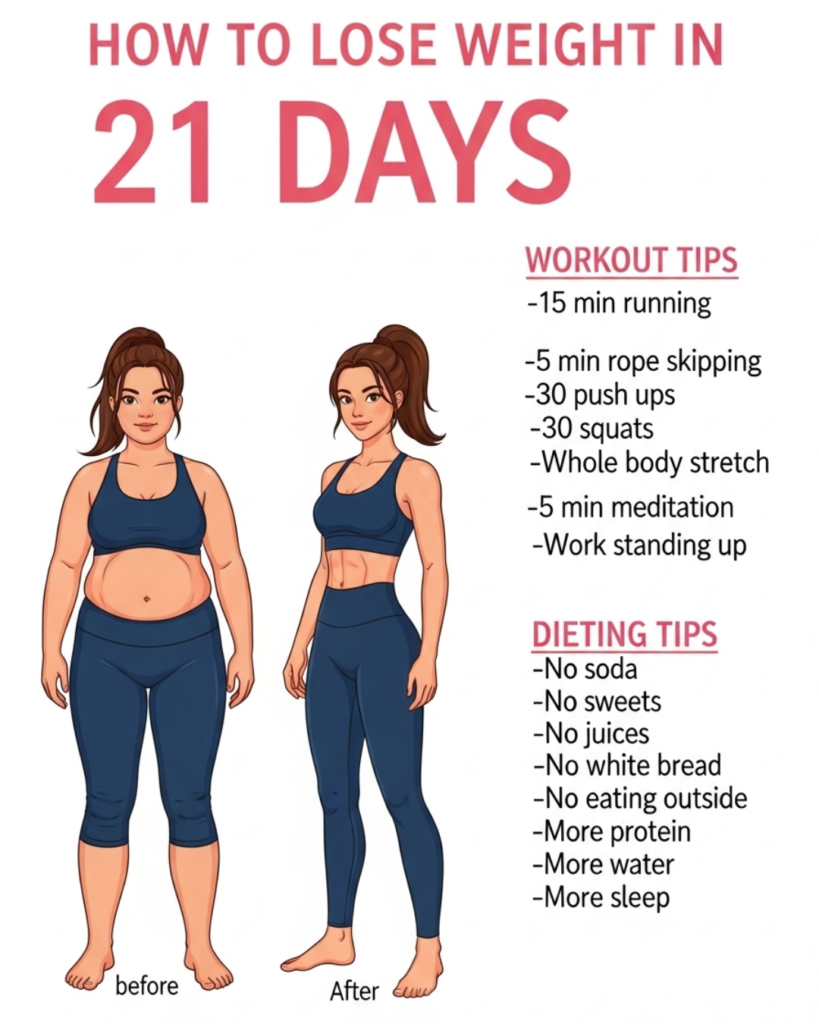
Have you ever looked at the calendar and realized you have a major event, a vacation, or a personal milestone just three weeks away? It is a common feeling to want to look and feel your absolute best in a short amount of time. While fad diets often promise the world and deliver nothing but hunger, learning how to lose weight in 21 days is about more than just a quick fix—it is about creating a powerful “reset” for your body. By using this window of time strategically, you can shed stubborn fat, decrease bloating, and build the momentum needed for a lifelong transformation.
In this guide, we are going to unlock a proven system that balances nutrition, movement, and mindset. You will gain the tools to achieve visible results without sacrificing your vitality. You have the capability to reclaim your health, and these next 21 days are the perfect canvas to start your masterpiece. Let’s dive into how you can achieve your weight loss goals with confidence and enthusiasm!
Foundation: The Science of the 21-Day Reset
Before you begin your journey, it is vital to understand the “why” behind the process. Three weeks is the “Goldilocks” zone of habit formation—it is long enough to see significant physiological changes but short enough to maintain high levels of motivation.
The Math of Weight Loss
To lose weight, your body must enter a caloric deficit, meaning you burn more energy than you consume. However, a deficit alone isn’t enough; the quality of your fuel determines whether you lose muscle or fat. By focusing on high-thermogenic foods (foods that require more energy to digest), you can naturally increase your metabolic rate. This is a core component of [sustainable lifestyle changes] that prioritize long-term health.
Managing Expectations
For beginners, the first week often brings a rapid drop in “water weight” as your body sheds excess glycogen and inflammation. This is a great sign! It means your system is cleaning house. As you move into weeks two and three, the focus shifts to fat oxidation. Reassurance is key here: even if the scale slows down, your clothes will start to fit differently as your body composition changes.
Key Pillars of Success
- Insulin Management: Keeping blood sugar stable to prevent fat storage.
- Hydration: Using water to flush out metabolic waste.
- Restorative Sleep: Allowing your hormones (ghrelin and leptin) to regulate hunger naturally.
Step-by-Step: Your 3-Week Action Plan
Breaking down the process into manageable phases makes the goal of learning how to lose weight in 21 days feel achievable. Here is your roadmap for the next three weeks.
Week 1: The Detox and Prime Phase
In the first seven days, the goal is to eliminate inflammatory triggers and “wake up” your digestive system.
- The Action: Remove added sugars, processed flours, and alcohol. Replace them with leafy greens, lean proteins, and healthy fats.
- The Shortcut: Start every morning with a glass of warm lemon water. This simple [daily habit] helps prime your liver for fat metabolism.
Week 2: The Intensity and Flow Phase
Now that your energy is stabilizing, it is time to increase your physical activity.
- The Method: Incorporate “NEAT” (Non-Exercise Activity Thermogenesis). This means walking 10,000 steps a day in addition to three 20-minute sessions of high-intensity interval training (HIIT).
- The Focus: HIIT is incredibly effective for short-term goals because it creates an “afterburn” effect, where your body continues to burn calories for hours after the workout is over.
Week 3: The Refine and Sustain Phase
This week is about fine-tuning your results and preparing for life after the 21 days.
- The Method: Practice “Mindful Eating.” Slow down your meals and listen for fullness cues. This prevents the “rebound effect” often seen after short-term programs.
- The Goal: You are now cementing the [wellness habits] that will keep the weight off for good.
Advanced Strategies: Pro Tips for Rapid Results
If you want to maximize your 21-day window, these expert-level insights will help you customize your approach and overcome any plateaus.
Strategic Intermittent Fasting
One of the most powerful ways to accelerate fat loss is a 16:8 fasting window (fasting for 16 hours, eating during 8). This allows your insulin levels to drop low enough and stay low long enough that your body begins burning stored body fat for fuel. It is a brilliant way to [unlock your body’s natural fat-burning potential].
The Power of Protein Leverage
Your body spends significantly more energy processing protein than it does fat or carbs. By ensuring that 30-35% of your daily calories come from protein, you stay fuller longer and protect your lean muscle mass. This is a “pro-tip” that ensures the weight you lose is fat, not the muscle that keeps your metabolism high.
Featured Snippet: How can I lose 10 pounds in 21 days safely?
To lose weight quickly and safely in 21 days, focus on a high-protein, low-carbohydrate diet that eliminates processed sugars and alcohol. Combine this with Intermittent Fasting (16:8) and daily movement, such as 30 minutes of brisk walking and three weekly HIIT sessions. Staying hydrated with at least 3 liters of water daily and ensuring 7–9 hours of sleep are critical for hormonal balance and fat oxidation.
Troubleshooting: Common Challenges and Solutions
Setbacks are a natural part of any journey. Here is how to handle them and keep moving forward.
“I hit a plateau in the middle of week 2.”
- The Solution: This is often due to “metabolic adaptation.”
- The Fix: Try a “Refeed Day” where you slightly increase your healthy carbohydrate intake (like sweet potatoes or quinoa) for 24 hours. This signals to your thyroid that you aren’t starving, which can jumpstart your metabolism again.
“I’m feeling ‘hangry’ or low on energy.”
- The Advice: Check your electrolytes!
- The Strategy: When you lose water weight early on, you also lose sodium, potassium, and magnesium. Add a pinch of sea salt to your water or eat half an avocado. This is an essential [wellness tip] to keep your brain sharp and your mood positive.
“I have a social event that involves food.”
- The Strategy: Use the “One Plate Rule.” Fill half your plate with vegetables, one-quarter with protein, and one-quarter with whatever you like. This allows you to participate without derailing your 21-day progress.
Maximizing Results: Life Beyond Day 21
The goal isn’t just to lose weight for 21 days; it is to use this time as a springboard for a brand-new lifestyle.
The 80/20 Rule
Once you finish the 21-day push, transition to an 80/20 lifestyle. Eat clean 80% of the time, and allow yourself flexibility for the other 20%. This ensures your success is sustainable and prevents the “all or nothing” mentality that leads to weight regain.
Resistance Training for Long-term Success
While cardio is great for the 21-day sprint, building muscle is the secret to keeping the weight off. Muscle is metabolically active tissue. The more you have, the more calories you burn while sitting still. Consider [incorporating strength training] into your routine twice a week following your initial 21-day reset.
Conclusion
Understanding how to lose weight in 21 days is about empowering yourself with a system that works with your biology, not against it. You have spent the last few minutes discovering that transformation is not a mystery—it is a series of small, intentional choices. By following this 3-week roadmap, you are not just changing your reflection in the mirror; you are unlocking a more energetic, confident version of yourself.
You’ve got this! Your journey begins with your very next meal. Choose the version of yourself that is healthy, vibrant, and capable.