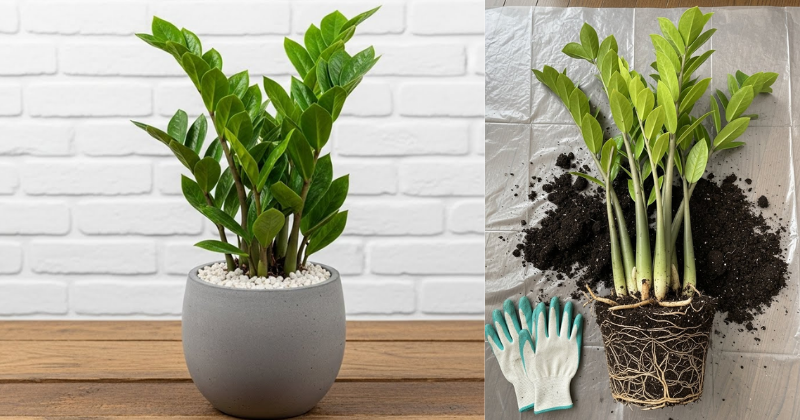
Transform your ZZ plant from a sparse collection of stems into a lush, full masterpiece that commands attention in any space. Making a ZZ plant bushier involves understanding its unique growth patterns, optimizing environmental conditions, and implementing strategic propagation techniques that encourage abundant rhizome development and stem production. This resilient beauty, scientifically known as Zamioculcas zamiifolia, possesses an extraordinary capacity for fullness when nurtured with intention and botanical wisdom. Through patient cultivation and targeted interventions, you’ll discover how to coax your ZZ plant into becoming the verdant, sculptural specimen you’ve always envisioned—a living testament to the quiet power of mindful plant stewardship.
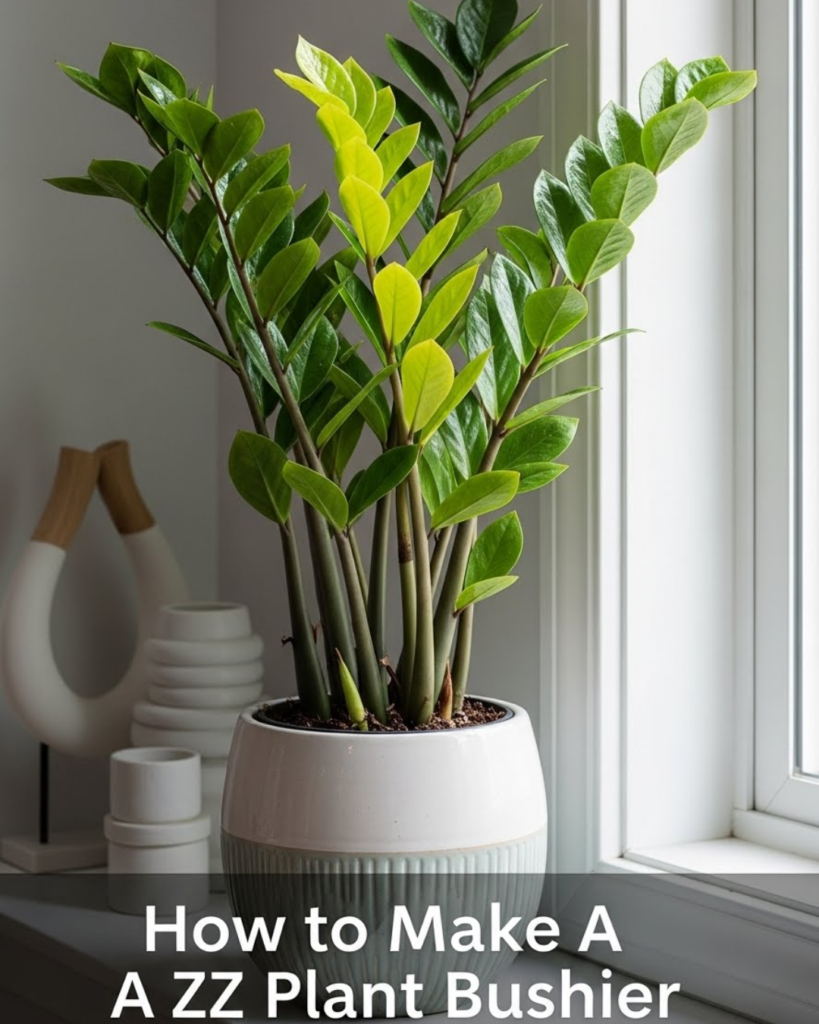
Understanding the Sacred Architecture of ZZ Plant Growth
The ZZ plant grows through an underground revelation—a network of potato-like rhizomes that store water, nutrients, and dreams of future stems. Each glossy stem emerges from these subterranean treasures like a dancer taking the stage, fully formed and purposeful. Unlike plants that branch from existing stems, the ZZ plant creates bushiness through rhizome multiplication beneath the soil surface, a hidden choreography that transforms sparse into spectacular.
The Rhizome Revelation
These fleshy underground structures function as both storage organs and growth engines, quietly accumulating energy before sending forth new stems in their own mysterious timing. A single rhizome can produce multiple stems over its lifetime, but the true secret to a bushier plant lies in encouraging rhizome division and multiplication. When you understand that fullness begins below ground rather than above, your entire approach to ZZ plant care shifts from hopeful waiting to strategic nurturing.
The rhizomes communicate with each other through chemical signals, coordinating growth patterns and resource allocation in ways science is only beginning to understand. This underground intelligence means your plant knows exactly when conditions favor expansion, when to conserve energy, and when to explode with new growth.
Natural Growth Cycles and Patience
ZZ plants follow their own temporal rhythm, one measured in months rather than weeks. New stems emerge slowly, deliberately, like thoughts forming in meditation. During active growth periods—typically spring and summer—you might witness several new shoots pushing through the soil, each one a small miracle of architectural perfection. The plant’s patience teaches us about authentic growth: there are no shortcuts to genuine fullness, only steady accumulation of living architecture.
Creating Optimal Conditions for Abundant Growth
Light becomes poetry in the life of a ZZ plant. While these remarkably adaptable beings tolerate low light with grace, bushier growth demands brighter illumination—a conversation with photons that fuels rhizome vitality and stem production. Place your plant where indirect light bathes its glossy leaves for several hours daily, creating the energetic abundance that translates into vegetative expansion.
The Light-Growth Dance
Bright, indirect light stimulates the plant’s metabolic processes, encouraging the rhizomes to invest energy in producing new stems rather than merely maintaining existing ones. East or west-facing windows offer ideal conditions, providing gentle morning or afternoon sun without the harsh intensity that could scorch those precious waxy leaves. In dimmer spaces, your ZZ plant survives admirably but rarely achieves the lush fullness possible under better illumination.
Consider rotating your plant every few weeks, ensuring all sides receive equal light exposure. This simple ritual prevents lopsided growth and encourages symmetrical stem distribution, the hallmark of a truly magnificent specimen.
Soil as Foundation, Water as Catalyst
The soil beneath your ZZ plant should feel like a well-draining embrace—supportive yet never suffocating. Mix standard potting soil with perlite, coarse sand, or pumice to create a medium that allows excess water to escape while retaining just enough moisture to sustain those thirsty rhizomes. Heavy, compacted soil becomes a prison that stunts growth; light, airy mixtures become launching platforms for abundance.
Watering represents a meditation on restraint. Allow the soil to dry completely between waterings, then provide a thorough soaking that reaches every root. This cycle of feast and famine mimics the plant’s native African habitat and triggers growth responses deep within the rhizomes. Overwatering breeds rot and stagnation; proper watering rhythm cultivates vigor and multiplication.
Strategic Propagation for Instant Fullness
The fastest path to a bushier ZZ plant involves multiplication through division—taking a sparse plant and transforming it into a full one by adding more rhizomes to the same container. This technique bypasses years of patient waiting, creating immediate visual impact while giving you additional plants to share or position elsewhere.
The Sacred Act of Division
When your ZZ plant has developed multiple rhizomes—usually after two or three years of growth—you can carefully unpot it and examine the underground network. Gently separate the rhizomes, ensuring each division includes healthy roots and at least one stem. Some growers find this process almost meditative, a tangible connection with the plant’s hidden architecture.
Replant several divisions together in a larger container, spacing them evenly to create the illusion of one magnificently full plant. This clustering technique produces instant results that would otherwise require years of natural growth. Each rhizome continues developing independently while contributing to the collective visual abundance.
Stem Cutting Propagation for Patient Gardeners
For those who cherish the journey as much as the destination, propagating individual stems or leaflets offers another pathway to bushiness. Cut healthy stems at the base, allow the cut end to callus for a few hours, then place in water or moist soil. Over several months, these cuttings develop their own rhizomes, which can eventually be added to your parent plant’s pot.
This method demands patience—rhizome formation takes three to six months or longer—but provides deep satisfaction for those who appreciate botanical alchemy. Each successful rooting represents a small victory, a collaboration between your care and the plant’s inherent will to survive and multiply.
Advanced Techniques for Maximum Lushness
Fertilization becomes a conversation about potential. During the growing season, offer your ZZ plant diluted liquid fertilizer monthly, providing the nutritional building blocks for rhizome expansion and stem production. Choose a balanced formulation with equal nitrogen, phosphorus, and potassium, diluted to half the recommended strength to prevent root burn.
The Fertilization Philosophy
Think of fertilizer as encouragement rather than requirement. ZZ plants survive without supplemental nutrition, but they rarely thrive into the lush specimens possible with strategic feeding. The nutrients stimulate rhizome growth and energy storage, translating into more frequent stem production over time. Cease feeding during fall and winter when the plant naturally slows its growth rhythm.
Some experienced growers swear by adding worm castings or compost to the soil surface, creating a slow-release nutrition source that mimics natural forest floor conditions. This organic approach provides sustained feeding without the risk of chemical buildup.
Pruning for Purpose and Renewal
While ZZ plants require minimal pruning, strategic removal of old, damaged, or yellowing stems redirects energy toward new growth. Use clean, sharp scissors to cut stems at soil level, creating space and resources for emerging shoots. This selective editing keeps your plant looking fresh while encouraging the rhizomes to produce replacement stems.
Consider this pruning practice a form of energetic housekeeping—removing what no longer serves to make room for what wishes to emerge. Each cut is an invitation for renewal, a clearing of space for future abundance.
Troubleshooting Common Challenges on Your Journey
Even with devoted care, ZZ plants sometimes resist bushiness, maintaining a sparse appearance that frustrates hopeful gardeners. Understanding common obstacles helps you adjust your approach and create conditions that finally unlock that coveted fullness.
When Growth Stalls Mysteriously
If your plant produces no new stems despite months of care, investigate the root system. Pot-bound rhizomes, cramped in containers too small for expansion, cannot develop new growth points. Examine whether roots circle the pot’s perimeter or emerge from drainage holes—signs that repotting into a larger container would unleash dormant potential.
Conversely, pots that are excessively large encourage rhizomes to focus on root development rather than stem production. Choose containers just two inches wider than the current one, maintaining that sweet spot between cramped and cavernous.
The Yellow Leaf Mystery
Occasional yellowing of older leaves represents natural senescence, the plant’s way of recycling nutrients from aging foliage. However, widespread yellowing often signals overwatering or root rot—conditions that halt new growth and threaten existing stems. If you notice this pattern, unpot the plant immediately, inspect the rhizomes for soft, mushy areas, and remove any rotted sections before repotting in fresh, dry soil.
Prevention remains simpler than cure. Trust the soil dryness test: push your finger two inches deep, and water only when completely dry at that depth. This simple practice prevents most ZZ plant problems while creating the slightly stressful conditions that paradoxically encourage robust growth.
Understanding Seasonal Dormancy
During winter months, ZZ plants naturally slow their metabolism, producing few if any new stems regardless of care quality. This dormancy period frustrates gardeners expecting continuous growth, but accepting these natural rhythms prevents over-intervention that could harm the plant. Reduce watering frequency, eliminate fertilization, and trust that spring will bring renewed vitality and stem production.
Maximizing Long-Term Bushiness and Vitality
Creating a truly spectacular ZZ plant requires thinking in years rather than months, cultivating conditions that support sustained growth and ever-increasing fullness. The most magnificent specimens result from consistent, patient care that honors the plant’s unique biology.
The Repotting Ritual
Every two to three years, refresh your plant’s soil and evaluate whether a larger container would support continued expansion. Choose a pot with excellent drainage, fill with your well-draining mixture, and position the rhizomes at the same depth they previously grew. This periodic repotting prevents soil compaction, refreshes nutrients, and provides space for rhizome multiplication—the foundation of lasting bushiness.
Some growers time their repotting to early spring, just as new growth begins, allowing the plant to quickly establish in its new home and maximize the growing season ahead.
Creating Community Through Clustering
The bushiest ZZ plants often result from strategic clustering—planting multiple individuals or divisions in the same container to create instant fullness. Space these companion rhizomes evenly throughout the pot, allowing each enough territory to thrive while contributing to overall visual density. As they grow, their stems interweave naturally, creating the appearance of one extraordinarily lush plant rather than multiple sparse ones.
This technique works especially well with young plants or recent divisions that would take years to achieve fullness individually. Together, they create immediate impact while each continues developing its own root system and future stems.
Embracing the Journey with Gratitude
Perhaps the most important element in cultivating a bushier ZZ plant is releasing attachment to specific timelines. These plants grow at their own pace, responding to optimal conditions with steady rather than explosive growth. Each new stem represents a gift, a visible manifestation of the care you’ve provided and the plant’s inherent drive toward expansion.
Celebrate small victories: a new shoot emerging from the soil, rhizomes visible through drainage holes indicating healthy growth, the subtle increase in stem count over seasons. This mindful appreciation transforms plant care from a task into a meditation, deepening your connection with the living architecture you’re nurturing.
Conclusion
Making a ZZ plant bushier is an exercise in botanical understanding, strategic intervention, and patient devotion. By optimizing light, perfecting watering rhythm, utilizing propagation techniques, and creating conditions that encourage rhizome multiplication, you transform a sparse collection of stems into a lush, architectural specimen. Remember that bushiness begins beneath the soil in those remarkable rhizomes, and your care focuses on nurturing this hidden foundation. Whether through division, clustering, or simply providing ideal conditions for natural expansion, you possess the knowledge to unlock your plant’s full potential. Trust the process, honor the plant’s timeline, and watch as your ZZ gradually transforms into the verdant masterpiece you envisioned—proof that patience, knowledge, and mindful care create beauty that cannot be rushed but only carefully cultivated.