
Creating therapeutic arnica oil at home represents an elegant convergence of botanical medicine and accessible wellness practice, offering relief for muscular discomfort through centuries-tested phytochemical compounds. This oil infusion harnesses Arnica montana‘s anti-inflammatory properties, transforming dried flowers into a potent topical preparation that addresses post-exercise soreness, minor bruising, and musculoskeletal tension.
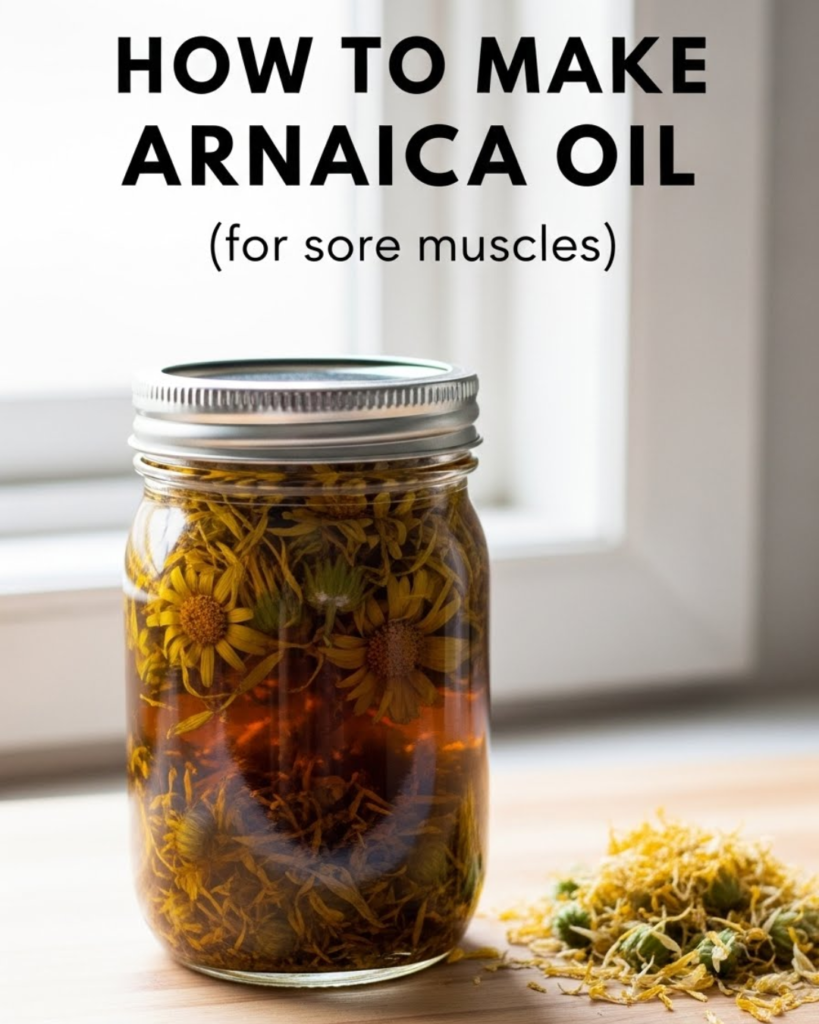
Understanding Arnica’s Therapeutic Mechanisms and Historical Context
The medicinal application of arnica extends deep into European folk medicine traditions, where mountain populations recognized this alpine plant’s remarkable capacity to address traumatic injuries and muscular inflammation. Contemporary pharmacological research validates these traditional uses through documented mechanisms involving sesquiterpene lactones and flavonoid compounds.
Arnica montana, commonly known as mountain arnica or leopard’s bane, thrives in subalpine meadows across Europe’s mountainous regions. The plant produces characteristic yellow-orange flowers containing helenalin and dihydrohelenalin—sesquiterpene lactones that demonstrate significant anti-inflammatory activity through inhibition of nuclear factor kappa-B (NF-κB), a protein complex controlling inflammatory gene expression.
These bioactive compounds function by modulating the inflammatory cascade at multiple intervention points. Helenalin binds to cysteine residues in NF-κB, preventing its translocation to the nucleus and subsequent activation of pro-inflammatory cytokine production. This molecular mechanism explains arnica’s clinical effectiveness in reducing edema, alleviating pain, and accelerating tissue repair following muscular microtrauma.
Pharmacological Profile of Arnica Compounds
Beyond sesquiterpene lactones, arnica flowers contain flavonoids including quercetin and kaempferol derivatives, phenolic acids, and essential oils contributing to the plant’s therapeutic profile. Flavonoids provide additional antioxidant protection, neutralizing reactive oxygen species generated during inflammatory processes and muscular exertion.
The synergistic interaction between these phytochemical classes—termed the “entourage effect” in botanical medicine—produces therapeutic outcomes exceeding isolated compound activity. This biochemical complexity distinguishes whole-plant preparations from pharmaceutical single-molecule approaches, offering multifaceted anti-inflammatory action with reduced adverse effect potential.
Clinical Evidence and Research Perspectives
Systematic reviews examining topical arnica applications demonstrate statistically significant improvements in osteoarthritis pain, post-surgical recovery, and exercise-induced muscle soreness compared to placebo controls. A meta-analysis of randomized controlled trials documented pain reduction comparable to non-steroidal anti-inflammatory drugs (NSAIDs) for certain conditions, though with superior safety profiles regarding gastrointestinal tolerance.
However, methodological limitations including small sample sizes and formulation variability across studies necessitate cautious interpretation. The evidence base, while promising, requires expansion through rigorous, adequately powered clinical trials standardizing arnica preparation methods and concentration parameters.
Comprehensive Preparation Protocol: From Botanical Material to Therapeutic Oil
Creating high-quality arnica oil demands attention to botanical material selection, extraction methodology, and storage protocols that preserve bioactive compound integrity while ensuring safety and efficacy.
Essential Materials:
- 30 grams dried Arnica montana flowers (certified organic preferred)
- 250 milliliters carrier oil (olive, sweet almond, or jojoba oil)
- Clean glass jar with tight-fitting lid (300-400 milliliter capacity)
- Fine-mesh strainer or cheesecloth
- Dark glass storage bottles
- Labels for preparation documentation
Botanical Material Considerations:
Source arnica flowers from reputable suppliers specializing in medicinal herbs, ensuring proper species identification and organic cultivation free from pesticide contamination. Quality indicators include vibrant color retention, intact floral structures, and characteristic aromatic profile. Avoid wildcrafted arnica due to conservation concerns—Arnica montana faces population pressure across its native range, necessitating sustainable sourcing practices.
Carrier Oil Selection Strategy:
Carrier oil choice influences both extraction efficiency and final product characteristics. Olive oil, rich in oleic acid and intrinsic antioxidants, provides excellent stability and skin penetration. Sweet almond oil offers lighter texture with superior absorption for massage applications. Jojoba oil, technically a liquid wax rather than true oil, demonstrates exceptional oxidative stability and mimics skin sebum composition, making it ideal for sensitive skin applications.
Oil Infusion Methodology: Cold Maceration Process
Step 1: Botanical Preparation
Examine dried arnica flowers, removing any stem fragments or debris. While some practitioners recommend gentle crushing to increase surface area, excessive mechanical disruption releases moisture that can compromise extraction quality and promote microbial growth. Leave flowers largely intact, relying on extended maceration time rather than physical disruption for compound extraction.
Step 2: Initial Combination
Place arnica flowers in your glass jar, filling approximately one-third to one-half of container volume. Pour carrier oil over botanical material until flowers are completely submerged with an additional 2-3 centimeters of oil covering the surface. This oil layer prevents atmospheric oxygen contact that would oxidize sensitive compounds while blocking potential microbial contamination.
Step 3: Maceration Period
Seal jar tightly and place in a cool, dark location maintaining temperatures between 15-20°C. Ambient room temperature proves acceptable in most climates, though excessive heat accelerates oil rancidity while extreme cold inhibits compound solubility. Allow maceration to proceed for 4-6 weeks, creating optimal conditions for lipophilic compound extraction from botanical matrix into oil phase.
Agitate the jar gently every 2-3 days, inverting several times to redistribute botanical material and promote uniform extraction. This periodic mixing prevents flower material compaction while ensuring consistent oil-plant contact throughout the maceration period.
Alternative Thermal Extraction Method
For those requiring more rapid preparation, gentle heat application accelerates extraction kinetics, reducing necessary time from weeks to hours. However, thermal methods risk degrading heat-sensitive compounds if temperature control proves inadequate.
Create a double boiler system by placing your botanical-filled jar in a larger pot containing water. Heat water to approximately 40-50°C, maintaining this temperature range for 4-6 hours while monitoring vigilantly to prevent overheating. This method yields usable arnica oil within a single day, though many herbalists argue cold maceration produces superior final product through gentler, more complete extraction preserving volatile compound integrity.
Advanced Optimization Strategies for Enhanced Therapeutic Potency
Beyond basic preparation, sophisticated modifications enable customization addressing specific therapeutic objectives or personal preferences while maximizing bioactive compound content.
Synergistic Botanical Additions
Enhance your arnica oil’s therapeutic profile through complementary herb integration. St. John’s wort (Hypericum perforatum) contributes hypericin and hyperforin, compounds demonstrating nerve pain modulation particularly valuable for neuralgic conditions. Add 10 grams of dried St. John’s wort flowers to your arnica maceration, creating a dual-action preparation addressing both inflammation and neuropathic discomfort.
Calendula (Calendula officinalis) flowers provide additional anti-inflammatory triterpenoids while supporting tissue repair through fibroblast proliferation stimulation. The combination of arnica, St. John’s wort, and calendula creates comprehensive topical preparation addressing multiple aspects of musculoskeletal discomfort—inflammation, pain perception, and tissue regeneration.
Essential Oil Fortification
Following straining but before final bottling, incorporate therapeutic essential oils that complement arnica’s base effects. Peppermint essential oil (10-15 drops per 100 milliliters) provides cooling sensation through menthol’s TRPM8 receptor activation while offering additional analgesic properties. Lavender essential oil contributes calming aromatherapeutic effects alongside documented anti-inflammatory activity.
Wintergreen essential oil, containing high methyl salicylate concentrations, delivers aspirin-like effects topically. However, exercise caution with wintergreen—its potency demands restricted use, particularly for individuals with salicylate sensitivity or those taking anticoagulant medications.
Double Extraction Methodology
For maximum compound extraction, perform sequential macerations using the same botanical material. After initial 4-6 week period, strain oil completely, then return the extracted plant material to the jar with fresh carrier oil for a second 3-4 week maceration. This technique exhaustively extracts remaining lipophilic compounds, yielding more concentrated final product.
Some practitioners employ a circular approach: strain the first batch, use that arnica-infused oil as the carrier medium for fresh arnica flowers in a second maceration cycle. This progressive enrichment method produces exceptionally potent preparations, though practical benefits versus time investment require individual assessment.
Vitamin E Integration for Oxidative Stability
Natural oils undergo oxidative degradation during storage, particularly when exposed to light, heat, or atmospheric oxygen. Incorporate vitamin E (d-alpha tocopherol) at 0.5-1% concentration to extend shelf life while providing additional skin-protective antioxidant benefits. Pierce several vitamin E capsules, mixing their contents thoroughly into strained arnica oil before bottling.
Addressing Common Preparation Challenges and Quality Concerns
Even methodical preparation occasionally presents unexpected difficulties requiring systematic troubleshooting approaches that preserve therapeutic value while ensuring product safety.
Managing Cloudiness or Sediment Formation
Properly prepared arnica oil should appear clear to slightly golden, depending on carrier oil selection and extraction duration. Cloudiness typically indicates inadequate straining or moisture presence. Address this by performing secondary filtration through multiple cheesecloth layers or coffee filters, removing fine particulate matter causing turbidity.
Persistent cloudiness despite thorough straining may indicate water contamination, introducing microbial growth risk. If botanical material wasn’t completely dry before maceration, residual moisture transfers into oil phase, creating potential spoilage conditions. Unfortunately, contaminated preparations require disposal—no remediation method adequately addresses this safety concern.
Detecting and Preventing Rancidity
Oxidative rancidity manifests through characteristic unpleasant odor resembling old crayons or paint, accompanied by color darkening. Prevent rancidity through multiple strategies: select high-quality, fresh carrier oils; store preparations in dark glass away from heat and light; minimize air exposure by using appropriately sized bottles; and incorporate vitamin E as antioxidant protection.
If rancidity develops, discontinue use immediately. Oxidized oils not only lose therapeutic value but may cause skin irritation through lipid peroxide accumulation. Quality arnica oil maintains stability for 12-18 months under proper storage conditions, though annual preparation ensures maximum potency.
Addressing Allergic Sensitivity Concerns
Arnica belongs to the Asteraceae family, which includes ragweed, chrysanthemums, and daisies. Individuals with known sensitivities to these plants may experience allergic contact dermatitis from topical arnica application. Always perform patch testing before widespread use: apply small amount to inner forearm, covering with bandage for 24 hours while monitoring for redness, itching, or irritation.
Never apply arnica oil to broken skin, open wounds, or mucous membranes—internal absorption of sesquiterpene lactones can cause toxic effects. Arnica’s therapeutic application remains strictly topical for intact skin areas experiencing muscular soreness or minor bruising.
Optimizing Extraction Yield and Potency
If your final product seems less potent than expected, evaluate several variables: botanical material quality and age (compounds degrade during storage), maceration duration (insufficient time limits extraction completeness), and botanical-to-oil ratio (too little plant material relative to oil volume). Optimal preparations use approximately 1:8 to 1:10 dried herb-to-oil ratio by weight, ensuring adequate phytochemical concentration in the final product.
Maximizing Therapeutic Applications and Long-Term Wellness Integration
Successful arnica oil utilization extends beyond occasional application, integrating this botanical preparation within comprehensive approaches to musculoskeletal health and recovery optimization.
Application Protocols for Exercise Recovery
Following intense physical activity, muscular microtrauma initiates inflammatory cascades that, while necessary for adaptation, produce uncomfortable soreness. Apply arnica oil generously to affected muscle groups within 2-4 hours post-exercise, massaging thoroughly to enhance tissue penetration and promote circulation.
The combination of arnica’s anti-inflammatory compounds and massage’s mechanical effects creates synergistic recovery enhancement. Repeat applications 2-3 times daily for 48-72 hours post-exercise, the period when delayed-onset muscle soreness (DOMS) peaks. This protocol supports adaptation while minimizing discomfort, enabling consistent training adherence.
Integration with Manual Therapy Practices
Professional and home massage therapists increasingly incorporate botanical oils including arnica into treatment protocols. The oil serves dual purposes: providing slip necessary for effective manual techniques while delivering therapeutic compounds directly to affected tissues.
For self-massage applications targeting specific problem areas—chronically tight shoulders, lower back tension, or overused leg muscles—warm arnica oil slightly (not exceeding body temperature) to enhance absorption and create relaxing sensory experience. Combine with foam rolling, trigger point therapy, or gentle stretching for comprehensive self-care approaches addressing both symptoms and underlying muscular imbalances.
Complementary Natural Pain Management Strategies
Position arnica oil within broader natural wellness approaches addressing musculoskeletal discomfort through multiple modalities. Combine topical arnica application with oral anti-inflammatory support through turmeric, ginger, or omega-3 fatty acids. Implement contrast hydrotherapy—alternating hot and cold applications—alongside arnica treatment for enhanced circulation and inflammation resolution.
Adequate sleep, hydration, and balanced nutrition provide foundational support for tissue repair that topical preparations alone cannot achieve. View arnica oil as valuable component within comprehensive wellness systems rather than isolated intervention, recognizing that optimal outcomes emerge from integrated approaches addressing multiple physiological systems simultaneously.
Creating Complementary Topical Preparations
Expand your natural medicine cabinet by preparing related botanical oils using identical methodology. St. John’s wort oil addresses nerve pain and minor burns, calendula oil supports wound healing and skin inflammation, and comfrey oil (used cautiously and only on intact skin) promotes bone and connective tissue repair. These preparations complement arnica’s effects, enabling tailored treatment protocols for diverse musculoskeletal concerns.
Conclusion
The creation of therapeutic arnica oil represents an accessible entry into botanical medicine practice, demonstrating how traditional plant knowledge integrates with contemporary understanding of pharmacological mechanisms. Through patient maceration of carefully selected botanical material in quality carrier oils, you generate sophisticated topical preparations rivaling commercial products while maintaining complete control over ingredient quality and preparation standards.
Your commitment to crafting this natural remedy honors centuries of herbal wisdom while embracing scientific validation of traditional practices. The relief provided by your homemade arnica oil—whether addressing post-workout soreness, minor sports injuries, or everyday muscular discomfort—reminds us that effective therapeutic interventions need not involve complex synthetic chemistry but can emerge from thoughtful engagement with plant medicine. Each application becomes an opportunity to support your body’s inherent healing capacity through nature’s anti-inflammatory compounds, carefully extracted and respectfully applied.
Important Disclaimer: This article is for informational purposes only and should not replace professional advice. For health-related topics, consult healthcare providers. For financial or legal matters, seek qualified professional guidance. For safety procedures, verify current best practices and local regulations. Individual results may vary, and personal circumstances should always be considered when implementing any suggestions.