
Discover how to make DIY clove mouthwash and the 7 benefits for your oral health. Learn to create a natural, effective rinse that fights bacteria and freshens breath.
Important Disclaimer: This article is for informational purposes only and should not replace professional advice. For health-related topics, consult healthcare providers or dental professionals. Individual results may vary, and personal circumstances should always be considered when implementing any suggestions.
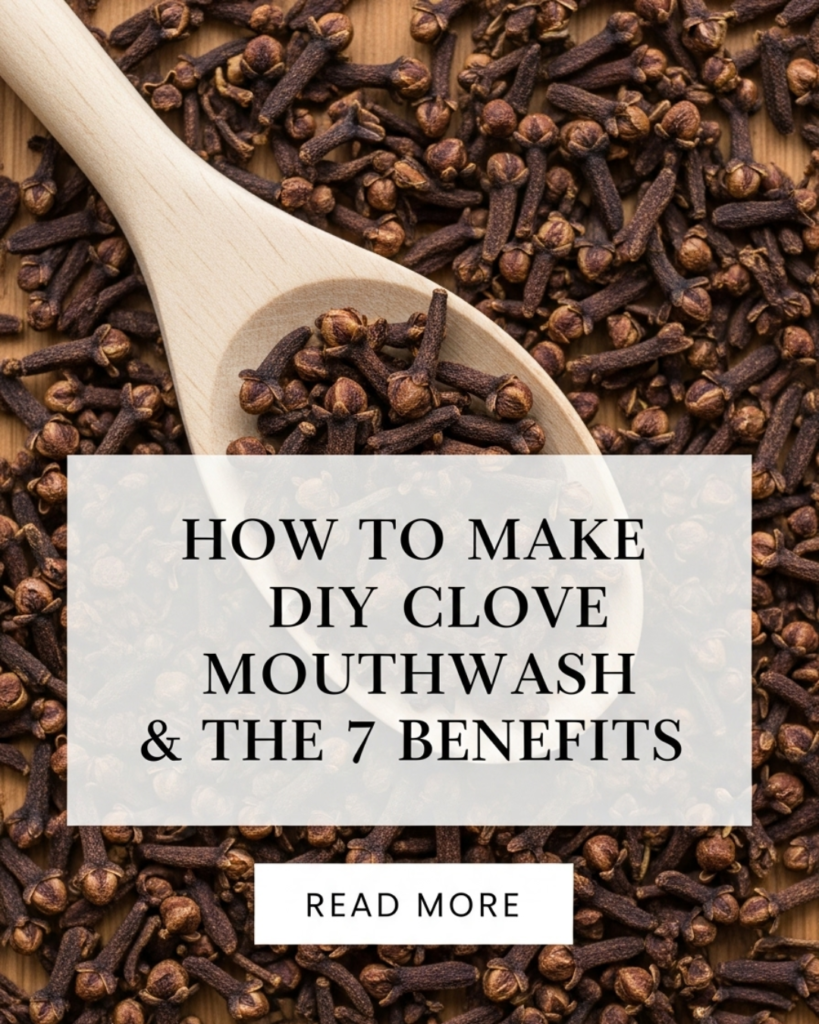
Have you ever looked at the back of your store-bought mouthwash bottle and felt like you needed a chemistry degree just to read the ingredients? Many commercial rinses are packed with artificial dyes, sweeteners, and high concentrations of alcohol that can leave your mouth feeling dry and irritated. If you are looking for a way to prioritize your [wellness-focused lifestyle] while saving money, you are in the right place. Learning how to make DIY clove mouthwash is a powerful way to harness ancient botanical wisdom for modern oral care.
In this comprehensive guide, we are going to unlock the secrets of cloves—a spice that has been a staple in dental health for centuries. You will discover the science behind its antibacterial properties and learn a simple, step-by-step method to brew your own potent rinse at home. You have the capability to transform your morning routine into a natural, spa-like experience. Let’s explore the incredible benefits of this spicy floral bud and achieve a healthier, more radiant smile today!
Foundation: Why Cloves are a Dental Powerhouse
Before we start brewing, it is essential to build confidence in why cloves are the “gold standard” for natural oral hygiene. Understanding the “why” will help you stay committed to this [sustainable lifestyle change].
The Secret Ingredient: Eugenol
The magic of cloves lies in a compound called eugenol. This natural chemical acts as a potent anesthetic and antiseptic. In fact, dentists have used clove oil as a temporary filling material and pain reliever for decades. When you learn how to make DIY clove mouthwash, you are essentially creating a diluted version of this clinical-strength protector. It doesn’t just mask odors; it attacks the bacteria that cause them.
Addressing Common Concerns
A frequent hesitation for beginners is the spicy “heat” of cloves. You might worry that a natural rinse won’t feel as “clean” as a sharp, alcohol-based one. However, the tingle you feel from cloves is actually the eugenol working to soothe your gums and kill pathogens. Unlike alcohol, which can kill the good bacteria in your oral microbiome, clove-based rinses are more selective and gentle. This makes it a perfect choice for those focused on [long-term wellness habits].
The 7 Benefits of Clove Mouthwash
- Fights Bad Breath: Neutralizes sulfur-producing bacteria at the source.
- Soothes Gum Inflammation: Reduces redness and swelling in sensitive gum tissue.
- Natural Pain Relief: Provides a mild numbing effect for tooth sensitivity.
- Antibacterial Action: Inhibits the growth of Staphylococcus aureus and other oral pathogens.
- Plaque Reduction: Helps prevent the sticky film that leads to cavities.
- Alcohol-Free: Maintains natural saliva production to prevent dry mouth.
- Cost-Effective: Uses simple kitchen staples that cost pennies per batch.
Step-by-Step: How to Make DIY Clove Mouthwash
Ready to start? This process is as simple as making a cup of tea. Follow these actionable steps to create your first batch.
1. Gather Your Supplies
- Whole Cloves: Use 1–2 tablespoons of high-quality whole dried cloves.
- Distilled Water: 2 cups of water (distilled is best for shelf life).
- Optional Additives: A cinnamon stick for flavor or a few drops of peppermint essential oil.
- Storage: A glass bottle or jar with a tight-fitting lid.
2. The Brewing Process
- The Boil: Bring the 2 cups of water to a rolling boil in a small saucepan.
- The Infusion: Add the whole cloves (and cinnamon stick, if using). Turn off the heat immediately and cover the pot with a lid. Covering it is crucial because it keeps the volatile oils from escaping with the steam.
- The Steep: Let the mixture sit and cool completely for at least 1–2 hours. For a stronger rinse, you can leave it overnight.
3. Straining and Storing
- The Filter: Use a fine-mesh strainer or cheesecloth to remove the solids. Pour the amber-colored liquid into your glass bottle.
- The Preservation: Store your DIY clove mouthwash in the refrigerator. Because it contains no artificial preservatives, the cool temperature keeps it fresh for about 7–10 days.
Advanced Strategies: Pro Tips for Customizing Your Rinse
Now that you know the basics, let’s share some expert-level insights to help you adapt the recipe to your specific needs.
The “Sensitivity” Blend
If you suffer from extreme tooth sensitivity, add 1 teaspoon of sea salt to your warm clove water. Salt is a natural disinfectant and helps to draw out excess fluid from inflamed gums. This combination is a fantastic [holistic remedy for oral discomfort] that provides immediate relief.
The Whitening Boost
For a brightening effect, you can add a pinch of baking soda to your daily portion of mouthwash. Baking soda is mildly abrasive and helps remove surface stains from coffee or tea. However, don’t add it to the whole bottle at once; mix it in your cup right before rinsing to keep the pH balanced.
Pro-Tip: The “Triple Oil” Method
If you prefer a stronger flavor, you can make a “cold-press” version using essential oils. Mix 1 cup of water with 5 drops of Clove Bud oil, 3 drops of Peppermint oil, and 2 drops of Myrrh oil. Myrrh is highly regarded in [traditional wellness practices] for its ability to support gum health. Always ensure your oils are “Internal Grade” or “Food Grade.”
Troubleshooting: Common Challenges and Solutions
Even with a simple DIY project, you might run into a few questions. Here is how to handle obstacles with ease.
“The taste is too strong or bitter.”
- The Solution: This usually happens if the cloves steeped for too long.
- The Fix: Simply dilute your mouthwash with a little more distilled water until the flavor is comfortable for you. You can also add a drop of stevia if you prefer a sweeter rinse.
“My mouthwash looks cloudy.”
- The Advice: This is normal if you used essential oils or if the cloves were very fresh.
- The Prevention: Always shake the bottle before use to redistribute the natural oils. If it develops an “off” smell, discard it and make a fresh batch.
“Is it safe for kids?”
- The Secret: While cloves are natural, the “tingle” might be too much for little ones.
- The Approach: For children, dilute the mouthwash significantly (1 part clove water to 3 parts plain water). Always supervise them to ensure they spit it out and don’t swallow it.
Maximizing Results: Integrating Natural Care Into Your Life
To build upon your success, consider how this natural rinse fits into a larger oral health strategy.
The Best Time to Rinse
Use your DIY clove mouthwash after flossing and brushing. This ensures the eugenol can reach the clean surfaces of your teeth and the pockets of your gums. It is an excellent [morning ritual] to wake up your senses and start the day with fresh breath.
Complementary Strategies
Combine your mouthwash habit with “Oil Pulling” using coconut oil once a week. Coconut oil helps pull fat-soluble toxins from the mouth, while the clove rinse tackles the water-soluble bacteria. This dual approach is a cornerstone of [comprehensive natural dental care].
Featured Snippet: What does clove mouthwash do for your teeth?
Clove mouthwash provides powerful antibacterial, anti-inflammatory, and analgesic benefits. The active compound, eugenol, kills the bacteria responsible for plaque and bad breath while simultaneously numbing minor tooth pain and reducing gum swelling. Because it is alcohol-free, it helps maintain a healthy oral microbiome without causing the dry mouth often associated with commercial rinses.
Conclusion
Learning how to make DIY clove mouthwash is a rewarding way to take control of your personal care. You have discovered that you have the capability to succeed in creating a high-quality dental product using simple, natural ingredients. By understanding the 7 benefits of cloves, you achieve a level of oral health that is both effective and eco-friendly.
You’ve got this! Start today by grabbing a handful of cloves from your pantry and brewing your first batch. Your mouth will feel fresher, your gums will be healthier, and you’ll enjoy the satisfaction of a DIY win.