
Discover how to make eco-friendly soap without lye using this simple guide. Create custom, natural bars at home safely and unlock the joy of sustainable DIY.
Have you ever wanted to craft your own beautiful, artisanal bars of soap but felt intimidated by the thought of working with caustic chemicals? You aren’t alone. Many people avoid traditional soap making because of the safety risks associated with sodium hydroxide. But what if you could skip the danger entirely and still create high-quality, sustainable cleansers? You are about to discover exactly how to make eco-friendly soap without lye by using the “Melt and Pour” method or plant-based alternatives.
By mastering these techniques, you transform your daily shower into a spa-like experience using ingredients you trust. This guide will empower you to customize scents, textures, and skin-loving benefits without needing a chemistry degree or heavy-duty safety gear. You have the capability to create stunning, professional-grade soaps that are gentle on your skin and the planet. Get ready to achieve beautiful results and unlock your creative potential!
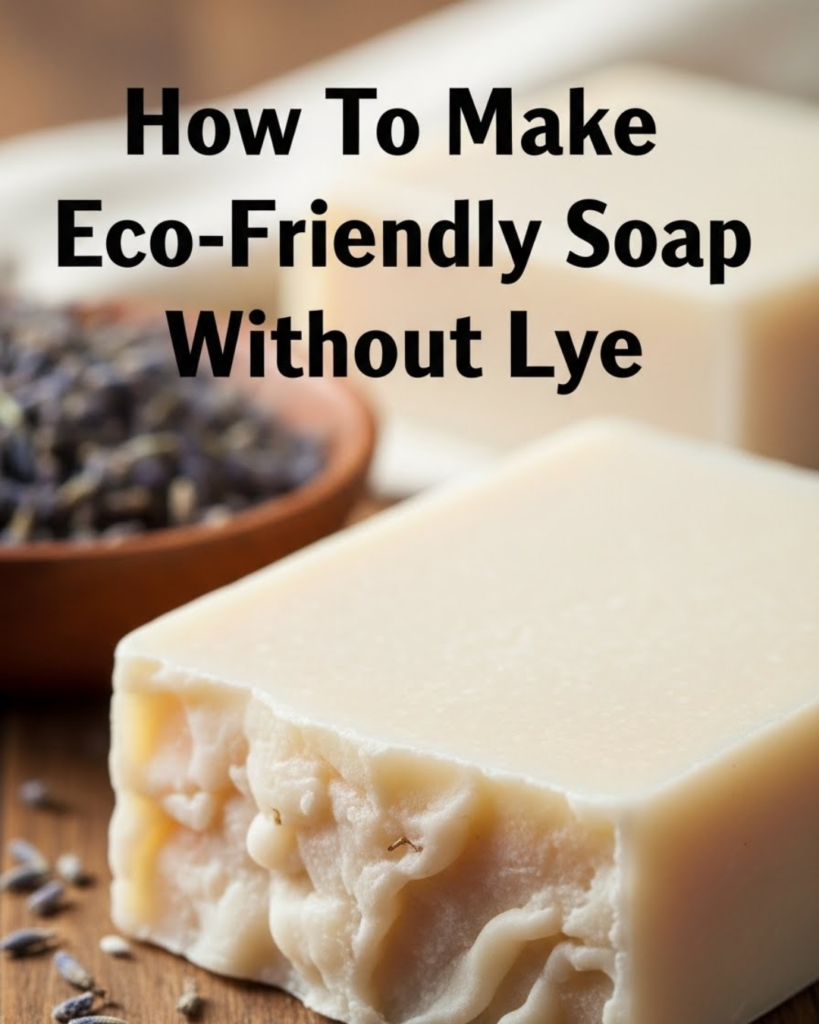
Foundation: Understanding Lye-Free Soap Making
Before we get our molds ready, let’s build your confidence with the basic concepts. To be scientifically accurate, all “true” soap is originally made with lye through a process called saponification. However, you don’t have to be the one handling the lye.
The Melt and Pour Shortcut
The most popular way to learn how to make eco-friendly soap without lye is by using a pre-saponified base. Manufacturers have already done the heavy lifting of mixing fats and lye for you. These bases are safe to handle, easy to melt, and ready to be customized with your favorite natural additives.
Plant-Based Alternatives: Saponins
For those who want a truly “from scratch” experience without any chemical processing, nature provides plants high in saponins. Soapwort, soapberries, and yucca are traditional, eco-friendly cleansers that create a natural lather. While they don’t produce a hard bar of soap, they are fantastic for liquid cleansers and laundry.
Why Go Eco-Friendly?
Commercial soaps often contain synthetic detergents, foaming agents like SLS, and plastic-wrapped packaging. Making your own allows you to:
- Reduce Waste: Reuse containers and skip the plastic bottles.
- Control Ingredients: Use organic oils and natural colorants.
- Protect Waterways: Ensure your soap is biodegradable and free from microplastics.
Step-by-Step: The Melt and Pour Method
Ready to create your first batch? Follow these manageable steps to achieve a perfect, eco-friendly soap bar.
1. Choose Your Eco-Friendly Base
Look for bases made with sustainable ingredients. Options include organic glycerin, goat’s milk, or shea butter. Ensure the base is “SLES and SLS-Free” and check that any palm oil used is RSPO certified to protect rainforests.
2. Prepare and Cut
Cut your soap base into small, uniform cubes (about 1 inch). This ensures that the soap melts evenly without overheating. Use a clean cutting board and a sharp kitchen knife.
3. Gentle Melting
You can use a microwave or a double boiler. If using a microwave, heat in 30-second bursts, stirring in between.
- Pro Tip: Do not let the soap boil! Boiling creates unwanted air bubbles and can change the moisture content of the soap.
4. Add Natural Botanicals and Scents
Once the soap is liquid, remove it from the heat. This is where you can add:
- Essential Oils: Use about 10–15 drops per pound of soap for a natural fragrance.
- Natural Colorants: Use clays, charcoal, or mica powders instead of synthetic dyes.
- Exfoliants: Stir in dried lavender, oatmeal, or poppy seeds.
5. Pour and Set
Carefully pour the mixture into silicone molds. Silicone is eco-friendly because it is durable and reusable for years. Let the soap sit undisturbed at room temperature for at least 2 to 4 hours.
6. Unmold and Enjoy
Once the soap is completely firm, pop it out of the mold. Unlike traditional lye soap, which needs to “cure” for weeks, melt and pour soap is ready to use immediately!
Featured Snippet: Can you make soap completely without lye?
Technically, all soap requires lye for the chemical reaction that creates soap (saponification). However, you can make soap at home without handling lye by using a “Melt and Pour” base. In this method, the lye has already been neutralized by the manufacturer, allowing you to safely melt the base and add your own natural ingredients without any safety risks.
Advanced Strategies: Customizing Your Craft
Once you’ve mastered the basics, share expert-level insights by experimenting with layers and skin-specific formulas.
Creating Therapeutic Blends
You can tailor your soap to your skin’s unique needs. For oily skin, add a teaspoon of bentonite clay to your melted base. For very dry skin, stir in a tablespoon of honey or extra shea butter.
- Internal Link: If you find your skin is still dry after bathing, pair your homemade soap with an easy shea butter salve for dry skin for ultimate hydration.
Embedding and Layering
Try pouring half of your mold with a clear glycerin base and the other half with an opaque goat’s milk base for a beautiful “half and half” look. You can also “embed” small shapes or dried botanicals inside clear soap for a high-end, artistic finish.
Internal Linking Opportunities
- Natural Wellness: If you’re focusing on a non-toxic lifestyle, discover the benefits of beeswax candles for cleaner indoor air.
- Gift Giving: Homemade soaps make excellent DIY handmade gifts for friends and family.
- Kitchen Cleaning: While you’re in a DIY mood, learn how to make DIY homemade compound butters to enjoy a natural treat after your crafting session.
Troubleshooting: Common Soap Challenges
DIY projects occasionally have hiccups, but don’t let them discourage you! Here is how to handle frequent soap-making obstacles:
- “My soap has bubbles on the top”: Spritz the surface with a tiny bit of rubbing alcohol immediately after pouring. This pops the bubbles instantly and leaves a smooth finish.
- “The additives sank to the bottom”: This happens if the soap is too hot and thin. Let the melted soap cool slightly (until a thin skin begins to form) before stirring in your botanicals.
- “My soap is ‘sweating'”: Glycerin is a humectant, meaning it draws moisture from the air. In humid climates, little beads of moisture may form on the bar. To prevent this, wrap your soap in eco-friendly wax paper as soon as it is unmolded.
Preventive Measures
Always keep your workspace clean and dry. Moisture introduced during the melting process can make the final bars feel tacky. Also, ensure you are using heat-safe containers, preferably glass or stainless steel, to avoid leaching chemicals into your soap.
Maximizing Results: Next Level Sustainability
Now that you know how to make eco-friendly soap without lye, build upon your success by optimizing your entire bathroom routine.
Eco-Friendly Storage
Store your bars on a wooden soap dish with good drainage. This prevents the soap from sitting in water, which makes it last much longer. You can also use a natural sisal soap bag to use up those tiny leftover scraps.
Complementary Strategies
- Respiratory Health: Clean air is as important as clean skin; find out why mold keeps coming back in bathrooms to keep your space healthy.
- Body Care: If you have sensitive skin, consider using a DIY face cream with rosehip oil after your shower.
- Joint Comfort: After a relaxing bath with your new soap, look into home remedies for knee swelling to keep your body feeling its best.
Conclusion: Achieve Sustainable Beauty at Home
You have now discovered the safe and creative world of how to make eco-friendly soap without lye. You have moved from being an intimidated observer to an empowered maker who knows how to craft natural, sustainable cleansers. By following these steps, you have ensured that your self-care routine is as kind to the environment as it is to your skin.
The transformation to a more sustainable lifestyle is an achievable and rewarding journey. We encourage you to pick up a melt and pour base this weekend and start experimenting with your own signature scents. You are more than capable of achieving professional results and creating something truly special!
Would you like me to help you create a “Recipe Card” for a calming Lavender and Charcoal soap bar? Your path to beautiful, lye-free soap starts today!
Caption: Pure, safe, and sustainable—craft your own glow!