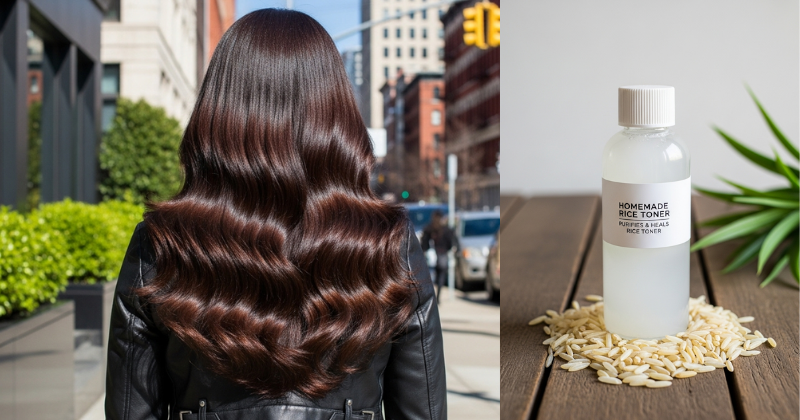
The intersection of traditional beauty practices and contemporary dermatological research reveals fascinating convergences, none more intriguing than the centuries-old ritual of rice water hair treatment. This aqueous extract, celebrated across Asian cultures for generations, now finds validation through modern biochemical analysis that illuminates the molecular mechanisms underlying its reputed benefits for hair health and growth stimulation.
The scientific community has begun documenting what empirical observation long suggested: that rice water contains a complex matrix of bioactive compounds—amino acids, vitamins, minerals, and notably, inositol—capable of penetrating the hair shaft and promoting structural integrity. This article presents a comprehensive, evidence-based exploration of rice water preparation methodologies, application protocols, and the physiological principles governing its effects on hair growth and quality.

The Biochemical Foundation: Understanding Rice Water’s Active Components
Before engaging with preparation techniques, comprehending the scientific substrate of rice water’s efficacy establishes a rational framework for its application. Rice grains contain a sophisticated array of compounds that, when extracted through aqueous methods, create a solution with demonstrable effects on hair structure and follicular activity.
Primary Active Constituents
Rice water’s composition includes multiple classes of bioactive molecules. Amino acids—particularly cysteine, arginine, and threonine—serve as building blocks for keratin synthesis, the structural protein comprising approximately 95% of hair composition. These protein precursors potentially support the anagen (growth) phase of the hair cycle by providing essential substrates for cellular proliferation within the follicle matrix.
Inositol, a cyclic polyol often classified within the B-vitamin complex, represents perhaps the most investigated component regarding hair benefits. Research indicates that inositol penetrates damaged hair cuticles and remains within the cortex even after rinsing, providing sustained structural support and potentially reducing protein loss during washing. This retention capacity distinguishes inositol from many water-soluble compounds and contributes to rice water’s cumulative protective effects.
The mineral content—including magnesium, manganese, and selenium—plays auxiliary roles in enzymatic processes related to hair growth. Selenium, for instance, participates in the synthesis of selenoproteins involved in antioxidant defense mechanisms that protect follicular cells from oxidative stress, a known contributor to premature hair aging and miniaturization.
Vitamins and Their Dermatological Relevance
Rice water contains modest concentrations of B-complex vitamins, particularly niacin (B3), pyridoxine (B6), and biotin (B7). While topical absorption of these water-soluble vitamins remains debated in dermatological literature, their presence may contribute to improved scalp microcirculation and cellular metabolism when applied consistently over time.
The vitamin E content, though minimal, offers potential antioxidant protection against environmental stressors that compromise hair quality. This lipophilic vitamin’s presence in the water-soluble extract remains limited but may provide some degree of free radical scavenging capacity.
Preparation Methodologies: Three Evidence-Based Approaches
Rice water preparation encompasses three primary methodologies, each yielding solutions with distinct concentration profiles and fermentation states. Understanding these variations enables practitioners to select approaches aligned with their specific hair characteristics and desired outcomes.
Method One: Simple Soaking Extraction
This elementary technique involves immersing uncooked rice in room-temperature water, allowing passive diffusion of water-soluble compounds from grain to liquid. The process represents the mildest extraction method, producing a solution with lower concentrations of active constituents but also minimized risk of pH alteration or microbial proliferation.
Protocol Implementation: Begin with half a cup of uncooked rice—white, brown, or jasmine varieties all prove suitable, though white rice typically yields higher starch content. Rinse thoroughly under running water to remove surface contaminants and potential pesticide residues. This preliminary washing step proves essential for hygiene and prevents introduction of unwanted particles into your final preparation.
Place the rinsed rice in a clean glass or ceramic container, adding two to three cups of room-temperature filtered water. The rice-to-water ratio influences final concentration; a 1:4 to 1:6 ratio typically produces optimal results without excessive viscosity. Agitate gently to facilitate initial compound release, then allow the mixture to stand at room temperature for 30 to 45 minutes.
During this soaking period, gentle swirling every 10 to 15 minutes enhances extraction efficiency through mechanical disruption of the grain surface and promotion of diffusion gradients. The water progressively adopts a cloudy, slightly opalescent appearance as starch and proteins disperse into solution.
Strain the mixture through fine mesh or cheesecloth, collecting the liquid while discarding the rice (which remains suitable for consumption if desired). The resulting rice water should be stored in a sealed glass container and refrigerated, maintaining viability for approximately one week.
Method Two: Boiling Extraction for Enhanced Concentration
Thermal extraction employs elevated temperatures to accelerate compound release and increase final solution concentration. This method produces rice water with higher levels of water-soluble vitamins and minerals, though some heat-sensitive compounds may experience partial degradation.
Thermal Protocol: Combine half a cup of rinsed rice with four cups of water in a stainless steel or enamel cooking vessel. Bring to a vigorous boil, then reduce heat to maintain a gentle simmer for 15 to 20 minutes. This extended heating period facilitates maximal extraction of both surface and internal compounds.
Monitor the liquid level, adding small amounts of water if excessive evaporation occurs. The goal involves achieving significant compound extraction while maintaining adequate final volume. Observe the water’s transformation into a distinctly cloudy, starch-rich solution with characteristic viscosity.
Remove from heat and allow cooling to room temperature before straining. The cooling period should not be rushed through refrigeration, as thermal shock may cause precipitation of certain compounds. Once cooled naturally, strain through fine mesh and transfer to a clean storage container.
This heat-extracted rice water demonstrates enhanced stability compared to cold-soaked preparations, maintaining quality for up to two weeks when refrigerated. However, the elevated concentration may require dilution before application, particularly for individuals with fine or sensitive hair.
Method Three: Fermented Rice Water for Optimal Bioavailability
Fermentation represents the most sophisticated preparation approach, utilizing controlled microbial activity to enhance compound bioavailability and generate additional beneficial metabolites. This traditional method, particularly prominent in East Asian hair care practices, produces a solution with altered pH and potentially enhanced penetration characteristics.
Fermentation Protocol: Follow the initial soaking method described previously, but rather than immediate use, transfer the strained rice water to a glass jar and allow it to remain at room temperature for 24 to 48 hours. During this period, naturally occurring Lactobacillus species and other benign microorganisms proliferate, initiating anaerobic fermentation processes.
Monitor the solution for characteristic signs of fermentation: a subtle sour aroma (similar to mild vinegar), slight effervescence, and pH reduction from approximately neutral (7.0) to mildly acidic (4.5-5.5). This acidification parallels hair’s natural pH range, potentially enhancing cuticle closure and improving light reflection for increased shine.
The fermentation process generates additional antioxidants through microbial metabolism and may enhance the bioavailability of certain vitamins and minerals through enzymatic breakdown of complex molecules. Research suggests that fermentation increases the concentration of specific amino acids while modifying the polysaccharide profile of the solution.
Terminate fermentation when the desired acidity is achieved—typically recognizable through scent rather than requiring pH testing equipment. Refrigerate immediately to halt microbial activity. Before application, dilute fermented rice water with an equal volume of fresh water, as the concentrated fermented solution may prove excessively acidic for direct scalp application.
Application Protocols: Optimizing Topical Delivery
The therapeutic efficacy of rice water depends not merely on preparation quality but equally on application methodology. Proper technique ensures adequate contact time, appropriate distribution, and optimal penetration into both scalp tissue and hair shaft structure.
Pre-Application Preparation
Begin with freshly shampooed hair, as clean hair cuticles demonstrate enhanced permeability to water-soluble compounds. The shampooing process temporarily elevates cuticle scales, creating intercellular spaces that facilitate penetration of rice water’s active constituents. Gently towel-dry hair to damp rather than dripping wet state—excess water dilutes applied rice water and reduces contact concentration.
If using refrigerated rice water, allow it to approach room temperature before application. Cold solutions may cause scalp vasoconstriction, potentially reducing follicular blood flow and nutrient delivery. Room-temperature applications prove more comfortable and may enhance absorption through maintenance of normal scalp microcirculation.
Scalp and Length Application Technique
Pour rice water into a spray bottle or application bottle for controlled distribution. Begin at the scalp, sectioning hair systematically to ensure comprehensive coverage. Apply rice water directly to the scalp using gentle massage motions that stimulate superficial blood flow while working the solution into follicular openings.
Proceed to work rice water through the hair length, ensuring thorough saturation from root to tip. For individuals with long or thick hair, applying rice water in sections prevents uneven distribution and ensures all strands receive treatment. The solution should coat hair completely without excessive dripping—adequate but not wasteful application.
Massage the scalp for two to three minutes following application, using circular motions with fingertip pads rather than fingernails. This mechanical stimulation may enhance compound penetration while promoting localized vasodilation that improves nutrient delivery to follicular structures.
Optimal Contact Duration
Allow rice water to remain on hair and scalp for 20 to 30 minutes. This contact period provides sufficient time for penetration of water-soluble compounds while preventing excessive drying that might occur with prolonged exposure. Some practitioners report benefits from extended application up to 45 minutes, though minimal additional benefit likely accrues beyond this timeframe.
During the treatment period, consider covering hair with a shower cap or plastic wrap. This occlusive barrier prevents premature evaporation, maintains moisture levels, and may enhance penetration through creation of a localized hydration gradient. The covering also provides practical convenience, allowing mobility during the treatment period.
Rinse thoroughly with cool to lukewarm water—avoid hot water, which excessively opens cuticle scales and may lead to protein loss. The cool rinse helps seal cuticles that were lifted during the treatment, locking in beneficial compounds while promoting shine through improved light reflection off smoothed cuticle surfaces.
Advanced Optimization Strategies: Enhancing Therapeutic Outcomes
Beyond fundamental preparation and application, several evidence-informed modifications may amplify rice water’s benefits for specific hair concerns or individual characteristics. These advanced approaches demonstrate the adaptability of this traditional practice to contemporary understanding of hair biology.
Synergistic Botanical Additions
Incorporating complementary botanical extracts creates multi-functional hair treatments that address diverse aspects of hair health simultaneously. Consider infusing rice water with green tea, which provides additional antioxidants, particularly epigallocatechin gallate (EGCG), known for its potential to inhibit 5-alpha-reductase—an enzyme implicated in androgenetic alopecia.
Alternatively, adding several drops of rosemary essential oil introduces compounds like rosmarinic acid and carnosic acid, which demonstrate vasodilatory properties and potential stimulation of follicular proliferation. Research indicates that rosemary oil may prove comparable to minoxidil for androgenetic alopecia when applied consistently over extended periods.
Hibiscus flowers represent another traditional addition with scientific support. Their mucilage content provides additional conditioning properties, while certain compounds may stimulate hair growth through mechanisms still being elucidated in current research.
Protein-Enrichment Modifications
For individuals with damaged or chemically treated hair requiring additional protein supplementation, consider enriching rice water with hydrolyzed silk or wheat protein. These additives, available through cosmetic ingredient suppliers, provide smaller protein molecules capable of deeper penetration into compromised hair shafts.
Add one to two teaspoons of hydrolyzed protein per cup of rice water, stirring thoroughly to ensure complete dissolution. This protein-enriched solution proves particularly beneficial following chemical processes like coloring, bleaching, or permanent waving that compromise hair’s structural integrity.
pH Adjustment for Specific Hair Types
While fermented rice water naturally achieves mildly acidic pH beneficial for most hair types, individuals with particularly porous or damaged hair may benefit from precise pH adjustment. Using pH test strips, aim for a target range of 4.5 to 5.0—slightly below hair’s isoelectric point of approximately 3.67 but within the range that promotes cuticle closure without causing excessive acidity.
Adjust pH upward using small amounts of baking soda dissolved in water, or lower pH through addition of apple cider vinegar. Make modifications incrementally, testing after each adjustment to avoid overshooting the target range.
Troubleshooting Common Challenges and Optimizing Individual Responses
Individual variation in hair characteristics, scalp conditions, and physiological responses necessitates personalized adjustments to standardized protocols. Understanding common challenges and their solutions enables practitioners to refine their approach for optimal outcomes.
Addressing Protein Overload
Some individuals, particularly those with fine, low-porosity hair, may experience protein overload characterized by increased brittleness, dryness, and paradoxical breakage. Rice water’s amino acid content, while beneficial for damaged hair, may prove excessive for already healthy strands with intact protein structure.
If experiencing these symptoms, reduce application frequency to once weekly or bi-weekly rather than the often-recommended twice-weekly schedule. Alternatively, dilute rice water with additional water at a 1:1 or 1:2 ratio, effectively reducing protein concentration while maintaining other beneficial compounds.
Balance protein treatments with regular moisture treatments using humectant-rich products containing glycerin, hyaluronic acid, or aloe vera. This protein-moisture equilibrium proves essential for maintaining hair’s optimal plasticity and resilience.
Managing Scalp Sensitivity Reactions
Though rice water generally demonstrates excellent tolerability, some individuals may experience scalp irritation, itching, or inflammatory responses. These reactions may stem from individual sensitivities to specific compounds, excessive acidity in fermented preparations, or contamination during preparation or storage.
Address sensitivity by first ensuring preparation hygiene—use thoroughly cleaned containers and filtered water to minimize potential irritant introduction. If using fermented rice water, reduce fermentation time to 24 hours rather than 48, producing a less acidic final product. Alternatively, revert to non-fermented preparations that maintain neutral pH.
Perform patch testing before full scalp application, particularly when trying rice water for the first time. Apply a small amount to the inner forearm or behind the ear, monitoring for 24 hours for any adverse reactions before proceeding with comprehensive treatment.
Optimizing Results Through Complementary Practices
Rice water treatments achieve maximum efficacy when integrated into a holistic hair care regimen addressing multiple aspects of follicular health. Consider these complementary approaches:
Nutritional Support: Ensure adequate dietary protein intake (approximately 0.8-1.0 grams per kilogram body weight), as hair follicles rank among the body’s most metabolically active tissues with high protein turnover. Incorporate biotin-rich foods, omega-3 fatty acids for anti-inflammatory effects, and iron-rich sources to prevent deficiency-related telogen effluvium.
Mechanical Considerations: Minimize mechanical stress through gentle detangling practices, reduced heat styling, and protective nighttime strategies like silk pillowcases that reduce friction-induced damage. Physical trauma represents a significant contributor to breakage independent of hair’s intrinsic strength.
Scalp Health Maintenance: Recognize that hair growth originates from healthy follicular environments. Regular gentle exfoliation removes accumulated sebum and product buildup that may impede follicular function. Consider periodic scalp massages that stimulate local microcirculation and potentially extend the anagen growth phase.
Scientific Perspective: Evaluating Claims and Managing Expectations
While traditional use and preliminary research suggest benefits from rice water treatments, maintaining scientific objectivity requires acknowledging the current evidence landscape’s limitations and managing expectations appropriately.
Current Research Status
Published research on rice water’s hair growth effects remains limited to predominantly in vitro studies and small observational cohorts. A frequently cited Japanese study examined inositol’s effects on damaged hair, demonstrating protective benefits and structural improvements. However, robust, large-scale randomized controlled trials specifically evaluating rice water for androgenetic alopecia or other primary hair loss conditions remain absent from peer-reviewed literature.
The evidence supporting rice water’s use primarily addresses hair quality parameters—shine, strength, elasticity—rather than definitive growth stimulation or reversal of pathological hair loss. Individuals experiencing significant hair loss should consult dermatological professionals for evidence-based treatments like minoxidil, finasteride, or platelet-rich plasma therapy rather than relying exclusively on traditional remedies.
Realistic Outcome Expectations
Rice water treatments most reliably improve hair’s cosmetic appearance and structural integrity rather than dramatically increasing growth rate or density in healthy individuals already achieving their genetic growth potential. Hair grows at an average rate of approximately 0.35 millimeters daily (roughly 1 centimeter monthly), with this rate primarily determined by genetic factors, age, and overall health status.
Realistic expectations include reduced breakage leading to improved length retention, enhanced shine through improved cuticle alignment, increased manageability, and potential modest improvements in hair thickness perception through enhanced strand integrity. These outcomes, while valuable, differ from the substantial growth stimulation sometimes implied in popular media representations.
Individual Variation and Response Heterogeneity
Physiological variation ensures that individual responses to rice water treatments will span a considerable range. Factors influencing outcomes include baseline hair condition, porosity levels, existing protein-moisture balance, application consistency, and concurrent hair care practices.
Approach rice water treatment as an empirical personal experiment, maintaining realistic expectations while systematically evaluating your individual response over a minimum trial period of two to three months—sufficient duration for hair growth cycles to manifest visible changes.
Rice water hair treatment represents a fascinating convergence of traditional wisdom and contemporary scientific inquiry, offering a low-cost, accessible approach to improving hair quality and potentially supporting growth processes. While robust clinical evidence remains limited, the biochemical rationale appears sound, traditional use spans centuries, and preliminary research suggests measurable benefits for hair structure and appearance.
Approach this practice with informed optimism—recognizing both its potential benefits and limitations. Prepare rice water using rigorous hygiene standards, apply consistently according to your hair’s specific characteristics, and integrate treatments within a comprehensive hair care strategy addressing nutrition, mechanical protection, and scalp health. Monitor your individual response objectively, adjusting protocols as needed to optimize outcomes while maintaining realistic expectations grounded in scientific understanding rather than hyperbolic claims. Your hair care journey benefits from this balanced perspective that honors traditional practices while maintaining critical scientific evaluation.
Important Disclaimer: This article is for informational purposes only and should not replace professional advice. For health-related topics, consult healthcare providers. Individual results may vary, and personal circumstances should always be considered when implementing any suggestions.