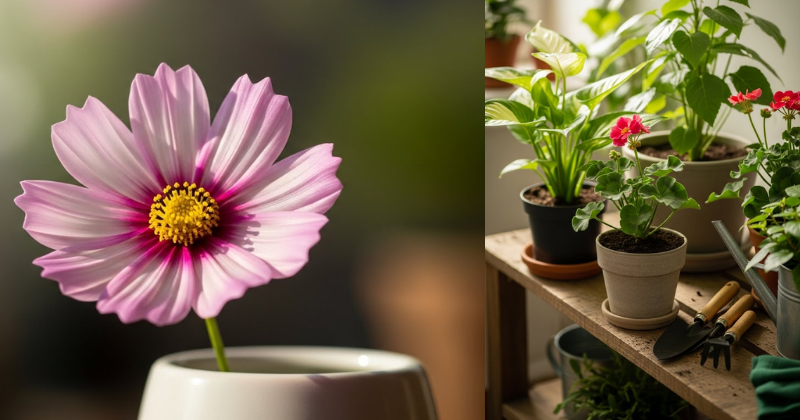
Growing flowers should feel joyful, accessible, and deeply rewarding—and learning how to plant cosmos in containers step by step gives you all of that in one simple project. Whether you garden on a balcony, patio, rooftop, or a small sunny corner, cosmos are one of the easiest and most forgiving flowers you can grow. The first 150–160 characters of this introduction serve as your meta description: Learn how to plant cosmos in containers step by step with this simple, beginner-friendly guide for thriving blooms in small spaces.
Cosmos bring airy, colorful, pollinator-friendly blooms from early summer to frost. They thrive even in poor soil, tolerate heat, and reward you with abundant flowers—making them perfect candidates for container gardening. In this comprehensive guide, you’ll discover everything you need to successfully grow cosmos in pots, from choosing the right container to troubleshooting problems and achieving nonstop blooms. This method is practical, beginner-friendly, and ideal for anyone wanting a thriving garden in limited space.
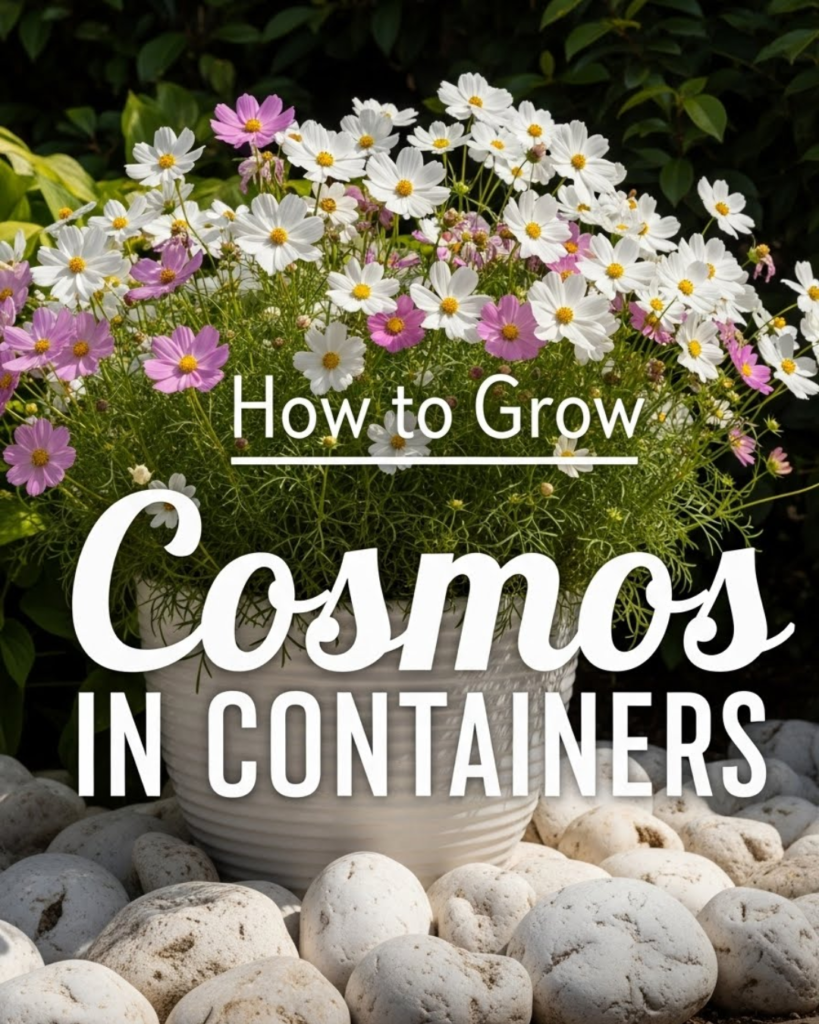
H2: What You Need to Know Before Planting Cosmos in Containers
Understanding the foundation makes the entire process easier and more enjoyable. Cosmos are adaptable plants, but container growing changes a few important requirements.
H3: Why Cosmos Thrive in Containers
Cosmos have naturally deep, fibrous roots that appreciate loose soil and consistent drainage—two things you can control perfectly in a pot. In a container, you can optimize:
- Soil quality
- Sun exposure
- Watering schedule
- Protection from wind
- Seasonal placement
Container gardening also prevents soil-borne diseases and gives you more flexibility in small living environments.
H3: The Benefits of Growing Cosmos in Pots
Growing cosmos in containers offers unique advantages:
- You can grow them even without a garden.
- You control soil nutrients and drainage more precisely.
- Containers prevent the plant from spreading too aggressively.
- You can move the pots to chase the sun or shelter them.
- Bloom production often increases with controlled conditions.
If you’re new to gardening, cosmos are a perfect confidence-building plant.
H2: Step-by-Step Guide: How to Plant Cosmos in Containers
This section serves as your featured-snippet-ready blueprint: a simple, clear process that answers the question many gardeners search for—how to plant cosmos in containers step by step.
H3: Step 1 – Choose the Right Container
The container sets the stage for your plant’s success.
Recommended container size:
- Depth: 12–18 inches
- Width: 12 inches minimum
- Larger is better for tall varieties
Best materials:
- Fabric grow bags
- Terra cotta
- Plastic pots
- Wooden planters
Fabric pots are especially helpful because they naturally increase air circulation and reduce root rot.
H3: Step 2 – Prepare the Ideal Soil Mix
Cosmos thrive in soil that is well-draining and not overly rich.
Optimal soil mix:
- 60% high-quality potting soil
- 30% perlite or coarse sand
- 10% compost
Avoid heavy compost blends or manure-rich mixes, as these create foliage instead of flowers.
H3: Step 3 – Sow the Seeds or Transplant Seedlings
You can start cosmos from seed or transplant young seedlings. They prefer direct sowing because their roots dislike being disturbed.
H4: Direct Sowing Method
- Fill your pot with soil, leaving 1–2 inches from the top.
- Scatter 2–3 cosmos seeds evenly.
- Lightly cover with ¼ inch of soil.
- Water gently to avoid disturbing the seeds.
- Keep soil lightly moist until germination (7–10 days).
H4: Transplanting Seedlings
If using seedlings:
- Choose young plants (3–4 weeks old).
- Dig a hole deep enough for the root system.
- Place the seedling gently to avoid root damage.
- Water immediately after planting.
H3: Step 4 – Place Containers in Optimal Sunlight
Cosmos need sunlight to produce flowers. Aim for:
- 6–8 hours of direct sunlight daily
- South-facing areas for best results
If you live in a hot climate, afternoon shade can prevent excess stress.
H3: Step 5 – Water Correctly
Watering cosmos in containers requires balance.
General watering rules:
- Water when the top 2 inches of soil feel dry
- Deep watering is better than frequent, shallow watering
- Ensure your container has drainage holes
- Avoid overwatering—cosmos prefer slightly dry conditions
H2: Pro Tips for Growing Cosmos in Containers (Advanced Strategies)
Once your cosmos begin to grow, a few advanced techniques can dramatically boost bloom production and plant health.
H3: Support Tall Varieties
Tall cosmos varieties (like Cosmos bipinnatus) may reach 4–5 feet.
Use:
- Bamboo stakes
- Tomato cages
- Small trellises
This prevents bending or snapping during windy days.
H3: Light Fertilizer Strategy
Cosmos are light feeders. Too much fertilizer leads to lots of leaves and very few flowers.
Feed cosmos with:
- A diluted fish emulsion once per month
- A low-nitrogen formula (like 5-10-10)
Stop fertilizing when blooming becomes heavy.
H3: Mulching for Moisture and Stability
A thin layer of mulch (1 inch) helps:
- Retain moisture
- Prevent soil overheating
- Reduce evaporation
Use straw, fine bark mulch, or coco coir chips.
H2: Troubleshooting: Common Problems and How to Fix Them
Even though cosmos are low-maintenance, container growing introduces unique challenges. Here’s how to solve them quickly.
H3: Problem 1 – Cosmos Leaves Turning Yellow
Likely causes:
- Overwatering
- Poor drainage
- Compact soil
Solution:
Improve soil aeration, reduce watering, and ensure drainage holes are unobstructed.
H3: Problem 2 – Few or No Blooms
Common reasons include:
- Too much fertilizer
- Insufficient sunlight
- Overly rich soil
Fix:
Move the pot to a sunnier spot and reduce fertilization.
H3: Problem 3 – Wilting on Hot Days
Container soil heats faster.
Preventive steps:
- Water early in the morning
- Use mulch
- Move pots to partial shade during heatwaves
H2: How to Maximize Blooms All Season
Cosmos bloom best when they’re encouraged to keep producing.
H3: Deadheading for More Flowers
Removing spent blooms triggers new flower development.
How to deadhead:
- Locate wilted blooms.
- Cut just above a leaf node.
- Repeat weekly for best results.
H3: Pruning for Bushier Plants
Pinching off the top pair of leaves when plants reach 8–10 inches tall encourages branching. More branches equal more blooms.
H3: Encourage Pollinators
Position your cosmos near:
- Herbs like basil and mint
- Flowering plants like zinnias and marigolds
- Native pollinator plants
This boosts fruitfulness and improves ecosystem health.
Conclusion
Learning how to plant cosmos in containers step by step gives you the power to create a thriving, colorful garden even in the smallest spaces. With the right container, soil mix, sunlight, and watering routine, cosmos reward you with months of effortless beauty. Their resilience and simplicity make them ideal for beginners, while their abundant blooms keep even seasoned gardeners inspired.
Now that you have the full method—your tools, your steps, your solutions—there’s nothing left but to start planting. Choose a pot, drop in your seeds, and watch your cosmos transform your space into a vibrant, joyful oasis.