
Your towels whisper secrets about your home’s hidden narratives—stories written in lingering moisture, absorbed oils, and the invisible residue of countless cleansing rituals. When a once-plush towel emerges from the wash stiff, musty, or mysteriously unable to absorb water, it’s offering you an invitation to rediscover the alchemy of textile care. Deep cleaning towels transcends mere laundering; it becomes a meditative practice of restoration, transforming neglected fibers back into their original state of cloud-like receptivity.
This guide unveils the transformative techniques that professional textile conservators and hospitality experts use to resurrect even the most compromised towels. You’ll discover how simple pantry ingredients become powerful agents of renewal, turning laundry day into an opportunity for household metamorphosis.
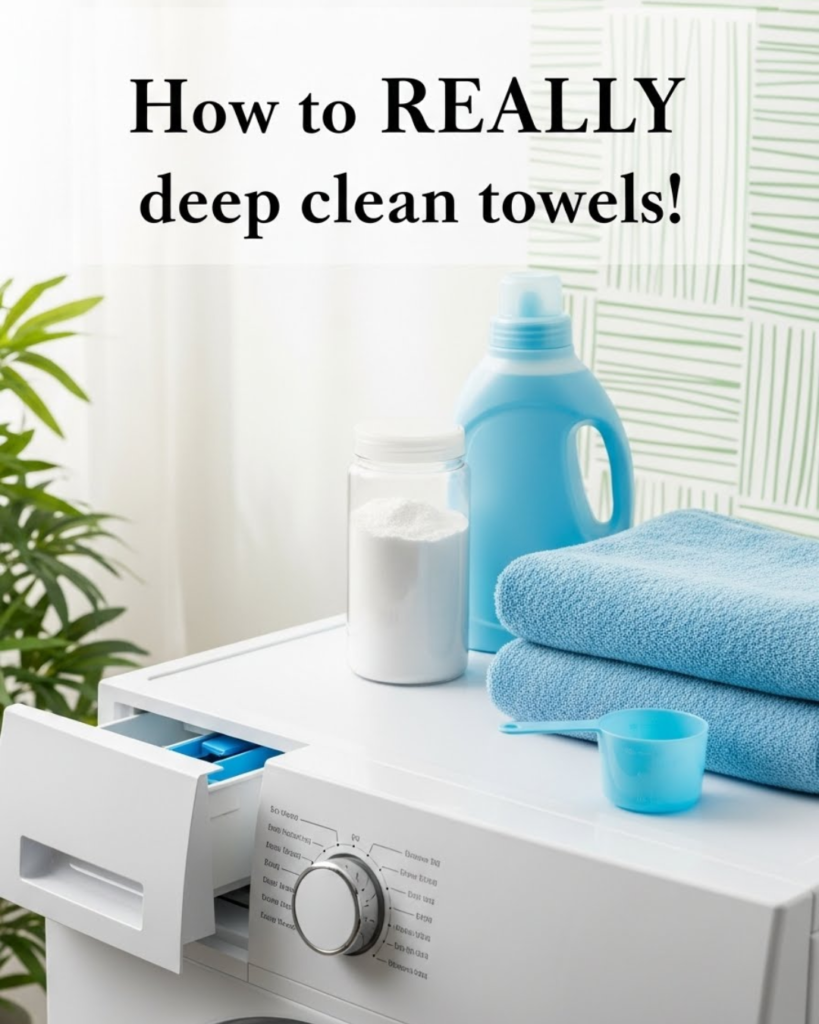
Understanding the Hidden Life of Your Towels
Towels exist in a perpetual cycle of absorption and release, their fibers becoming repositories for everything they encounter. This noble function gradually accumulates invisible layers that compromise their essential purpose.
The Architecture of Towel Fibers
Cotton terry cloth—the most common towel material—possesses a remarkable looped structure designed to maximize surface area and water absorption. Each loop functions as a tiny reservoir, wicking moisture away from skin through capillary action. Over time, however, these loops become infiltrated by residues that create hydrophobic barriers, essentially waterproofing the very fibers meant to embrace wetness.
Mineral deposits from hard water crystallize within the fiber structure, creating rigid pathways that resist flexibility. Fabric softener coats loops with waxy films that feel soft initially but ultimately seal fibers against their absorbent destiny. Body oils, skincare products, and detergent buildup form invisible laminations that repel rather than receive water.
The Sensory Signals of Towel Distress
Your towels communicate their compromised state through multiple channels. A musty odor that persists despite regular washing indicates bacterial colonization within fiber depths, where trapped moisture creates microbial sanctuaries. Stiffness suggests mineral encrustation or excessive detergent residue that’s bonded fibers into inflexible masses. The most telling sign—water beading on towel surfaces rather than being absorbed—reveals complete hydrophobic transformation, a textile crying out for intervention.
Understanding these signals transforms you from passive launderer into textile detective, reading the stories your linens tell and responding with targeted restoration strategies.
The Foundation: Preparing for Deep Cleaning Transformation
Before initiating the deep cleaning ritual, gather your materials and understand the philosophy underlying this restorative process. This isn’t aggressive cleaning—it’s compassionate fiber rehabilitation.
Essential Ingredients for Towel Resurrection
White distilled vinegar stands as your primary ally, its acetic acid gently dissolving mineral deposits and breaking down residue films without damaging fiber integrity. Baking soda acts as both mild abrasive and pH balancer, lifting embedded particles while neutralizing odors at their molecular source. These humble pantry staples possess more textile-restoring power than entire arsenals of commercial products.
Hot water—the hottest your towels’ care labels permit—becomes the medium through which these ingredients work their magic. Heat opens fiber structures, allowing cleaning agents to penetrate deeply while activating the chemical reactions that liberate trapped residues.
Reading Your Towels’ Individual Needs
Not all towels require identical treatment. White and light-colored towels tolerate more aggressive approaches, while darker hues benefit from gentler methods that preserve dye integrity. Delicate decorative towels with embroidery or special finishes need modified techniques, whereas everyday bath towels can withstand robust restoration protocols.
Examine each towel before beginning, noting specific problem areas—perhaps certain sections feel particularly stiff, or localized discoloration suggests targeted staining. This assessment allows you to customize your approach, addressing individual needs rather than applying generic solutions.
The Deep Cleaning Ritual: Step-by-Step Transformation
The process unfolds in stages, each building upon the previous to achieve comprehensive fiber renewal. This isn’t merely washing—it’s towel baptism, a complete cleansing that returns textiles to their original state of grace.
Stage One: The Vinegar Liberation
Begin by loading your washing machine with compromised towels, taking care not to overcrowd. Overfilling prevents adequate agitation and water circulation, undermining the entire process. Add two cups of white distilled vinegar directly to the drum—not the detergent dispenser, as you want this powerful liquid surrounding your towels from the cycle’s first moment.
Select the hottest water temperature your towels can tolerate and the longest wash cycle available. This extended exposure allows vinegar’s mild acidity to work systematically through fiber structures, dissolving mineral deposits and breaking down waxy buildup. The machine’s agitation becomes a mechanical massage, working the vinegar deep into every loop and crevice.
As the cycle progresses, imagine the transformation occurring within those spinning fibers—crystallized minerals dissolving, residue films liquefying, trapped odors releasing into the wash water that carries them away forever.
Stage Two: The Baking Soda Renewal
Without removing towels from the machine, immediately initiate a second wash cycle. This time, add one cup of baking soda directly to the drum. The slightly alkaline nature of baking soda complements vinegar’s acidity, creating a balanced approach that addresses different types of buildup.
Baking soda’s gentle abrasive quality mechanically lifts particles that vinegar has loosened, while its deodorizing properties neutralize any remaining odor molecules. This stage also helps restore the natural pH balance of cotton fibers, preparing them to once again perform their absorbent function optimally.
Again, select hot water and a full wash cycle. The consecutive treatments—first acidic, then alkaline—create a comprehensive cleansing that commercial detergents alone cannot achieve.
Stage Three: The Purifying Rinse
Follow the baking soda cycle with an additional rinse cycle using only hot water. This crucial step removes any residual vinegar or baking soda, ensuring nothing remains to interfere with the towels’ restored absorbency. Some machines offer extra rinse options—use them. Each rinse carries away more dissolved residues, bringing your towels closer to their original pristine state.
The Drying Ceremony
Transfer your cleansed towels to the dryer, adding several clean tennis balls or wool dryer balls. These tumbling companions perform essential work, beating the towels as they dry to fluff compressed loops and restore loft. The mechanical action prevents fibers from matting together as they dry, maintaining the three-dimensional structure essential for maximum absorbency.
Dry on medium to high heat until completely moisture-free. Any residual dampness invites the bacterial growth you’ve just eliminated, undoing your restoration work. The emerging towels should feel noticeably different—softer yet more textured, lighter, and infinitely more receptive to water.
Advanced Techniques for Stubborn Situations
Some towels require enhanced interventions, their compromised state demanding additional strategies beyond standard deep cleaning protocols.
The Overnight Soak Method for Severely Compromised Towels
For towels exhibiting extreme stiffness or persistent odors, an overnight soak precedes machine washing. Fill a large basin or bathtub with hot water, adding one cup of vinegar and half a cup of baking soda per gallon. Submerge towels completely, weighing them down if necessary to prevent floating.
This extended exposure allows cleaning agents maximum time to penetrate and dissolve even the most stubborn buildup. The water will likely appear dingy by morning—visual proof of the accumulated residues releasing from fiber structures. Following the soak, proceed with the standard two-cycle deep cleaning process.
Addressing Persistent Mildew and Musty Odors
Mildew represents bacterial and fungal colonization within towel fibers, requiring additional intervention beyond standard cleaning. Add half a cup of oxygen bleach (safe for colors) to the vinegar wash cycle, or use regular bleach for white towels. The combination of bleach’s antimicrobial properties and vinegar’s residue-dissolving abilities creates a powerful mildew-eliminating duo.
Ensure thorough drying immediately after washing—mildew thrives in damp environments, so any delay between washing and drying invites recolonization. Consider hanging towels in direct sunlight before machine drying, as UV rays possess natural antimicrobial properties that further discourage microbial growth.
The Stripping Method for Ultimate Restoration
Towel stripping—borrowed from cloth diaper care—represents the most intensive restoration technique available. Fill your bathtub with very hot water, adding quarter-cup each of washing soda, borax, and powdered laundry detergent. Submerge towels and let them soak for 4-6 hours, stirring occasionally.
Watch as the water transforms into an unsettling gray or brown—the accumulated years of invisible buildup finally made visible. The combination of alkaline washing soda, borax’s cleaning power, and detergent creates a chemical environment that forces even the most stubborn residues to release. After stripping, rinse towels thoroughly in the washing machine before drying completely.
Preventing Future Buildup: Maintenance Wisdom
Deep cleaning transforms compromised towels, but preventive practices ensure they remain in optimal condition between intensive treatments.
The Art of Proper Detergent Usage
Most people use far too much detergent—more doesn’t mean cleaner, it means more residue accumulating in fibers. Use half the recommended amount, or even less if you have soft water. Modern high-efficiency detergents are concentrated and powerful; excess creates the very buildup problems you’re working to prevent.
Consider switching to detergents specifically formulated for towels and athletic wear, designed to clean effectively without leaving residues. Liquid detergents generally rinse more completely than powders, though quality powders dissolved in hot water first can work equally well.
Abandoning Fabric Softener for Towel Longevity
Fabric softener represents towels’ greatest enemy, coating fibers with hydrophobic chemicals that destroy absorbency. The temporary softness isn’t worth the permanent damage. If you must have softness, add a quarter-cup of white vinegar to the rinse cycle—it naturally softens without coating, and rinses away completely.
Dryer sheets pose similar problems, depositing waxy films that compromise absorbency. Replace them with wool dryer balls, which soften mechanically through tumbling action rather than chemical coating.
Proper Drying Prevents Microbial Colonization
Never leave damp towels in the washing machine or crumpled in hampers. Hang them spread out to air-dry between uses, allowing complete moisture evaporation. This simple practice prevents the bacterial and fungal growth that causes musty odors and requires deep cleaning interventions.
When machine drying, ensure complete dryness before folding and storing. Even slight dampness creates environments where microbes proliferate, undoing your careful maintenance efforts.
Troubleshooting Common Deep Cleaning Challenges
Even with proper technique, certain situations require additional problem-solving approaches.
When Towels Remain Stiff After Deep Cleaning
Persistent stiffness despite thorough cleaning suggests either incomplete residue removal or hard water mineral deposits that require more aggressive treatment. Repeat the deep cleaning process, but extend soak times and consider adding a commercial water softener to the wash. For extremely hard water situations, installing a whole-house water softener may be necessary for long-term towel health.
Alternatively, the stiffness might indicate fabric damage from excessive heat exposure or chlorine bleach overuse. In these cases, the fiber structure itself has degraded, and no amount of cleaning will restore original softness. These towels may need retirement to less critical roles—garage rags, pet drying, or donation.
Addressing Color Fading Concerns
Some worry that vinegar or hot water will fade colored towels. While extremely hot water can gradually affect dyes, the occasional deep cleaning poses minimal risk compared to the constant exposure to sunlight and regular washing. To minimize concerns, use warm rather than hot water for colored towels, though this reduces cleaning effectiveness somewhat.
Oxygen bleach proves safer for colors than chlorine bleach when addressing persistent odors or mildew on colored towels. Always test any new cleaning method on an inconspicuous area first, or on your least favorite towel, before treating entire sets.
When Deep Cleaning Seems Ineffective
If towels show no improvement after thorough deep cleaning, consider whether the issue stems from your water supply itself. Extremely hard water or well water with high iron content can continuously redeposit minerals during the rinse cycles, undoing cleaning efforts. In these situations, adding a water softening agent to every wash becomes necessary, or exploring portable washing machine filters that remove problematic minerals before water reaches your laundry.
Conclusion
Deep cleaning towels elevates mundane laundry into an act of household alchemy, transforming neglected textiles into renewed instruments of comfort and care. The simple combination of vinegar, baking soda, hot water, and proper technique resurrects even the most compromised towels, restoring their essential nature as water-absorbing vessels.
This knowledge empowers you to maintain your linens in perpetual states of optimal performance, extending their functional lives while ensuring every bath becomes wrapped in true softness and absorbency. The musty, stiff towels of the past dissolve into memory, replaced by perpetually fresh, fluffy textiles that fulfill their purpose with grace.
Begin today with your most compromised towel—witness its transformation, and you’ll find yourself eager to restore every towel in your home to its original state of textile perfection.