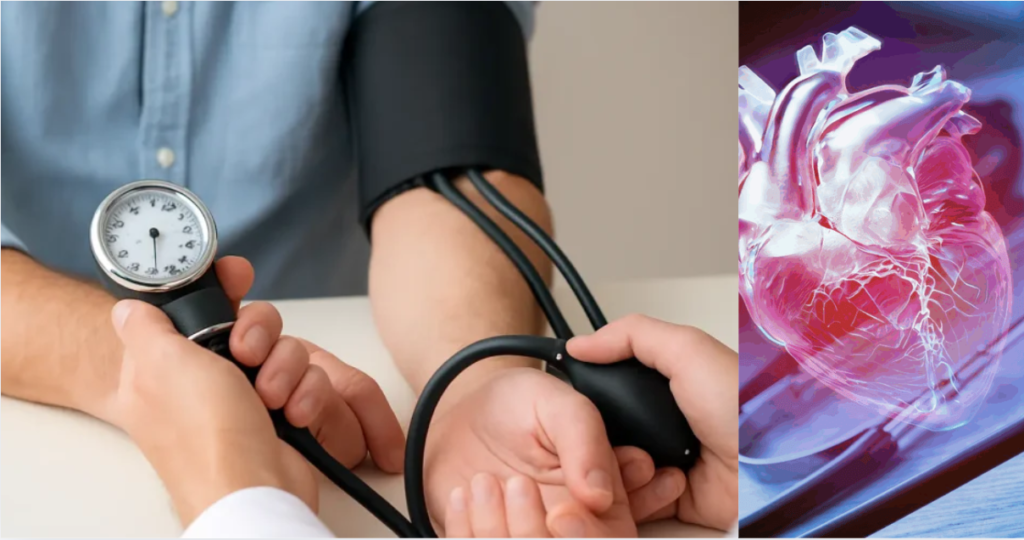
Hypertension, or high blood pressure, affects millions worldwide and increases the risk of cardiovascular disease. Lifestyle changes, proper management, and evidence-based treatments are essential to control it.
High blood pressure is often called the “silent killer” because it can quietly damage the heart, kidneys, and brain without noticeable symptoms. Yet, with the right combination of habits, medical treatments, and preventive strategies, hypertension is a manageable condition. Scientific research underscores the importance of dietary interventions, physical activity, stress management, and pharmacological therapies in reducing long-term cardiovascular risk and improving overall health outcomes.
What Are the Causes of Hypertension?
Hypertension arises from a complex interplay of genetic, physiological, and environmental factors:
- Genetic predisposition: Family history significantly influences risk.
- Lifestyle factors: High sodium intake, sedentary behavior, excess alcohol, and smoking contribute to elevated blood pressure.
- Physiological conditions: Obesity, insulin resistance, and kidney disease increase susceptibility.
- Age and hormonal influences: Aging, stress-related cortisol spikes, and hormonal changes can raise blood pressure over time.
Understanding the root causes enables targeted interventions and personalized management strategies.
How Does Diet Affect Blood Pressure?
Nutrition plays a pivotal role in both preventing and managing hypertension:
- Sodium reduction: Excessive salt intake directly elevates blood pressure by increasing blood volume.
- Potassium intake: High-potassium foods such as bananas, spinach, and sweet potatoes help relax blood vessel walls.
- DASH diet: Dietary Approaches to Stop Hypertension emphasizes fruits, vegetables, whole grains, and lean proteins, lowering systolic and diastolic pressure.
- Limit processed foods and sugar: Ultra-processed foods and refined sugars exacerbate weight gain and metabolic stress, indirectly raising blood pressure.
A strategic dietary approach is often the first line of defense against hypertension.
Which Habits Support Healthy Blood Pressure?
Lifestyle habits significantly influence cardiovascular risk:
- Regular physical activity: Aerobic exercises such as walking, swimming, or cycling reduce vascular resistance and improve heart efficiency.
- Weight management: Maintaining a healthy body mass index (BMI) lowers systemic strain on the cardiovascular system.
- Stress reduction: Mindfulness, meditation, and controlled breathing reduce sympathetic nervous system activation.
- Sleep hygiene: Adequate sleep (7–9 hours) stabilizes hormonal balance and prevents nocturnal blood pressure spikes.
Consistently integrating these habits enhances the efficacy of medical treatments.
How Do Medications Control Hypertension?
Pharmacological therapy is often necessary for moderate to severe cases:
- ACE inhibitors and ARBs: Reduce arterial tension and protect kidney function.
- Calcium channel blockers: Relax blood vessel muscles to lower vascular resistance.
- Diuretics: Reduce fluid volume in the bloodstream, decreasing pressure.
- Beta-blockers: Lower heart rate and cardiac output, easing pressure on arteries.
Proper medication adherence, guided by a healthcare professional, is critical to avoid complications and achieve target blood pressure levels.
What Role Does Stress Management Play?
Chronic stress can elevate blood pressure through persistent activation of the hypothalamic-pituitary-adrenal (HPA) axis:
- Cortisol spikes increase sodium retention and vascular tone.
- Stress-related behaviors such as overeating, smoking, or alcohol consumption indirectly worsen hypertension.
- Mindfulness techniques such as meditation, yoga, and breathing exercises can normalize sympathetic activity and reduce systolic and diastolic pressure.
Consistent stress-reduction practices complement both lifestyle and pharmacologic interventions.
How Does Physical Activity Reduce Hypertension Risk?
Regular exercise exerts multiple cardiovascular benefits:
- Enhances endothelial function by improving nitric oxide availability, promoting vasodilation.
- Reduces arterial stiffness, lowering systemic vascular resistance.
- Supports weight management, improving insulin sensitivity and lipid profiles.
- Moderates inflammation, which is linked to hypertension and cardiovascular disease.
Even moderate-intensity activity, performed consistently, can significantly reduce blood pressure.
Which Foods and Supplements Can Aid Blood Pressure Control?
Certain foods and bioactive compounds are especially beneficial:
- Garlic: Contains allicin, which can modestly reduce systolic pressure.
- Beets: High in nitrates, enhancing nitric oxide-mediated vasodilation.
- Omega-3 fatty acids: Anti-inflammatory effects support arterial flexibility.
- Magnesium and potassium-rich foods: Help regulate vascular tone and fluid balance.
Supplementation should be considered under professional guidance, particularly for individuals with nutrient deficiencies.
How Can Monitoring and Technology Improve Hypertension Management?
Ongoing monitoring and digital tools enhance control and compliance:
- Home blood pressure monitors allow frequent tracking and early detection of fluctuations.
- Mobile apps help log readings, diet, and exercise patterns.
- Telemedicine enables real-time consultation, adjustment of therapies, and patient education.
Regular monitoring supports personalized strategies and timely interventions.
Conclusion
Hypertension is a multifactorial condition that demands a comprehensive approach. Evidence-based solutions include dietary modifications, regular exercise, stress reduction, pharmacological treatments, and continuous monitoring. Early adoption of healthy habits, combined with clinical guidance, can dramatically reduce the risk of heart disease, stroke, and kidney complications.
Integrating science-backed strategies into daily life empowers individuals to maintain healthy blood pressure levels while improving overall well-being. Consistency, informed choices, and proactive management are key to long-term cardiovascular health.
Disclaimer: This article is for educational purposes only and does not replace professional medical advice. Individuals with hypertension or other cardiovascular conditions should consult qualified healthcare providers before making lifestyle or medication changes.