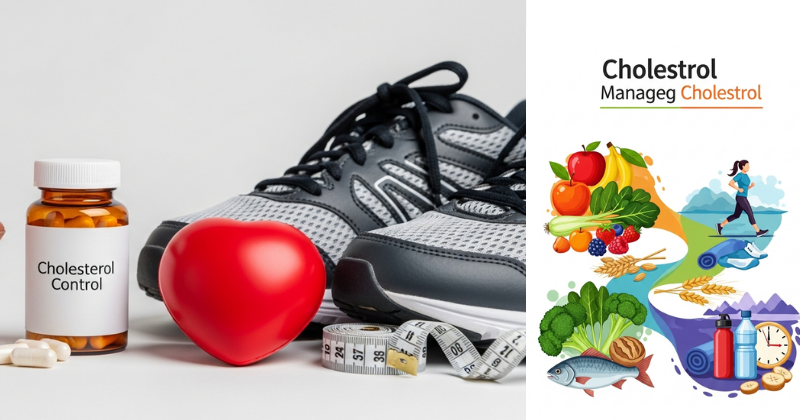
Learn how to improve cholesterol naturally with simple dietary shifts and lifestyle habits. Discover effective ways to boost heart health and achieve lasting wellness today.
Important Disclaimer: This article is for informational purposes only and should not replace professional advice. For health-related topics, consult healthcare providers. For financial or legal matters, seek qualified professional guidance. For safety procedures, verify current best practices and local regulations. Individual results may vary, and personal circumstances should always be considered when implementing any suggestions.
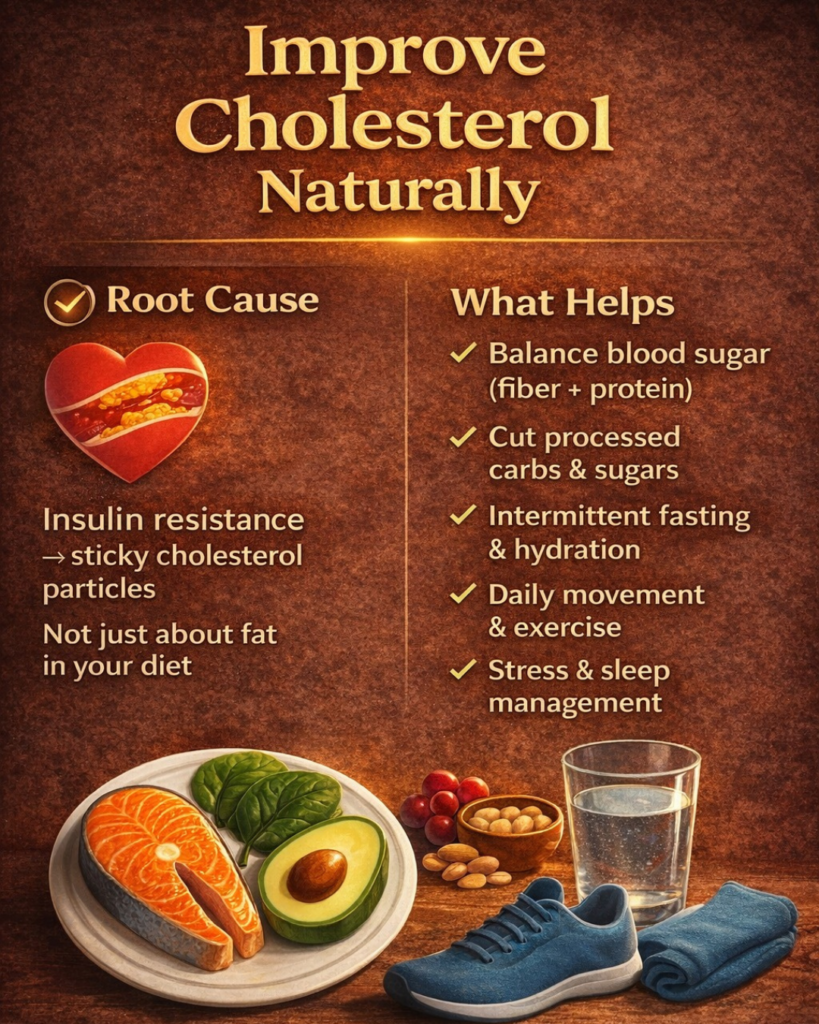
Receiving a lab report with high numbers can feel overwhelming and a bit scary. You might feel like your favorite foods are suddenly off-limits or that you are destined for a life of restrictive dieting. However, the truth is much more empowering: your body is incredibly resilient, and you have the tools to shift those numbers in the right direction. When you choose to improve cholesterol naturally, you aren’t just managing a number on a page; you are embarking on a journey toward vibrant, long-term heart health.
In this comprehensive guide, we will explore practical, science-backed strategies that go beyond “just eating more greens.” We will look at how specific fats, fiber types, and even your daily movement can transform your cardiovascular profile. Small, sustainable changes are the secret to success. You have the capability to unlock a healthier version of yourself, and it starts with the very next meal you choose. Let’s discover how to harmonize your lifestyle with your heart’s needs!
Foundation: Understanding the “Good” and the “Bad”
To build confidence in your ability to improve cholesterol naturally, you first need to understand what you are working with. Cholesterol isn’t an enemy; it’s a vital fat-like substance your body uses to build cells and produce hormones.
HDL vs. LDL: The Simple Breakdown
Think of your blood vessels as a highway. LDL (Low-Density Lipoprotein) is often called “bad” cholesterol because it tends to drop off “litter” (plaque) along the highway walls. HDL (High-Density Lipoprotein) is the “good” cholesterol—the cleanup crew that picks up that litter and takes it back to the liver to be recycled. When you aim to improve your profile, you are essentially trying to hire more cleanup crews (HDL) and reduce the amount of litter (LDL).
The Role of Inflammation
Modern science shows that cholesterol only becomes truly dangerous when it becomes oxidized or inflamed. This is why [sustainable lifestyle changes] like eating antioxidants and reducing processed sugars are so critical. By lowering systemic inflammation, you protect your arteries even more effectively than by just lowering a single number.
Reassurance for Beginners
If you are just starting, don’t feel like you need to change everything overnight. Even a 5% to 10% shift in your habits can lead to measurable improvements in your blood work. You are fully capable of making these adjustments, and the benefits—more energy, better circulation, and peace of mind—are well worth the effort.
Step-by-Step: The Core Pillars of Natural Relief
Ready to take action? Here is a manageable, step-by-step process to implement the most effective ways to improve cholesterol naturally.
1. Master Your Fiber Intake
Fiber is your secret weapon. Soluble fiber, in particular, binds to cholesterol in the digestive system and drags it out of the body before it can reach the bloodstream.
- Step 1: Swap your morning cereal for old-fashioned oats.
- Step 2: Add beans or lentils to your salads or soups at least three times a week.
- Step 3: Aim for “5 a day” with colorful vegetables and fruits like apples and pears.
2. Choose the Right Fats
You don’t need to go “fat-free.” In fact, your body needs healthy fats to thrive.
- The Switch: Replace saturated fats (found in fatty meats and butter) with monounsaturated fats.
- The Action: Use olive oil for cooking, snack on raw walnuts, and add avocado to your sandwiches. These fats actively help raise your “good” HDL levels.
3. Move Your Body Daily
Exercise is one of the fastest ways to boost HDL.
- The Goal: Aim for 30 minutes of moderate activity, five days a week.
- The Shortcut: If you are busy, three 10-minute brisk walks are just as effective as one long session. Consistency is the key to unlocking these heart-health benefits.
Advanced Strategies: Pro Tips for Heart Health
Once you have the basics down, you can share expert-level insights by incorporating specialized nutrients into your daily routine.
The Power of Plant Sterols and Stanols
Plant sterols are natural substances found in plants that are structurally similar to cholesterol. When you eat them, they compete with cholesterol for absorption in your gut. If you have already explored [gardening and connecting with nature], you might find it fascinating that the very plants you grow can be your strongest allies. Foods like almonds, sunflower seeds, and even certain fortified oils can provide these powerful compounds.
Targeted Spices and Herbs
Don’t underestimate your spice cabinet. If you have [just started chewing cloves], you are already utilizing a potent source of antioxidants. Similarly, garlic has been shown in various studies to have a modest but positive effect on lowering total cholesterol levels. Using these in your cooking is a fantastic [home tip] for flavor and health.
Managing Stress and Sleep
High stress levels increase cortisol, which can indirectly lead to higher cholesterol production. Implementing [simple evening rituals that help your body heal while you sleep] is not just good for your mood—it’s vital for your heart. When your body is in a state of rest, it can focus on the metabolic processes that keep your blood clean and your heart strong.
Troubleshooting: Common Challenges and Setbacks
Changing a lifestyle can come with obstacles. Here is how to navigate frequent challenges with encouragement and alternative approaches.
“I’m eating well, but my numbers aren’t moving yet.”
- The Solution: Patience is essential. It usually takes at least 3 to 6 months of consistent habit changes to see significant shifts in blood work. Stay the course!
- Alternative Approach: Ensure you aren’t consuming “hidden” trans fats. Check labels for “partially hydrogenated oils,” as even small amounts can stall your progress.
“I find it hard to eat enough fiber without bloating.”
- The Fix: Go slow! If you suddenly double your fiber, your digestive system might protest. Increase your intake gradually over two weeks and drink plenty of water to help the fiber move through your system.
“I travel often and can’t control my meals.”
- Preventive Measures: Pack portable “heart-hero” snacks like unsalted almonds or individual packets of oatmeal. When eating out, ask for dressings on the side and opt for grilled fish over fried options. You have the capability to make good choices anywhere!
Maximizing Results: The Holistic Heart Path
To build upon your success, look at how you can integrate these changes into a permanent, enjoyable lifestyle.
Synergy with Other Habits
Improving your cholesterol often goes hand-in-hand with other health wins. As you eat more fiber and healthy fats, you may notice that you [14 days without sugar] feels easier to achieve. Reducing refined sugars helps lower triglycerides, another important type of blood fat that impacts heart health.
Complementary Strategies
Consider tracking your progress not just with blood tests, but with how you feel. Do you have more stamina for [gardening]? Is your sleep deeper? These are signs that your systemic health is improving. You can also use [natural aromatherapy] to manage the stress that often contributes to heart strain.
Featured Snippet: How can I lower my cholesterol in 30 days naturally?
To improve cholesterol naturally within 30 days, focus on three primary actions: increase soluble fiber intake to 10-25 grams per day (found in oats and beans), eliminate all trans fats and limit saturated fats, and engage in at least 30 minutes of brisk walking daily. These changes work synergistically to reduce the absorption of LDL (bad) cholesterol and increase the production of HDL (good) cholesterol.
Conclusion
The journey to improve cholesterol naturally is one of the most rewarding commitments you can make for your future. You have discovered that you have the capability to succeed by making intentional, heart-healthy choices every day. By focusing on whole foods, joyful movement, and stress management, you achieve a level of wellness that a pill alone could never provide.
You’ve got this! Start today by adding one serving of oats or a handful of walnuts to your routine. You will be amazed at how these small steps compound into a powerful transformation for your heart and your life.