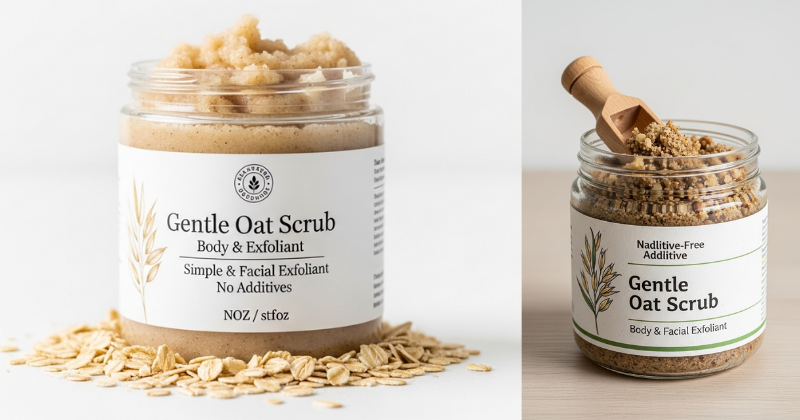
Commercial exfoliating scrubs often contain microplastic beads (banned in many jurisdictions due to environmental damage), harsh synthetic surfactants, artificial fragrances, and preservatives that sensitive skin reacts to poorly. The gentle oat scrub bypasses all of these concerns through a formulation grounded in dermatological science: colloidal oatmeal provides both mild physical exfoliation and biochemical skin barrier support through beta-glucan polysaccharides and avenanthramides (phenolic compounds with documented anti-inflammatory and antioxidant activity). This all-natural exfoliant works for both facial and body applications, adjusts easily for different skin types and sensitivities, and requires only minutes to prepare using ingredients from your kitchen pantry. You’ll discover that effective exfoliation doesn’t require complicated formulations or harsh chemicals — just an understanding of how oats interact with skin biology and proper preparation technique.
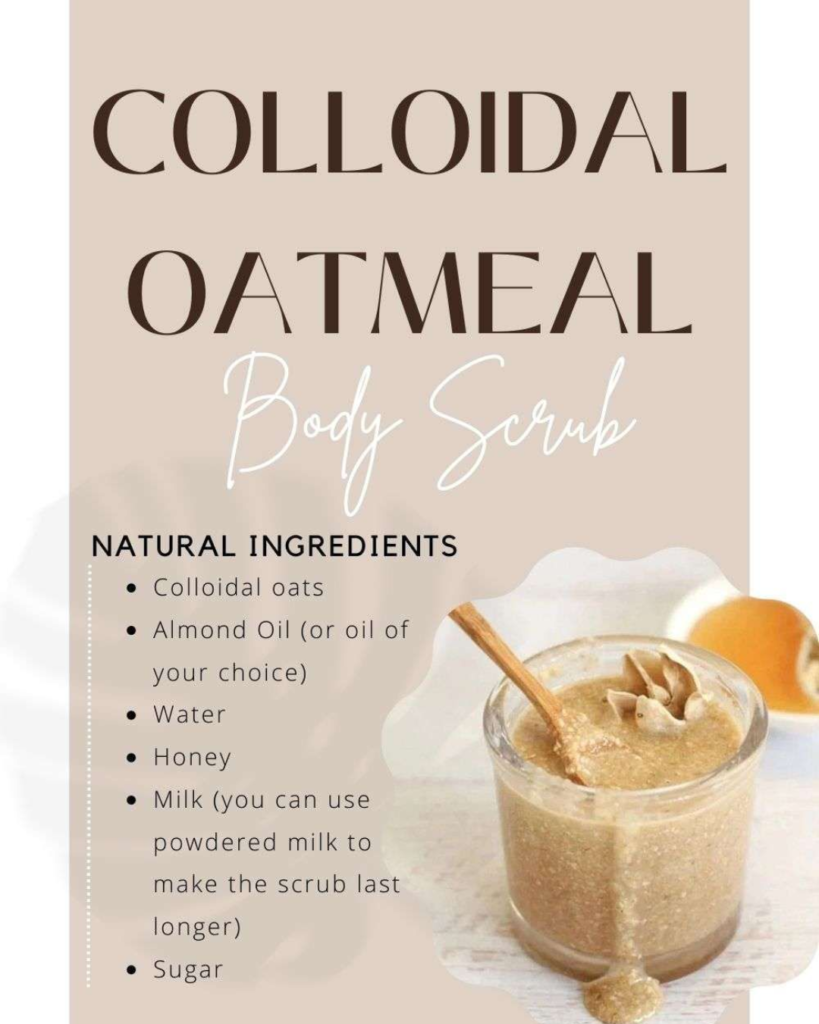
The Dermatological Science of Oat-Based Exfoliation
Understanding why oats function as such an effective yet gentle exfoliant requires examining both their physical structure and their biochemical activity on skin.
Physical Exfoliation Without Microtears
Exfoliation removes the outermost layer of dead, desquamating corneocytes from the stratum corneum, revealing the fresher, more light-reflective cells beneath and stimulating the cellular turnover processes that maintain healthy skin. The challenge with physical exfoliants is providing sufficient mechanical action to dislodge dead cells without creating micro-damage to viable skin layers or disrupting barrier integrity.
Finely ground oats (particularly colloidal oatmeal — oats ground to a powder fine enough to remain suspended in water) provide an ideal balance. The particle size of properly prepared colloidal oatmeal ranges from 10-300 micrometers — large enough to provide gentle mechanical friction against the skin surface but small enough to avoid the sharp-edged abrasion that crushed walnut shells, apricot kernels, or other common natural exfoliants produce. Research in Dermatology and Therapy documents that colloidal oatmeal’s rounded particle morphology creates effective desquamation with minimal irritation even in atopic dermatitis patients — populations with compromised barrier function who typically cannot tolerate conventional exfoliation.
Beta-Glucan: The Barrier-Supporting Polysaccharide
Beyond physical exfoliation, oats deliver beta-glucan — a soluble fiber polysaccharide that forms a gel-like matrix when hydrated. This beta-glucan provides multiple skin benefits: it functions as a humectant (attracting and retaining water in the stratum corneum, improving hydration), creates a temporary occlusive film that reduces transepidermal water loss, and stimulates fibroblast activity in the dermis (potentially supporting collagen synthesis and wound healing through mechanisms still being characterized).
Clinical studies document that topical beta-glucan significantly improves skin barrier function markers including transepidermal water loss, stratum corneum hydration, and inflammatory markers in individuals with compromised barrier function. This means the oat scrub simultaneously exfoliates (removing dead surface cells) and supports barrier repair (through beta-glucan’s hydrating and protective effects) — a combination rarely achieved by single-ingredient exfoliants.
Avenanthramides: Anti-Inflammatory and Antioxidant Protection
Oats contain a unique class of phenolic compounds called avenanthramides (not found in significant concentrations in other grains) that exhibit potent anti-inflammatory activity through inhibition of pro-inflammatory cytokine production and NF-κB signaling. Research published in the Journal of Drugs in Dermatology demonstrated that avenanthramides reduce histamine-induced itching and inflammation in clinical testing — explaining oatmeal’s traditional use in soothing irritated skin and why colloidal oatmeal is FDA-approved as a skin protectant.
For exfoliation purposes, this anti-inflammatory activity means the scrub actively counteracts the mild inflammatory stimulus that physical exfoliation inherently creates, resulting in exfoliation without the redness or sensitivity that many exfoliating products produce.
Complete Gentle Oat Scrub Recipe and Variations
This base recipe provides the foundation that you’ll customize based on application area (face versus body) and skin type (dry, oily, sensitive, or normal).
The Universal Base Recipe
Ingredients for approximately 1/2 cup scrub (sufficient for 4-6 uses):
- 1/2 cup rolled oats or instant oats (not steel-cut — these are too coarse)
- Optional additions based on skin type (detailed below)
Preparation:
Step 1: Create colloidal oatmeal. Place the oats in a high-speed blender, food processor, or clean coffee grinder. Pulse repeatedly for 30-60 seconds until the oats are ground to a fine, flour-like powder. You’re aiming for a consistency where the majority of particles are fine powder with some slightly larger pieces remaining — this mixed particle size provides layered exfoliation intensities. Test the fineness by rubbing a small amount between your fingers — it should feel soft and powdery, not gritty or sharp.
Step 2: Store the base. Transfer the ground oats to an airtight container. In this dry form, the oat powder remains stable for 3-4 months at room temperature. Label with the preparation date and contents.
Step 3: Mix individual use portions. For each use, measure approximately 1-2 tablespoons of the oat powder into a small bowl and add liquid gradually while stirring to create the desired consistency. The liquid-to-powder ratio and liquid type determine the scrub’s texture and additional benefits.
Liquid Options and Skin-Type Customization
For normal to dry skin (face or body): Mix oat powder with plain whole milk, full-fat yogurt, or heavy cream. The lactic acid in dairy provides mild chemical exfoliation that complements the physical exfoliation, while the fats deliver moisturizing and protective benefits. Ratio: 1 tablespoon oat powder + 2-3 teaspoons liquid to create a spreadable paste.
For oily or acne-prone skin (face): Mix oat powder with plain water or diluted apple cider vinegar (1 part vinegar to 3 parts water). The acidic pH helps dissolve excess sebum and the dilute vinegar provides antimicrobial effects. Ratio: 1 tablespoon oat powder + 1.5-2 teaspoons liquid for a thicker consistency that adheres to skin.
For sensitive or inflamed skin (face or body): Mix oat powder with cooled chamomile tea or aloe vera gel. Both provide additional anti-inflammatory compounds that minimize any exfoliation-induced sensitivity. Ratio: 1 tablespoon oat powder + 2 teaspoons liquid.
For mature or sun-damaged skin (face): Mix oat powder with raw honey (provides antimicrobial and wound-healing properties) or mashed banana (provides vitamins and antioxidants). Ratio: 1 tablespoon oat powder + 1 tablespoon honey or 2 tablespoons mashed banana.
Enhancement Add-Ins for Targeted Benefits
Once you’ve mastered the base scrub, strategic additions provide targeted benefits:
For additional brightening: Add 1/4 teaspoon ground turmeric (curcumin inhibits tyrosinase and melanin production) — note that turmeric temporarily stains skin yellow; this fades within 30 minutes.
For enhanced anti-aging: Add 1/4 teaspoon of vitamin E oil or 1 teaspoon of mashed avocado (both provide antioxidant lipids supporting barrier function).
For acne support: Add 1/4 teaspoon of ground cinnamon (cinnamaldehyde provides antimicrobial activity) or 2-3 drops of tea tree essential oil (terpinen-4-ol inhibits acne-causing bacteria).
For body scrub texture enhancement: Add 1 tablespoon of brown sugar or fine sea salt to the oat base before mixing with liquid — this creates a more aggressive exfoliant appropriate for rough body areas like elbows, knees, and feet but too abrasive for facial use.
Application Technique for Optimal Exfoliation
Proper application technique determines whether exfoliation is beneficial (removing dead cells while maintaining barrier integrity) or damaging (creating micro-tears and inflammation that impair barrier function).
Facial Application Protocol
Step 1: Cleanse first. Begin with clean skin — use your regular gentle cleanser to remove makeup, oil, and surface debris. Pat skin until barely damp (not completely dry — residual moisture helps the scrub spread more easily).
Step 2: Apply the prepared scrub. Using clean fingertips, apply the oat scrub mixture to your face, avoiding the immediate eye area (the skin around eyes is too thin and delicate for any physical exfoliation). Use gentle circular motions to spread the scrub across all facial areas — forehead, cheeks, nose, chin, and jawline.
Step 3: Gentle massage for 30-60 seconds. Using light pressure and small circular motions, massage the scrub across your face. The goal is gentle friction, not aggressive scrubbing — let the oat particles do the work rather than applying significant pressure. Pay extra attention to areas prone to texture issues (sides of nose, chin, forehead) but maintain gentleness throughout.
Step 4: Brief contact time. Allow the scrub to sit on your face for 3-5 minutes after massaging. During this time, the beta-glucan and other water-soluble compounds continue working, providing hydrating and soothing benefits beyond the physical exfoliation.
Step 5: Rinse thoroughly with lukewarm water. Remove all scrub particles — trapped particles can cause irritation. Pat dry gently and immediately apply your regular moisturizer or serum while skin is still slightly damp (this “damp occlusion” traps water in the stratum corneum for maximum hydration).
Body Application Protocol
For body exfoliation, the technique differs slightly to accommodate the larger surface area and typically thicker, more resilient skin on body surfaces compared to facial skin.
Apply the body-formulation oat scrub (with optional sugar or salt added for enhanced mechanical action) to damp skin during or immediately after showering. Work in sections — arms, legs, chest, back — using circular motions with moderate pressure. Body skin tolerates more aggressive exfoliation than facial skin, but avoid excessive pressure that causes skin redness or discomfort. Rinse thoroughly. For particularly rough areas (elbows, knees, heels), allow the scrub to sit for 5 minutes before rinsing to maximize the beta-glucan’s softening effect on thick, keratinized skin.
Frequency Guidelines
Facial exfoliation: 1-2 times weekly for most skin types. Sensitive skin may tolerate only once weekly; oily, resilient skin may benefit from twice weekly. More frequent exfoliation risks barrier disruption and irritation.
Body exfoliation: 2-3 times weekly for most body areas. Daily exfoliation is acceptable for very rough areas like feet or elbows using the enhanced scrub formulation.
Advanced Strategies and Customizations
The Overnight Oat Mask Treatment
For skin requiring both exfoliation and intensive hydration, transforming the gentle oat scrub into an overnight treatment amplifies results. Mix oat powder with a richer liquid (heavy cream, full-fat Greek yogurt, or a mixture of honey and aloe vera gel) to create a mask-like consistency. Apply in a thick layer to clean face, perform 30 seconds of gentle massage, then leave on overnight. The extended contact time allows maximum beta-glucan hydration and avenanthramide anti-inflammatory activity. Rinse in the morning. Use this intensive treatment once weekly as a supplement to regular exfoliation.
Seasonal Adjustments
Skin’s exfoliation needs vary with environmental conditions. During dry winter months or in low-humidity climates, reduce exfoliation frequency and increase moisturizing liquid components (more cream, honey, or oils). During humid summer months or in tropical climates, skin may tolerate more frequent exfoliation and benefit from lighter, water-based scrub preparations. Adjust based on how your skin responds rather than following rigid schedules.
Combining With Other Skincare Actives
The gentle oat scrub integrates well within a comprehensive skincare routine. Use it 1-2 days before applying stronger actives like retinoids or alpha-hydroxy acids — the exfoliation removes the barrier of dead cells that impedes active ingredient penetration, potentially enhancing their effectiveness. However, never use physical exfoliation on the same day as strong chemical exfoliants — the combined action can over-exfoliate, causing irritation and barrier damage.
Troubleshooting Common Challenges
Scrub Too Thick or Too Thin
If your mixed scrub is too thick to spread easily, add liquid in very small increments (1/2 teaspoon at a time) while stirring until you achieve spreadable paste consistency. If too thin (runny, doesn’t adhere to skin), add more oat powder gradually. The ideal consistency resembles thick yogurt or hummus — spreadable but substantial enough to provide mechanical exfoliation.
Skin Irritation or Redness After Use
If skin shows persistent redness, stinging, or irritation beyond the immediate 5-10 minutes post-treatment, you’re either applying too much pressure during massage, exfoliating too frequently, or using oats ground too coarsely. Solutions: grind oats more finely (blend longer), reduce pressure to barely more than spreading motion, increase interval between exfoliation sessions to every 7-10 days, and ensure you’re mixing with soothing liquids (chamomile tea, aloe) rather than potentially irritating ones (vinegar for sensitive skin).
No Visible Improvement in Skin Texture
If skin texture doesn’t improve after 4-6 weeks of consistent weekly exfoliation, several factors may be limiting results. The skin texture concern may be deeper than surface-level dead cell accumulation — true scarring, deep acne marks, or texture from sun damage requires interventions beyond topical exfoliation. Exfoliation may be too gentle for your skin — try adding mild enhancement like sugar for body or a more acidic liquid (dilute lemon juice or yogurt) for face. Other skincare products may be undermining the exfoliation benefits — thick occlusive creams or comedogenic oils can trap dead cells despite exfoliation.
Building a Complete Natural Skincare System
The gentle oat scrub achieves maximum benefits when integrated within a systematic natural skincare approach. Pair it with gentle oil cleansing (removing makeup and oil-based debris without stripping), hydrating toners (rose water or green tea providing antioxidants and hydration), targeted serums addressing specific concerns (vitamin C for brightening, hyaluronic acid for hydration), and protective moisturizers incorporating natural oils and butters. The exfoliation removes the barrier preventing other products from penetrating effectively — making every subsequent product more effective.
Conclusion
The gentle oat scrub delivers effective physical exfoliation alongside biochemical skin support through a single, completely transparent ingredient whose dermatological benefits are increasingly validated by research. Colloidal oatmeal’s rounded particles provide desquamation without micro-tears, beta-glucan supports barrier hydration and repair, and avenanthramides counteract inflammatory responses to exfoliation. Prepare the base powder in minutes, customize liquid additions for your skin type and needs, apply with proper technique emphasizing gentleness over aggressive scrubbing, and maintain appropriate frequency that removes dead cells without disrupting barrier integrity. Your skin’s capacity for smoothness, clarity, and radiance is built into its natural turnover process — this scrub simply supports and optimizes that process using ingredients as simple and safe as breakfast oatmeal.