Your body speaks to you every day, often in ways you might overlook. Those odd twinges, sudden fatigue, or unusual sensations are more than minor annoyances—they’re signals trying to guide you toward better health. By learning to interpret these cues, you can prevent serious issues, boost energy, and optimize overall wellness.
In this guide, we’ll explore how to recognize unusual health signals, understand what they might mean, and take actionable steps to respond appropriately. From subtle changes in skin texture to shifts in energy and mood, every sign is your body’s way of communicating. By paying attention, you unlock the ability to make smarter lifestyle choices, maintain balance, and feel empowered to take control of your health.
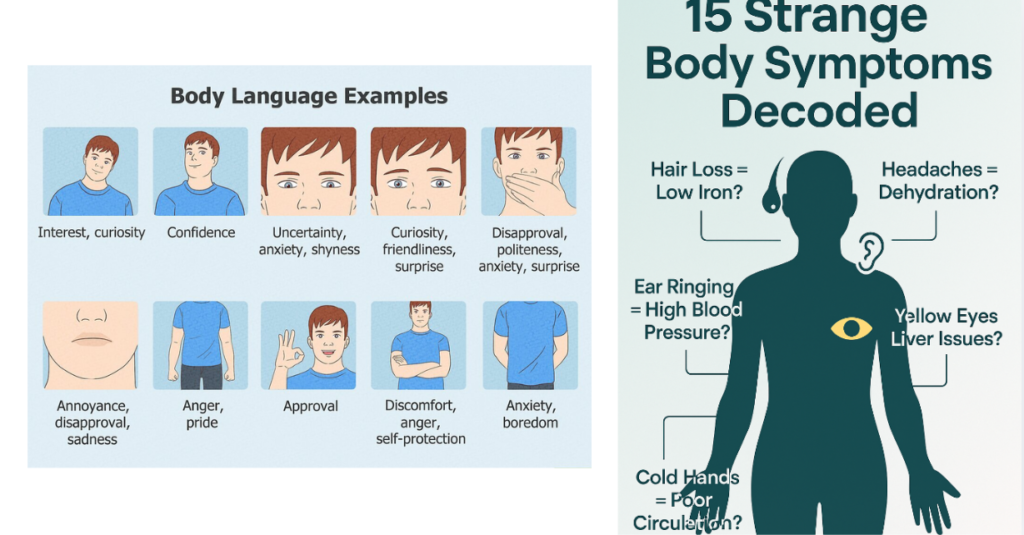
Understanding the Basics: Why Your Body Sends Signals
Our bodies are incredibly intelligent, constantly adjusting to internal and external changes. Odd health signals are usually early warning signs that something needs attention. Recognizing them can help you act before minor discomfort escalates into bigger problems.
Key Components of Body Signals
- Physical changes – These can include sudden aches, rashes, or unusual fatigue.
- Emotional shifts – Mood swings, irritability, or anxiety may signal underlying imbalances.
- Cognitive alerts – Difficulty focusing or memory lapses can indicate dehydration, stress, or nutritional deficiencies.
Why Listening Matters
Ignoring signals can lead to chronic conditions, decreased energy, and reduced quality of life. Conversely, mindful attention allows you to make informed decisions, from adjusting your diet to seeking timely medical advice.
Common Odd Health Signals and What They Might Mean
Understanding your body’s language starts with identifying the most common signals.
1. Unexplained Fatigue
Persistent tiredness can be caused by lack of sleep, dehydration, poor nutrition, or thyroid imbalances.
Actionable Tip: Track your sleep patterns, ensure consistent hydration, and include nutrient-dense foods in your meals.
2. Sudden Digestive Changes
Bloating, irregular bowel movements, or stomach discomfort can indicate dietary intolerances, stress, or gut microbiome imbalance.
Practical Step: Keep a food and symptom diary to identify triggers and consult a nutritionist if issues persist.
3. Skin and Hair Alterations
Dry skin, hair loss, or rashes may reflect dehydration, vitamin deficiencies, or hormonal changes.
Pro Tip: Maintain hydration, balance your diet with vitamins A, C, D, and E, and consider gentle skincare routines.
4. Brain Fog or Cognitive Hiccups
Difficulty concentrating, forgetfulness, or sluggish thinking could signal low blood sugar, dehydration, or insufficient sleep.
Quick Fix: Incorporate regular water intake, balanced meals, and short mental breaks during work hours.
5. Unusual Pain or Numbness
Tingling in extremities, joint discomfort, or sudden localized pain might indicate nerve issues, circulation problems, or inflammation.
Tip: Regular exercise, stretching, and monitoring for recurring patterns can help detect early concerns.
6. Mood Shifts or Irritability
Unexpected irritability or anxiety may reflect hormonal changes, stress, or nutrient deficiencies such as magnesium or omega-3 fatty acids.
Actionable Step: Prioritize stress management, mindfulness exercises, and nutrient-rich foods.
Step-by-Step Guide to Responding to Your Body’s Signals
Recognizing signs is only the first step; taking action is where transformation occurs.
Step 1: Observe and Document
- Note when symptoms occur and what accompanies them (meals, activity, stress).
- Track duration, intensity, and triggers to provide context for healthcare providers.
Step 2: Adjust Lifestyle Habits
- Improve hydration, sleep quality, and physical activity.
- Include nutrient-dense meals and snacks to address potential deficiencies.
- Incorporate short breaks and relaxation techniques throughout the day.
Step 3: Seek Professional Guidance
- Consult doctors, nutritionists, or therapists when signals persist or worsen.
- Share your observations for a more accurate diagnosis.
Advanced Strategies and Pro Tips
For those looking to go beyond basic responses:
1. Use Technology for Insight
- Wearable devices can track sleep, heart rate, and activity.
- Apps help monitor hydration, diet, and mood patterns.
2. Tailor Nutrition for Signal Support
- Incorporate foods rich in antioxidants, omega-3s, and vitamins to address fatigue, cognitive decline, and skin changes.
- Use small, frequent meals to maintain stable energy and focus.
3. Mind-Body Practices
- Meditation, yoga, or breathing exercises can reduce stress-related signals.
- Mindful awareness helps you detect early physical and emotional cues.
Troubleshooting Common Challenges
Even with attention, obstacles may appear.
Ignoring Signals
- Solution: Schedule daily reflection or journaling time to consciously check in with your body.
Overreacting to Minor Changes
- Solution: Observe trends over time rather than reacting to single events. Context is key.
Conflicting Information
- Solution: Consult reliable sources and medical professionals for guidance. Avoid self-diagnosis based on online speculation.
Maximizing Results: Staying Tuned to Your Body
- Develop a consistent routine of hydration, sleep, and balanced nutrition.
- Schedule regular check-ups for preventive care.
- Continuously refine your understanding of personal cues to respond faster and more effectively.
- Integrate complementary wellness strategies, such as exercise, stress management, and social connection, to enhance overall health.
By actively listening to your body and responding thoughtfully, you create a foundation for long-term wellness, resilience, and vitality.
Quick Reference: How to Decode Odd Health Signals
- Fatigue → sleep, nutrition, hydration
- Digestive changes → diet, gut health
- Skin/hair changes → hydration, vitamins, hormones
- Cognitive lapses → blood sugar, hydration, sleep
- Pain/numbness → circulation, inflammation, nerve health
- Mood shifts → stress, hormones, nutrient deficiencies
Monitoring these cues enables timely action and prevents minor issues from escalating.
Conclusion: Empower Yourself Through Awareness
Listening to your body isn’t just about noticing discomfort—it’s about unlocking insight, making smarter choices, and nurturing your overall well-being. By recognizing odd health signals and taking thoughtful action, you can prevent serious complications, improve energy, and enhance your daily life. Pay attention, stay proactive, and trust your body’s wisdom—it’s your most reliable guide to health, resilience, and long-term vitality.
Important Disclaimer: This article is for informational purposes only and should not replace professional advice. For health-related topics, consult healthcare providers. Individual results may vary, and personal circumstances should always be considered when implementing any suggestions.