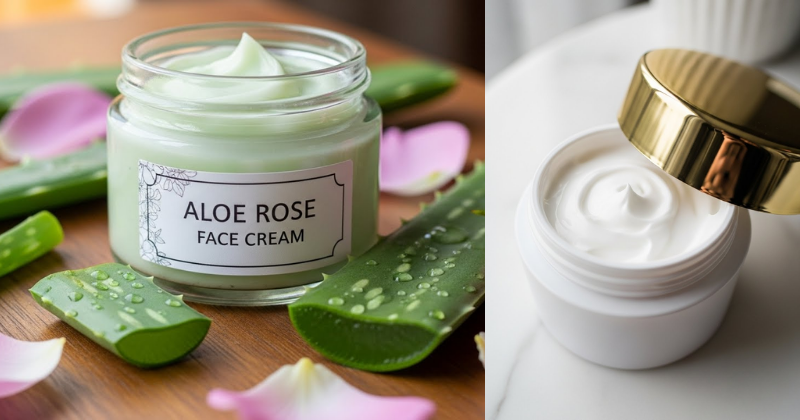
Meta description (first 155–160 characters):
Learn how to make your own aloe rose face cream at home for glowing, hydrated skin using natural ingredients, simple steps, and expert DIY tips.
Introduction
If you have ever looked at the ingredient list on a face cream and felt overwhelmed by chemicals you cannot pronounce, you are not alone. More people are turning to natural skincare not only to save money, but to reconnect with gentle, plant-based ingredients that truly nourish the skin. When you make your own aloe rose face cream, you take full control of what touches your face every day.
This DIY cream combines the soothing power of aloe vera with the calming, hydrating benefits of rose. Together, they create a lightweight yet deeply moisturizing formula suitable for most skin types. Whether you struggle with dryness, sensitivity, or simply want a more natural routine, this guide will walk you step by step through the entire process.
You do not need advanced equipment, chemistry knowledge, or expensive supplies. With a little patience and the right guidance, you can create a luxurious cream that feels like it came from a high-end skincare boutique—made by you, for you.

Why Make Your Own Aloe Rose Face Cream?
Making skincare at home is more than a trend; it is a mindful practice that empowers you to care for your skin intentionally.
Full Ingredient Transparency
When you make your own aloe rose face cream, every ingredient is chosen with purpose. There are no hidden preservatives, synthetic fragrances, or harsh fillers. This is especially valuable if you have sensitive or reactive skin.
Cost-Effective Luxury
High-quality natural creams often come with premium price tags. DIY face cream allows you to invest once in core ingredients and create multiple batches at a fraction of the cost.
Customizable for Your Skin Needs
You can easily adjust oils, textures, or essential oils to suit dry, oily, combination, or mature skin. Your skincare becomes personal, not generic.
What Ingredients Do You Need for Aloe Rose Face Cream?
Understanding each ingredient helps you make confident choices and better results.
Aloe Vera Gel
Aloe vera is the heart of this recipe.
- Hydrates deeply without feeling greasy
- Soothes irritation and redness
- Supports skin barrier repair
Use pure aloe vera gel with no added alcohol or artificial coloring.
Rose Water or Rose Hydrosol
Rose adds both skincare benefits and a gentle natural scent.
- Balances skin pH
- Calms inflammation
- Enhances skin softness and glow
Food-grade or cosmetic-grade rose water is ideal.
Oils and Butters
These provide nourishment and structure to your cream.
Common options include:
- Sweet almond oil for softness
- Jojoba oil for balance
- Shea butter for richer moisture
Choose based on your skin type.
Natural Emulsifier
An emulsifier allows oil and water to blend into a stable cream. Examples include emulsifying wax (plant-based options are widely available).
How Do You Make Aloe Rose Face Cream Step by Step?
This section directly answers one of the most searched questions and is ideal for featured snippet optimization.
Step 1: Prepare Your Workspace
- Clean all tools and containers with hot water and alcohol
- Use glass or stainless steel bowls
- Wash your hands thoroughly
Cleanliness ensures your cream lasts longer and stays safe.
Step 2: Heat the Oil Phase
In a heat-safe bowl, combine:
- Carrier oil
- Shea butter (if using)
- Emulsifying wax
Place the bowl over a gentle water bath until everything melts fully.
Step 3: Warm the Water Phase
In a separate bowl, gently warm:
- Aloe vera gel
- Rose water
Both phases should be similar in temperature before combining.
Step 4: Emulsify
Slowly pour the water phase into the oil phase while blending continuously. Use a hand blender or whisk until a creamy texture forms.
Step 5: Cool and Customize
As the mixture cools:
- Add vitamin E (optional)
- Add a few drops of rose essential oil (optional)
Stir gently and allow the cream to thicken completely.
What Are Advanced Tips to Improve Your DIY Face Cream?
Once you master the basics, small refinements can elevate your results.
Adjusting Texture
- Too thick? Add more rose water
- Too light? Increase butter slightly
Make small changes and test between batches.
Boosting Skin Benefits
You can include:
- Niacinamide for tone and texture
- Panthenol for barrier support
- Allantoin for calming sensitive skin
Always research safe usage percentages before adding actives.
Seasonal Customization
Your skin changes with the weather.
- Lighter formula for summer
- Richer version for winter
DIY skincare allows flexibility that store-bought products cannot offer.
Common Problems When Making Aloe Rose Face Cream (and How to Fix Them)
Even simple recipes can have hiccups. Do not get discouraged.
Cream Separates
This usually means:
- Temperatures were too different
- Insufficient emulsifier
Reheat gently and blend again if needed.
Cream Feels Grainy
Graininess often comes from butter cooling too quickly. Slow cooling and gentle stirring help prevent this.
Short Shelf Life
Natural creams do not last forever.
- Store in the refrigerator
- Use clean hands or a spatula
- Aim to use within 2–4 weeks
You can also explore natural preservatives if making larger batches.
How Can You Maximize Results from Your Aloe Rose Face Cream?
Your cream works best when paired with good habits.
Proper Application
- Apply to clean, slightly damp skin
- Use gentle upward motions
- A pea-sized amount is usually enough
Consistency matters more than quantity.
Complementary Skincare Practices
Consider linking this cream with:
- DIY rose toner routines
- Gentle face massage techniques
- Natural facial oils for nighttime care
- Weekly soothing face masks
These internal linking opportunities strengthen both SEO and skincare results.
Storage and Maintenance
Use airtight glass jars, keep away from heat, and label with the preparation date.
Conclusion
When you make your own aloe rose face cream, you do more than create skincare—you build confidence in caring for your skin naturally. This simple yet powerful blend of aloe and rose offers hydration, calm, and nourishment without unnecessary additives. With each batch, you refine your skills, learn your skin’s preferences, and enjoy the satisfaction of using something truly handmade.
Natural skincare does not have to be complicated or intimidating. With the right ingredients, clear steps, and a little curiosity, you can achieve glowing, healthy skin while saving money and reducing chemical exposure. Start small, experiment mindfully, and enjoy the process. Your skin will thank you.
Important Disclaimer
This article is for informational purposes only and should not replace professional advice. For health-related topics, consult healthcare providers. Individual results may vary, and personal skin sensitivities should always be considered when trying new skincare products.