
Discover natural allergy remedies with these 5 herbal solutions to breathe easy this spring. Learn how to manage pollen sensitivity and transform your health naturally.
Important Disclaimer: This article is for informational purposes only and should not replace professional advice. For health-related topics, consult healthcare providers. For financial or legal matters, seek qualified professional guidance. For safety procedures, verify current best practices and local regulations. Individual results may vary, and personal circumstances should always be considered when implementing any suggestions.
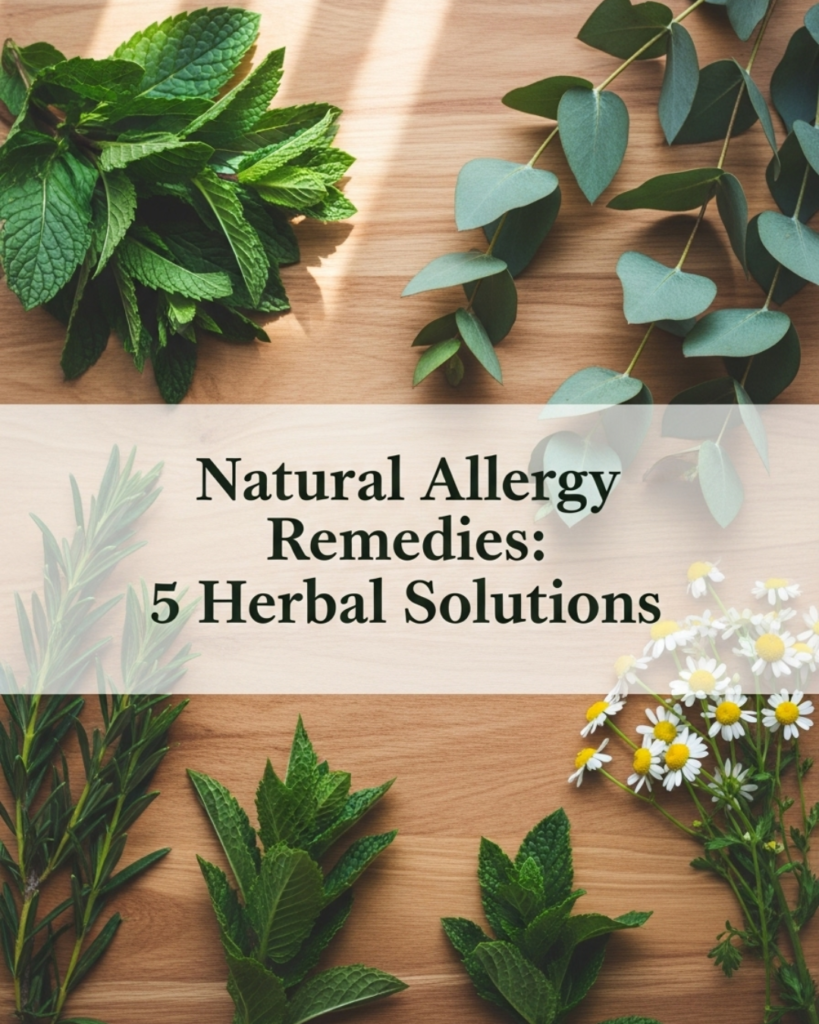
As the snow melts and the first green shoots of spring emerge, most people feel a sense of renewal. However, if you are one of the millions who suffer from seasonal hay fever, that beautiful cherry blossom tree might look more like a biological weapon. You know the drill: itchy eyes, a runny nose, and that persistent brain fog that makes it hard to focus. While over-the-counter pills offer a quick fix, they often leave you feeling drowsy or disconnected. The good news is that you can reclaim your spring! By using natural allergy remedies, you can support your body’s immune system from the inside out and enjoy the outdoors again.
In this comprehensive guide, we are going to explore the world of herbal antihistamines and anti-inflammatories. You will discover how specific plants can stabilize your mast cells and reduce the histamine response that causes all that sneezing. We will walk through the science of herbal relief and show you how to incorporate these botanical powerhouses into your daily routine. You have the capability to achieve a sneeze-free spring—let’s unlock the healing power of nature together!
Foundation: Understanding the Body’s Spring Response
To build confidence in using natural allergy remedies, it is vital to understand why your body reacts so dramatically to tiny grains of pollen.
What are Seasonal Allergies?
When pollen enters the system of an allergy sufferer, the immune system mistakenly identifies it as a dangerous invader. In response, it releases immunoglobulin E (IgE) antibodies, which trigger mast cells to release histamine. This chemical causes the inflammation, mucus production, and itching we associate with hay fever. Understanding this biological “false alarm” is the first step toward a [sustainable lifestyle change] that addresses the root cause rather than just the symptoms.
Why Herbs Work
Many herbs contain bioflavonoids and polyphenols that naturally modulate the immune response. Unlike synthetic drugs that simply block histamine receptors, these herbal solutions often work to prevent the release of histamine in the first place. You might be concerned that “natural” means “weak,” but I want to reassure you that many of these plants have been backed by modern clinical studies. You are fully capable of managing your symptoms effectively with the right botanical toolkit.
Core Strategies for Success
- Early Intervention: Starting your herbal protocol 2-4 weeks before the pollen count peaks.
- Gut Health: Supporting your microbiome to ensure a balanced immune response.
- Anti-Inflammatory Living: Reducing systemic inflammation to lower the threshold for allergic reactions.
Step-by-Step: The 5 Herbal Solutions to Breathe Easy
Ready to transform your experience of spring? Here are the top 5 herbal natural allergy remedies that you can start using today to achieve lasting relief.
1. Stinging Nettle (Urtica dioica)
Don’t let the name scare you! While the fresh plant stings, dried or cooked nettle is a nutritional powerhouse. It is one of the most effective natural antihistamines available.
- How to use: Brew a strong nettle tea or take a freeze-dried capsule.
- Pro-Tip: Combine nettle with peppermint for a refreshing, sinus-clearing blend.
2. Quercetin: Nature’s Shield
Quercetin is a bioflavonoid found in many plants, particularly onions, apples, and capers. It is a potent mast cell stabilizer, meaning it helps stop the “explosion” of histamine.
- Preparation: Look for a supplement that includes bromelain (an enzyme from pineapple) for better absorption.
- Timing: Take it daily throughout the allergy season for cumulative benefits.
3. Butterbur (Petasites hybridus)
Butterbur has been compared to popular over-the-counter antihistamines in clinical trials, showing similar efficacy without the sedative side effects.
- Safety Note: Only use products labeled “PA-free” (pyrrolizidine alkaloids-free) to protect your liver.
4. Local Raw Honey
While not an herb itself, local honey contains trace amounts of the very pollen that makes you sneeze.
- The Method: Consuming a tablespoon daily acts like a “natural vaccine,” gradually desensitizing your immune system.
- Connection: This is a perfect example of [seasonal considerations] in your diet.
5. Astragalus (Astragalus membranaceus)
This root is a staple in traditional wellness for “tonifying” the protective energy of the body. It helps balance an overactive immune system so it doesn’t overreact to pollen.
Advanced Strategies: Maximizing Your Herbal Defense
Once you have the basics down, you can share expert-level insights by combining your herbal intake with other holistic practices.
The Power of Nasal Irrigation
Pairing your internal herbs with a Neti pot or saline rinse is a game-changer. This physically removes pollen from your nasal passages before it can trigger an immune response. Use distilled water and a pinch of salt to create a soothing, effective rinse. If you are also focused on [DIY non-toxic cleaning recipes], you will appreciate the simplicity of this mechanical clearing method.
Scented Support
Incorporate aromatherapy into your home to reduce stress and clear airways. If you use [DIY eucalyptus shower steamers], the steam will open your sinuses while the eucalyptus provides natural decongestant properties. This works beautifully with [7 natural home scents that instantly calm the mind], as reduced stress leads to a less reactive immune system.
Dietary Synergy
Your herbs will work better if you aren’t fighting “hidden enemies” in your diet. High-histamine foods like aged cheeses and fermented products can “fill up your histamine bucket.” By eating a clean, anti-inflammatory diet, you leave more room for your body to handle the pollen.
Troubleshooting: Common Allergy Challenges
Even with the best natural allergy remedies, you might hit a few bumps. Here is how to navigate frequent obstacles with encouragement.
“I started taking herbs but I’m still sneezing.”
- The Solution: Most herbal remedies require a “loading period.” Unlike a pill that works in 20 minutes, herbs like Nettle and Astragalus need a few days to build up in your system. Be patient and consistent; your body is learning to respond differently.
“I don’t like the taste of herbal teas.”
- Alternative Approach: You can find almost all of these solutions in tincture or capsule form. You can also mix herbal powders into a morning smoothie with fruit to mask the earthy flavors. You are capable of finding a method that fits your lifestyle!
“The pollen count is just too high today.”
- Preventive Measures: On high-count days, stay indoors during the morning when pollen release is highest. When you come home, change your clothes and shower immediately. This prevents you from bringing the “invaders” into your [clean home environment].
Maximizing Results: Year-Round Respiratory Health
To build upon your spring success, think about how to maintain your health long-term.
Support Your Environment
Your home should be a sanctuary. Use [DIY non-toxic cleaning recipes] to avoid synthetic fragrances that can irritate already sensitive nasal passages. If you are interested in [gardening topics], consider planting low-pollen or “allergy-friendly” species like hydrangeas or pansies to keep your immediate surroundings safe.
The Role of Sleep
Deep rest is when your immune system recalibrates. Use [simple evening rituals that help your body heal while you sleep] to ensure you are getting the recovery time you need. A well-rested body is far less likely to have a “meltdown” over a few grains of oak pollen.
Featured Snippet: What is the best natural antihistamine?
Stinging Nettle is considered one of the best natural antihistamines because it contains compounds that inhibit the inflammatory pathways responsible for seasonal allergy symptoms. When taken as a tea or supplement, it can reduce sneezing, itching, and congestion. Pairing it with Quercetin provides a dual-action approach to stabilizing mast cells and lowering histamine levels.
Conclusion
Embracing natural allergy remedies is more than just a way to stop sneezing; it is an empowering journey toward understanding your body’s unique needs. You have discovered that you have the capability to succeed in managing your health without relying solely on synthetic chemicals. By choosing these 5 herbal solutions, you achieve a level of vitality that allows you to fully participate in the beauty of the season.
You’ve got this! Start by incorporating a cup of nettle tea or a quercetin supplement into your routine today. You will be amazed at how much easier it is to breathe, focus, and enjoy the sunshine when your body is in balance.