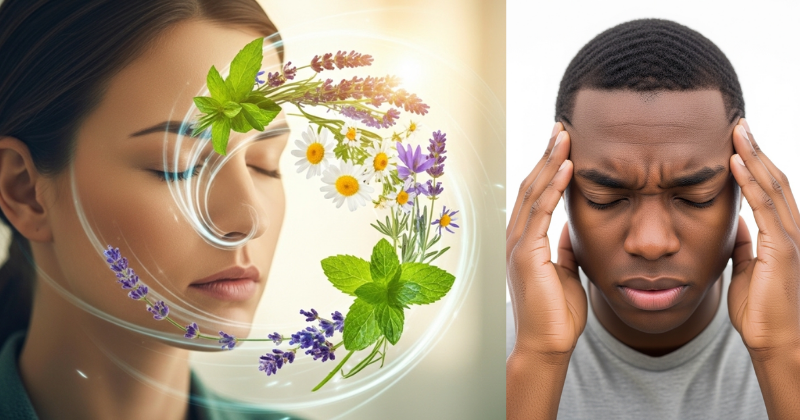
A headache strikes at the worst possible moment — mid-presentation, during a family dinner, or right when you finally sit down to relax. Before you reach for the medicine cabinet, you should know that several evidence-informed natural headache relief methods can reduce pain meaningfully within minutes, working through distinct physiological mechanisms that address the actual biology of headache generation. These aren’t folk remedies passed down without scrutiny — they’re techniques with measurable effects on vascular tone, neurochemical signaling, and musculoskeletal tension, the three primary systems involved in most common headache types. This guide walks you through six of the most scientifically supported natural approaches, explaining exactly how each works in your body and how to apply them correctly for maximum effect.

Understanding Headache Mechanisms: Why Method Selection Matters
Not all headaches share the same origin, and this biological diversity explains why certain natural interventions work better for specific headache types. Selecting the right method requires understanding which physiological system is generating your pain.
The Three Primary Headache Pathophysiology Categories
Tension-type headaches — the most prevalent, affecting approximately 78% of the general population at some point — originate from sustained contraction of pericranial and cervical muscles, generating ischemic pain through reduced local blood flow and accumulation of metabolic waste products including lactic acid and potassium ions. The pain is characteristically bilateral, described as pressing or tightening, and rarely exceeds moderate intensity.
Migraine headaches involve considerably more complex neurological mechanisms. Current evidence supports the cortical spreading depression (CSD) model — a wave of neuronal depolarization followed by suppression propagating across the cortex — combined with trigeminovascular activation. This process sensitizes the trigeminal nerve’s meningeal branches, triggering inflammatory neuropeptide release (particularly calcitonin gene-related peptide, CGRP) that dilates meningeal blood vessels and produces the characteristic throbbing, unilateral pain with accompanying photophobia and nausea.
Cervicogenic headaches originate from the upper cervical spine, transmitted to the head via shared neural pathways between cervical afferents (C1-C3) and the trigeminal nucleus caudalis. Understanding this classification helps you match the right natural remedy to your specific headache type — applying a tension-targeting technique to a migraine, or vice versa, reduces effectiveness substantially.
The 6 Natural Headache Relief Methods: Mechanisms and Application
Method 1: Targeted Hydration
Water is the simplest and most frequently overlooked natural headache remedy — and the science behind its effectiveness is unambiguous. Dehydration headaches arise through a specific mechanism: as intracellular and extracellular fluid volume decreases, brain volume transiently reduces, creating traction on pain-sensitive meningeal attachments. Simultaneously, reduced cerebral blood flow increases vasoconstrictive tone, compounding pain signaling.
A clinical study published in Headache: The Journal of Head and Face Pain demonstrated that drinking 500ml of water produced significant headache relief within 30 minutes in dehydration-associated headaches. The mechanism is straightforward: restoring intravascular volume normalizes cerebral perfusion and reduces meningeal traction. Drink 500ml of water immediately at headache onset, and follow with consistent hydration over the subsequent hour. If your urine has been dark yellow, dehydration is very likely contributing to your symptoms — and rehydration will likely produce the fastest natural relief of any method on this list.
Method 2: Cold and Heat Therapy — Applied Strategically
Temperature therapy works through entirely different mechanisms depending on which modality you choose, making selection critical. Cold application (ice pack, cold compress, or even a bag of frozen vegetables wrapped in a cloth) applied to the forehead or temples causes vasoconstriction of superficial cranial blood vessels. For migraine headaches, where vasodilation of meningeal vessels is a key pain driver, this localized cooling reduces vessel diameter and decreases inflammatory mediator delivery to sensitized trigeminal nerve endings — producing measurable pain reduction within 10-15 minutes.
Heat therapy, conversely, targets tension-type and cervicogenic headaches by increasing blood flow to contracted muscles, reducing their ischemic pain generation, and decreasing the viscosity of muscle fascia for improved tissue extensibility. Apply a warm compress or heating pad to the back of the neck and upper trapezius muscles — the most common sites of tension-generating muscle contraction in cervicogenic and tension headaches. Maintain application for 15-20 minutes. Research comparing cold versus heat therapy for headache consistently demonstrates that migraine patients prefer cold while tension headache sufferers report greater relief from heat — a preference pattern that directly reflects the underlying neurophysiology.
Method 3: Peppermint Oil Topical Application
Peppermint oil’s active compound, menthol, produces natural headache relief through a fascinating neurological mechanism. Menthol is a potent agonist of TRPM8 receptors — transient receptor potential cation channels expressed on sensory neurons that respond to cold temperatures. When menthol activates TRPM8 channels in skin sensory neurons, it generates a cooling sensation that competes with pain signals at the level of the dorsal horn through gate control mechanisms, effectively reducing the intensity of pain signals reaching conscious awareness.
Beyond this sensory gating effect, topical peppermint oil induces localized vasodilation and muscle relaxation in the application area. A randomized controlled trial by Göbel et al. published in Cephalalgia demonstrated that 10% peppermint oil solution applied to the forehead produced analgesic effects comparable to 1,000mg of acetaminophen for tension-type headaches. Dilute 2-3 drops of pure peppermint essential oil in a carrier oil (coconut, almond, or jojoba), then apply with gentle massage to the temples, forehead, and back of the neck. Keep the mixture away from eyes — menthol’s TRPM8 activation near mucous membranes produces intense discomfort. Results typically emerge within 15-30 minutes.
Method 4: Acupressure at Validated Pressure Points
Acupressure applies sustained mechanical pressure to specific anatomical points, modulating pain through well-characterized neurophysiological mechanisms. The most extensively researched point for headache relief is LI4 (Large Intestine 4, or “Hegu”) — located in the webbing between the thumb and index finger. Sustained pressure at this point stimulates A-delta and C nerve fibers that activate descending pain inhibitory pathways originating in the periaqueductal gray matter, releasing endogenous opioids and serotonin that attenuate pain signal transmission.
A meta-analysis of acupressure for headache relief published in PLOS ONE documented statistically significant pain reduction compared to sham acupressure, with effect sizes in the moderate range. To apply LI4 correctly: locate the highest point of the muscle when thumb and index finger are pressed together, then apply firm circular pressure using the opposite thumb for 1-2 minutes. The sensation should be distinctly uncomfortable but not sharp — traditional acupressure practitioners describe the correct sensation as “de qi,” a deep aching or electric feeling indicating proper nerve stimulation. A second validated point is PC6 (located three finger-widths above the wrist crease on the inner forearm), particularly effective when headache accompanies nausea.
Method 5: Controlled Breathing and Vagal Activation
The connection between breathing pattern and headache intensity reflects direct neurophysiological links between respiratory mechanics and autonomic nervous system tone. Many headaches — particularly migraine and stress-triggered tension headaches — occur in states of elevated sympathetic nervous system activation, with associated vasoconstriction, muscle tension, and heightened pain sensitization. Controlled breathing techniques that activate the parasympathetic nervous system through vagal stimulation directly counteract these headache-promoting physiological states.
The most evidence-supported technique is resonance frequency breathing — breathing at approximately 6 cycles per minute (5 seconds inhalation, 5 seconds exhalation), which maximizes heart rate variability and vagal tone. Research from the Cleveland Clinic and multiple European institutions demonstrates that 10-15 minutes of resonance frequency breathing produces measurable reductions in cortisol, muscle tension, and pain sensitivity. For application: find a quiet position, inhale slowly through your nose for a count of 5, exhale completely through your mouth for a count of 5, and repeat for 10-15 minutes. The physiological shift toward parasympathetic dominance typically produces noticeable pain reduction within this window, particularly for stress-associated headache types.
Method 6: Targeted Neck and Suboccipital Muscle Release
For tension-type and cervicogenic headaches — which together represent the majority of headache presentations — addressing the musculoskeletal source directly produces the most mechanistically logical relief. The suboccipital muscles (rectus capitis posterior major and minor, obliquus capitis superior and inferior) located at the base of the skull are a primary tension reservoir that generates referred pain to the forehead and temples via the greater occipital nerve and trigemino-cervical convergence.
Self-release technique: sit comfortably with your spine upright. Interlace your fingers and place them at the base of your skull, allowing your head to gently rest in your hands with the bony ridge of the occiput pressing into your fingers. Apply gentle sustained upward traction for 60-90 seconds — not aggressive movement, but consistent gentle pressure. Then, with fingers remaining in position, slowly and minimally nod your head forward (chin toward chest) 5-10 times to mobilize the upper cervical joints. A randomized controlled trial in the Journal of Headache and Pain documented significant short-term pain reduction following suboccipital inhibition technique, with effects sustained for up to 24 hours post-treatment.
Combining Methods for Enhanced Relief
Individual natural headache remedies work through single mechanisms — but strategically combining two complementary methods simultaneously targets multiple pain pathways and often produces faster, more complete relief than either approach alone.
Evidence-Based Combination Protocols
For migraine headache: combine cold compress application (vascular mechanism) with controlled breathing (autonomic/sensitization mechanism) simultaneously. Lie in a darkened room, apply cold to the forehead and temples, and perform resonance frequency breathing for 15-20 minutes. This addresses both the vascular dilation component and the central sensitization that amplifies migraine pain.
For tension-type headache: combine suboccipital release (musculoskeletal mechanism) with peppermint oil application (sensory gating mechanism). Perform the suboccipital self-release for 2 minutes, then apply diluted peppermint oil to the temples and posterior neck. The muscle release addresses the pain source while menthol provides additional sensory competition that reduces perceived pain intensity.
For dehydration headache: rehydration alone typically suffices, but combining with LI4 acupressure during the 30-minute rehydration window reduces pain while waiting for fluid restoration to take effect — addressing symptoms while the causal treatment proceeds.
Troubleshooting: When Natural Methods Underperform
Natural headache relief methods work reliably for most common tension and mild-moderate migraine presentations, but several factors can reduce their effectiveness. Recognizing these variables helps you adapt your approach rather than abandoning methods prematurely.
Timing matters enormously. Applying natural remedies at headache onset produces substantially better results than waiting until pain is fully established. This reflects the neuroplasticity of pain — once central sensitization develops and pain pathways are fully activated, peripheral interventions produce smaller effects. Train yourself to recognize headache prodrome signs (subtle neck tension, light sensitivity, mood changes that precede full pain) and intervene at those earliest signals.
Medication overuse headache (MOH) — a paradoxical condition where frequent analgesic use generates rebound headaches — may also reduce natural method effectiveness by maintaining a baseline state of central sensitization. If you’re using pain medication more than 10-15 days per month, MOH may be contributing to headache frequency in ways that circumvent natural relief mechanisms.
Long-Term Prevention: Building a Headache-Resistant Lifestyle
The six methods above address acute headache episodes effectively — but the deeper goal is reducing how often headaches occur in the first place. Consistent sleep scheduling (irregular sleep-wake cycles disrupt serotonergic and dopaminergic rhythms that modulate headache threshold), regular aerobic exercise (which raises endogenous pain inhibition capacity and reduces inflammatory markers), and proactive magnesium intake (deficiency of which is documented in 50% of migraine patients, with supplementation trials showing 41% reduction in migraine frequency) represent the three highest-leverage preventive strategies supported by robust clinical evidence.
Keep a headache diary for 4-6 weeks tracking timing, duration, intensity, potential triggers (dietary, sleep, stress, weather), and which natural methods provided relief. This systematic personal data collection reveals individual patterns invisible without documentation — and transforms headache management from reactive guessing into a precision approach tailored specifically to your neurophysiology and lifestyle triggers.
Conclusion
Natural headache relief is not about wishful thinking — it’s about applying the right physiological intervention to the right headache mechanism at the right moment. The six methods presented here work through distinct, documented biological pathways: vascular modulation, sensory gating, musculoskeletal release, autonomic regulation, rehydration, and neurochemical stimulation. Start with the method most mechanistically matched to your headache type, combine strategically when single approaches provide partial relief, and build toward the preventive habits that reduce headache frequency over time. You now have a scientifically grounded toolkit that puts genuine control of your headache management directly in your hands.
Important Disclaimer: This article is for informational purposes only and should not replace professional advice. For health-related topics, consult healthcare providers. Seek immediate medical attention for sudden severe headache, headache with fever and stiff neck, or headache following head injury. Individual results may vary, and personal circumstances should always be considered when implementing any suggestions.