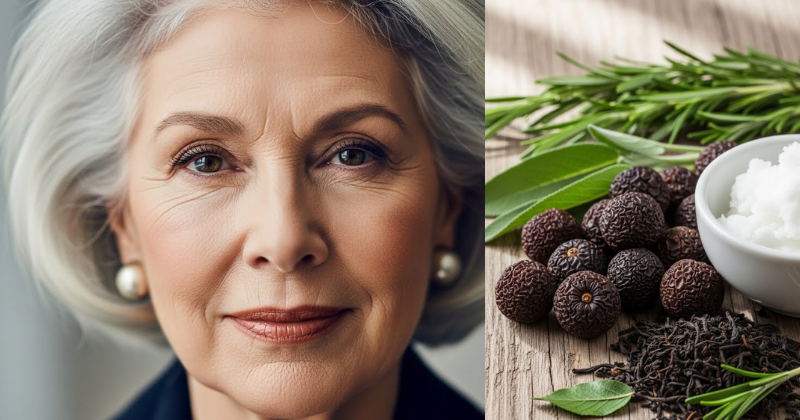
Noticing grey strands earlier than expected? Natural remedies for grey hair can support healthier hair, slow visible greying, and help you feel more confident—without harsh chemicals or quick fixes.
Introduction
Finding your first grey hair can feel surprising, even unsettling. For some people, it appears in their early twenties; for others, much later. While greying is a natural part of aging, many are now exploring natural remedies for grey hair to support scalp health, improve hair vitality, and potentially slow the appearance of new grey strands.
This article is not about miracle cures or overnight transformations. Instead, it focuses on realistic, science-informed, and traditional approaches that support your hair from the inside out. You will learn what actually causes grey hair, which natural remedies may help, and how to build sustainable habits that nourish your hair long term. Most importantly, you will discover options that empower you to care for your hair gently and intentionally.

Understanding Grey Hair: What’s Really Happening
Before exploring natural remedies for grey hair, it helps to understand why hair turns grey in the first place.
The Role of Melanin in Hair Color
Hair color comes from melanin, a pigment produced by melanocyte cells in hair follicles. As you age, these cells gradually produce less melanin, leading to grey or white strands.
Key factors influencing melanin production include:
- Genetics
- Oxidative stress
- Nutrient deficiencies
- Hormonal changes
Can Grey Hair Be Reversed Naturally?
This is one of the most common questions.
Short answer: Naturally reversing grey hair is not guaranteed.
Long answer: Some natural remedies may support melanin activity, reduce oxidative stress, and slow further greying—especially when grey hair is linked to nutritional or lifestyle factors.
Natural Remedies for Grey Hair That Support Hair Health
Natural approaches focus on nourishing the scalp, protecting hair follicles, and supporting pigment-producing cells.
Amla (Indian Gooseberry)
Amla is one of the most popular natural remedies for grey hair in traditional Ayurvedic practices.
Benefits include:
- High vitamin C content
- Antioxidant protection
- Support for melanin production
How to use:
- Amla oil massage 2–3 times per week
- Amla powder mixed into hair masks
- Amla juice (if tolerated and approved by a healthcare provider)
Curry Leaves
Curry leaves are traditionally used to maintain hair color and strength.
They contain:
- Antioxidants
- Amino acids
- Natural pigments
Simple method:
Simmer curry leaves in coconut oil, strain, and massage into the scalp twice weekly.
Black Sesame Seeds
Black sesame seeds are often mentioned in Eastern medicine for hair vitality.
Potential benefits:
- Rich in minerals like copper and iron
- Supports overall hair strength
- May help slow premature greying
Consume in moderation as part of a balanced diet.
Step-by-Step Natural Hair Care Practices
Using natural remedies for grey hair works best when combined with gentle, consistent hair care routines.
Scalp Massage for Circulation
Improved blood flow supports follicle health.
How to do it:
- Use fingertips, not nails
- Massage in circular motions
- Spend 5–10 minutes per session
- Use oils like coconut, castor, or rosemary-infused oil
Herbal Hair Masks
Natural masks nourish hair shafts and scalp.
Popular combinations:
- Amla + yogurt
- Fenugreek + aloe vera
- Henna + coffee (for temporary color enhancement)
Apply once weekly and rinse thoroughly.
Reducing Chemical Exposure
Frequent chemical dyes and harsh shampoos can accelerate dryness and breakage.
Switch to:
- Sulfate-free shampoos
- Natural conditioners
- Occasional plant-based color options if desired
Advanced Natural Strategies and Lifestyle Support
Grey hair is often influenced by internal factors. Addressing them can enhance results.
Nutrition That Supports Hair Pigmentation
Nutrient deficiencies are linked to premature greying.
Focus on foods rich in:
- Vitamin B12
- Iron
- Copper
- Zinc
- Omega-3 fatty acids
Examples include leafy greens, nuts, seeds, legumes, eggs, and fish.
Managing Stress and Oxidative Damage
Chronic stress increases oxidative stress, which damages melanocytes.
Support your system with:
- Adequate sleep
- Mindfulness practices
- Gentle exercise
- Adaptogenic herbs (with professional guidance)
Supporting Gut Health
Emerging research suggests a connection between gut health and nutrient absorption, which impacts hair health.
Simple steps include:
- Eating fiber-rich foods
- Staying hydrated
- Avoiding excessive processed foods
Common Challenges and How to Handle Them
Natural remedies for grey hair require patience. Setbacks are normal.
“I Don’t See Results Quickly”
This is common. Hair grows slowly, and pigment changes take time.
What helps:
- Consistency over weeks or months
- Combining topical and internal support
- Taking progress photos instead of daily checks
“My Grey Hair Is Still Spreading”
Genetics play a major role. Natural remedies support health but cannot override DNA.
Focus on:
- Slowing progression
- Improving hair texture and shine
- Feeling confident with healthy hair at any color
“Some Remedies Irritate My Scalp”
Always patch test first.
If irritation occurs:
- Stop immediately
- Switch to gentler ingredients
- Consult a dermatologist if symptoms persist
Maximizing Results Naturally and Safely
If you want to go further, think long-term and holistic.
Build a Simple Weekly Routine
A balanced approach may include:
- 2 oil massages per week
- 1 herbal mask weekly
- Daily nutrient-dense meals
- Stress management practices
Complementary Topics for Internal Linking
This article pairs well with:
- Natural Oils for Hair Growth
- Best Vitamins for Hair Health
- DIY Herbal Hair Masks
- How Stress Affects Hair
- Sulfate-Free Hair Care Guides
Embracing Hair at Every Stage
Natural remedies for grey hair work best when paired with self-acceptance. Healthy hair matters more than chasing perfection.
Conclusion
Grey hair does not mean unhealthy hair. While no natural remedy can promise full reversal, many natural remedies for grey hair can support stronger strands, healthier scalp conditions, and potentially slow visible greying when used consistently.
By nourishing your body, reducing stress, and choosing gentle hair care practices, you give your hair the best environment to thrive. Progress may be gradual, but every positive habit adds up. You have more control than you think—and healthy, vibrant hair is always achievable at any stage.
Important Disclaimer
This article is for informational purposes only and should not replace professional advice. For health-related topics, consult healthcare providers. Individual results may vary, and personal circumstances should always be considered when implementing any suggestions.