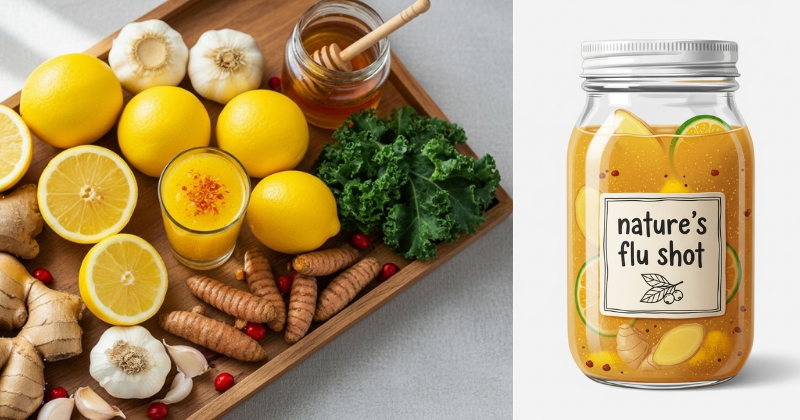
The influenza vaccine reduces flu illness risk by 40-60% when the vaccine strains match circulating viruses — valuable protection, but far from absolute immunity. Nature’s flu shot isn’t a replacement for vaccination but a complementary strategy: a concentrated preparation of botanical compounds with documented immune-modulating, antiviral, and anti-inflammatory properties that support the body’s innate defense systems during viral exposure and infection. This formulation combines elderberry extract (inhibits viral hemagglutinin preventing cell entry), fresh garlic (allicin exhibits broad-spectrum antimicrobial activity), raw honey (hydrogen peroxide generation provides antimicrobial effects), ginger (gingerols reduce inflammatory cytokine storms), lemon juice (vitamin C supports neutrophil and lymphocyte function), and cayenne pepper (capsaicin enhances circulatory distribution of other compounds). The resulting preparation operates through multiple complementary mechanisms that research increasingly validates — not as a pharmaceutical intervention but as nutritional support for the immune competence that determines whether viral exposure progresses to symptomatic illness.
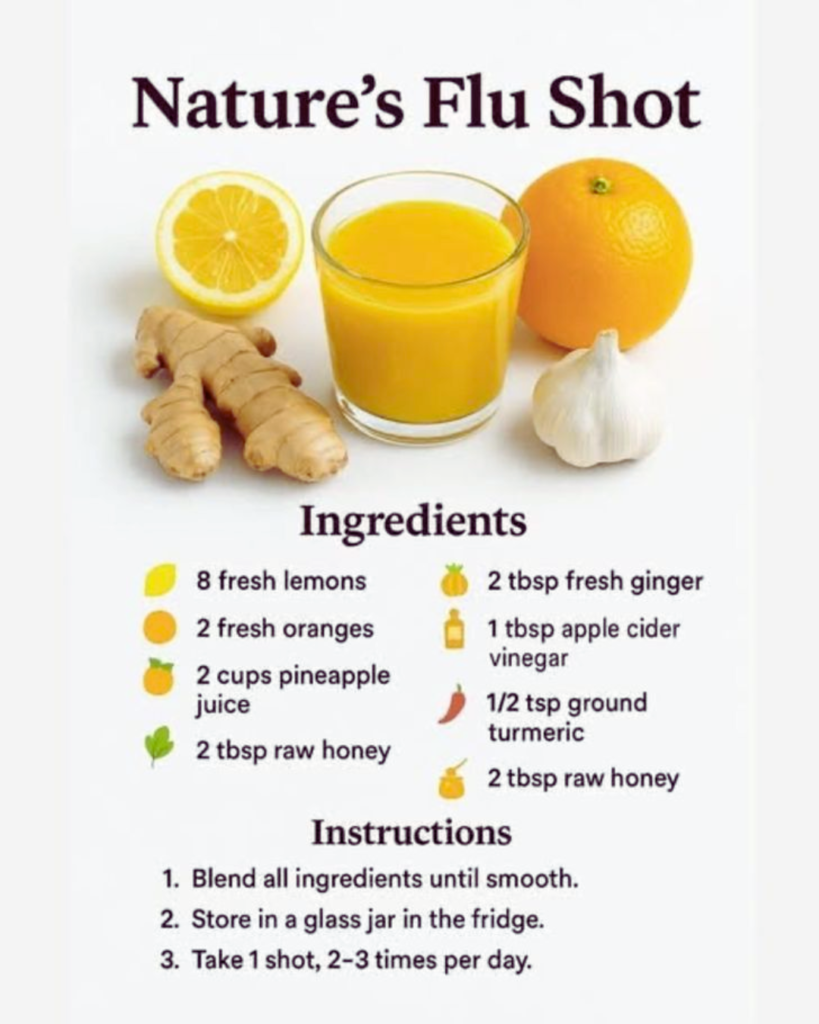
The Immunological Rationale: How Botanical Compounds Support Viral Defense
Understanding the specific mechanisms through which these plant compounds interact with immune function and viral replication helps you appreciate why this formulation represents more than folk remedy.
Elderberry’s Documented Antiviral Mechanisms
Elderberry (Sambucus nigra) has accumulated one of the most substantial evidence bases among botanical immune support compounds. The anthocyanins in elderberry — particularly cyanidin-3-glucoside and cyanidin-3-sambubioside — bind to and inhibit influenza virus hemagglutinin, a surface glycoprotein that viruses use to attach to and penetrate host respiratory epithelial cells. By blocking hemagglutinin function, elderberry prevents viral entry into cells, limiting the initial infection establishment.
Research published in the Journal of International Medical Research documented that elderberry extract reduced flu duration by an average of 4 days compared to placebo in a randomized controlled trial of 60 patients with influenza-like illness. A meta-analysis in Complementary Therapies in Medicine examining four randomized trials concluded that elderberry supplementation substantially reduced upper respiratory symptoms. The mechanism extends beyond hemagglutinin inhibition — elderberry also stimulates cytokine production (particularly IL-6, IL-8, and TNF-α) that activates immune surveillance, though this pro-inflammatory effect requires moderation through anti-inflammatory components to prevent excessive inflammatory responses.
Garlic’s Allicin and Immune Activation
Fresh crushed garlic releases allicin — an organosulfur compound formed when the enzyme alliinase contacts its substrate alliin upon cell damage. Allicin exhibits broad-spectrum antimicrobial activity against bacteria, fungi, and viruses through membrane disruption and oxidative damage to microbial proteins. For influenza specifically, research demonstrates that aged garlic extract enhances natural killer (NK) cell and gamma-delta T cell function — components of innate immunity that provide first-line defense against viral infection before adaptive immunity activates.
A randomized controlled trial published in Clinical Nutrition found that aged garlic extract supplementation reduced cold and flu severity and the number of missed work or school days by 61% compared to placebo over a 90-day winter period. The immune-enhancing effects require consistent consumption rather than acute dosing — garlic compounds modulate immune cell populations over weeks of regular intake.
Vitamin C, Zinc, and Micronutrient Cofactors
Lemon juice provides vitamin C (approximately 30-40mg per lemon) — a cofactor for numerous immune functions including neutrophil chemotaxis, phagocytosis, and lymphocyte proliferation. While vitamin C megadosing doesn’t prevent colds in the general population (as Cochrane reviews document), it does reduce cold duration by approximately 8% in adults and 14% in children, and significantly reduces cold incidence in individuals under heavy physical stress. The honey component contributes trace minerals including zinc — a cofactor for thymulin (a thymic hormone regulating T cell development) and for over 300 enzymes involved in immune signaling.
The mechanistic point is that these micronutrients don’t “boost” immunity in the sense of increasing it beyond normal function, but they prevent the immune insufficiency that occurs when intake falls below the levels required for optimal immune cell function.
Complete Nature’s Flu Shot Recipe and Preparation
This formulation produces approximately 500ml (approximately 2 cups) of concentrated immune support tonic — sufficient for 10-15 doses at 2-3 tablespoons per serving.
Core Ingredients and Their Functions
Base ingredients:
- 1 cup (approximately 150g) fresh or frozen elderberries (if using dried elderberries, use 1/2 cup and rehydrate)
- 4-5 cloves fresh garlic, crushed or minced
- 2-inch piece fresh ginger root, peeled and sliced thin
- 1 medium lemon, juiced (approximately 3 tablespoons juice)
- 1/2 cup raw honey (preferably local, unfiltered)
- 1/4 teaspoon cayenne pepper (or to heat tolerance)
- 2 cups water
Optional enhancement ingredients:
- 1 cinnamon stick (cinnamaldehyde provides additional antimicrobial activity)
- 3-4 whole cloves (eugenol adds antimicrobial and analgesic properties)
- 1 tablespoon fresh thyme leaves (thymol exhibits antiviral activity)
- 1/4 teaspoon black peppercorns (piperine enhances absorption of other compounds)
Step-by-Step Preparation Method
Equipment needed: Medium saucepan, strainer or cheesecloth, glass storage jar or bottle, funnel.
Step 1: Prepare the decoction base. In your saucepan, combine elderberries, sliced ginger, crushed garlic, and water (plus optional cinnamon stick, cloves, thyme, and peppercorns if using). Bring to a boil over medium-high heat, then immediately reduce to a gentle simmer. Simmer uncovered for 30-40 minutes until the liquid has reduced by approximately half (to about 1 cup) and the elderberries have released their deep purple color completely.
The extended simmering extracts water-soluble compounds including anthocyanins, gingerols, and allicin precursors (though some allicin volatilizes with heat — this is why we add additional fresh garlic later). The reduction concentrates these compounds, creating a potent base.
Step 2: Strain and cool. Remove from heat and allow to cool for 10-15 minutes to approximately 40-45°C (warm but not hot to touch). Strain through a fine mesh strainer or several layers of cheesecloth, pressing the solids gently to extract all liquid. Discard the spent plant material.
Step 3: Add heat-sensitive ingredients. Once the strained liquid has cooled to approximately 40°C (comfortably warm — test with a clean finger), add the raw honey and stir until completely dissolved. Add the fresh lemon juice and cayenne pepper, stirring to distribute evenly.
Critical timing note: Honey must be added after significant cooling because temperatures above 40-45°C denature the enzymes (including glucose oxidase that generates antimicrobial hydrogen peroxide) and destroy some of the bioactive compounds that make raw honey valuable. Lemon’s vitamin C also degrades rapidly at high temperatures.
Step 4: Add fresh garlic for maximum allicin. For maximum allicin content, add 1-2 additional cloves of fresh crushed garlic to the cooled, strained mixture. Let this steep for 10-15 minutes, then strain again if desired (removing garlic pieces) or leave the garlic pieces in for continued allicin generation.
Step 5: Bottle and store. Transfer through a funnel into a clean glass jar or bottle. Label with ingredients and preparation date. Store refrigerated — the combination of honey’s antimicrobial properties, lemon’s acidity, and refrigeration provides 3-4 weeks of shelf life. Shake gently before each use to redistribute settled compounds.
Dosing Protocol and Timing for Maximum Benefit
The effectiveness of immune support preparations depends substantially on timing relative to viral exposure and symptom onset — different dosing strategies apply to prevention versus active infection.
Preventive Dosing During High-Exposure Periods
For immune support during flu season or when household members are ill: take 1 tablespoon (15ml) of the nature’s flu shot preparation once or twice daily, preferably with meals to reduce gastric irritation from garlic and cayenne. This preventive dosing provides consistent low-level exposure to immune-modulating compounds that support baseline immune surveillance and readiness.
Continue preventive dosing throughout periods of elevated exposure risk — typically December through March in Northern Hemisphere temperate regions, though local flu activity patterns vary. The immune-modulating effects of compounds like aged garlic extract require weeks of consistent intake to produce measurable changes in immune cell populations, so sporadic use provides minimal benefit.
Acute Treatment Dosing at First Symptoms
At the first sign of illness (sore throat, body aches, fatigue, nasal congestion), increase dosing to 1 tablespoon every 2-3 hours while awake (approximately 6-8 doses daily). This acute intensive dosing maximizes exposure to antiviral and immune-stimulating compounds during the critical first 24-48 hours when viral replication is most active and when immune interventions have maximum impact on illness course.
Research on elderberry specifically documents that treatment initiated within 24 hours of symptom onset produces significantly greater symptom duration reductions than treatment started after 48 hours. Continue intensive dosing for 2-3 days, then reduce to 3-4 times daily until symptoms resolve completely.
Administration Method
Take the preparation straight (swallowing directly) or diluted in warm water or herbal tea. Some users find the concentrated garlic and cayenne flavor challenging — dilution in warm water with additional honey improves palatability without substantially reducing effectiveness. Avoid mixing with very hot liquids (above 60°C) which may denature some bioactive compounds.
Advanced Immune Support Strategies
Combining With Pharmaceutical Interventions
Nature’s flu shot is complementary to, not a replacement for, conventional medical interventions. It can be used alongside:
- Annual influenza vaccination (the botanical compounds support the immune response to the vaccine)
- Antiviral medications like oseltamivir (Tamiflu) if prescribed (no documented interactions)
- Standard symptomatic treatments (acetaminophen, decongestants, cough suppressants)
Always inform healthcare providers about all supplements and botanical preparations you’re using to ensure appropriate monitoring and to identify any potential interactions with prescribed medications.
Building a Comprehensive Immune Support System
Maximum immune resilience emerges from addressing multiple determinants simultaneously: adequate sleep (7-9 hours nightly supports normal immune cell trafficking and cytokine production), stress management (chronic stress elevates cortisol which suppresses multiple immune functions), regular moderate exercise (enhances immune surveillance while excessive training suppresses immunity), adequate nutrition (sufficient protein for antibody and immune cell synthesis, micronutrient adequacy particularly for vitamin D, zinc, selenium, and B vitamins), and strategic botanical support through preparations like nature’s flu shot. No single intervention optimizes immunity — the synergy of multiple supportive practices creates the resilience that determines whether viral exposure becomes symptomatic illness.
Troubleshooting and Safety Considerations
Managing Garlic and Cayenne Sensitivity
The most common obstacle to consistent use of this preparation is gastrointestinal sensitivity to garlic (causing heartburn, nausea, or stomach upset) and cayenne (producing burning sensations or gastric irritation). Solutions include always taking with food (never on an empty stomach), reducing garlic to 2-3 cloves in the initial preparation, omitting the additional fresh garlic in Step 4, and reducing cayenne to 1/8 teaspoon or omitting entirely. While these modifications reduce potency somewhat, a preparation you can tolerate consistently delivers better results than a more potent preparation you discontinue due to side effects.
Medication Interactions and Contraindications
Garlic has antiplatelet effects (inhibits platelet aggregation) that theoretically increase bleeding risk when combined with anticoagulant medications (warfarin, aspirin, clopidogrel) or before surgery. Individuals taking these medications should consult their healthcare provider before using garlic-containing preparations. Cayenne may increase absorption of certain medications through enhanced gastrointestinal permeability — another reason to inform providers of all botanical use.
Honey is contraindicated in infants under 12 months due to botulism spore risk (Clostridium botulinum spores survive in honey and can germinate in infant intestines lacking the protective microbiome of older children and adults). Pregnant women should consult healthcare providers before using concentrated herbal preparations — most ingredients in this formulation are generally recognized as safe in food quantities, but concentrated supplemental doses may pose theoretical risks.
When to Seek Medical Care
Nature’s flu shot supports immune function but doesn’t replace medical evaluation when appropriate. Seek medical care for: high fever above 103°F (39.4°C), difficulty breathing or shortness of breath, chest pain, severe or worsening symptoms after 3-4 days, symptoms improving then suddenly worsening (suggesting secondary bacterial infection), or symptoms in high-risk individuals (those with chronic health conditions, immunocompromised states, pregnancy, or age above 65).
Maximizing Long-Term Immune Resilience
Seasonal Preparation and Batch Production
Preparing nature’s flu shot at the beginning of flu season (late autumn) and storing in the refrigerator provides immediate access when prevention or treatment is needed. Some users prefer making smaller batches (half recipe) every 2-3 weeks to ensure maximum freshness of bioactive compounds. The core elderberry-ginger decoction can be prepared in larger batches, frozen in ice cube trays, and thawed as needed with fresh garlic, lemon, and honey added at time of use — this approach balances preparation convenience with ingredient freshness.
Dietary and Lifestyle Foundations
The most powerful natural flu shot is the immune competence built through consistent health practices: anti-inflammatory dietary patterns (emphasizing colorful vegetables, omega-3 fatty acids from fish, fermented foods supporting gut microbiome diversity), adequate hydration (2-3 liters daily supporting mucous membrane function and toxin clearance), outdoor exposure (providing vitamin D synthesis and fresh air reducing indoor viral concentration), and regular handwashing (reducing viral load exposure). These practices, sustained consistently, provide the foundation upon which acute interventions like nature’s flu shot operate.
Conclusion
Nature’s flu shot combines elderberry, garlic, ginger, honey, lemon, and cayenne into a concentrated preparation delivering documented antiviral, immune-modulating, and anti-inflammatory compounds through multiple complementary mechanisms. Elderberry inhibits viral hemagglutinin, garlic enhances NK cell function, ginger modulates inflammatory responses, and honey provides antimicrobial protection. Prepare the formulation through careful decoction and cool-temperature addition of heat-sensitive components, dose preventively at 1-2 tablespoons daily during high-exposure periods or intensively at the first sign of symptoms, and integrate within a comprehensive immune support approach addressing sleep, stress, nutrition, and hygiene. This preparation won’t replace vaccination or medical treatment when needed, but it provides genuine, evidence-informed support for the immune competence that determines whether you stay well or fall ill during viral exposure.
Important Disclaimer: This article is for informational purposes only and should not replace professional medical advice. Nature’s flu shot is not a replacement for influenza vaccination or medical treatment. Consult healthcare providers before using botanical preparations, particularly if you have medical conditions, take medications, are pregnant, or are treating children. Individual results may vary, and personal circumstances should always be considered.