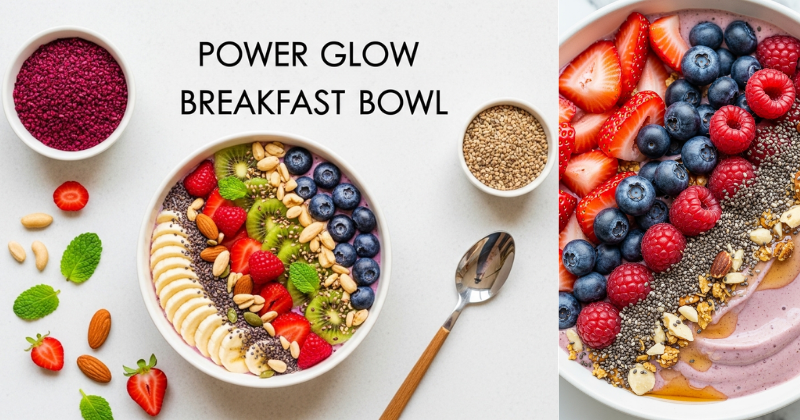
What you eat in the first meal of the day sets the biochemical tone for everything that follows — your insulin sensitivity trajectory, your skin’s collagen synthesis rate, your satiety hormone profile, and your body’s fat oxidation capacity throughout the morning hours. The Power Glow Breakfast Bowl is not an arbitrarily assembled collection of trendy superfoods. It is a deliberately constructed nutritional matrix in which every ingredient serves a specific, evidence-grounded dual purpose: supporting the metabolic conditions that favor fat loss while simultaneously delivering the micronutrients and bioactive compounds that drive skin luminosity and structural integrity from within. This guide breaks down the complete recipe, the biochemical rationale behind each ingredient choice, and the preparation and timing strategies that maximize both fat loss and skin glow outcomes simultaneously — because these two goals, properly understood, share more biological common ground than most people realize.
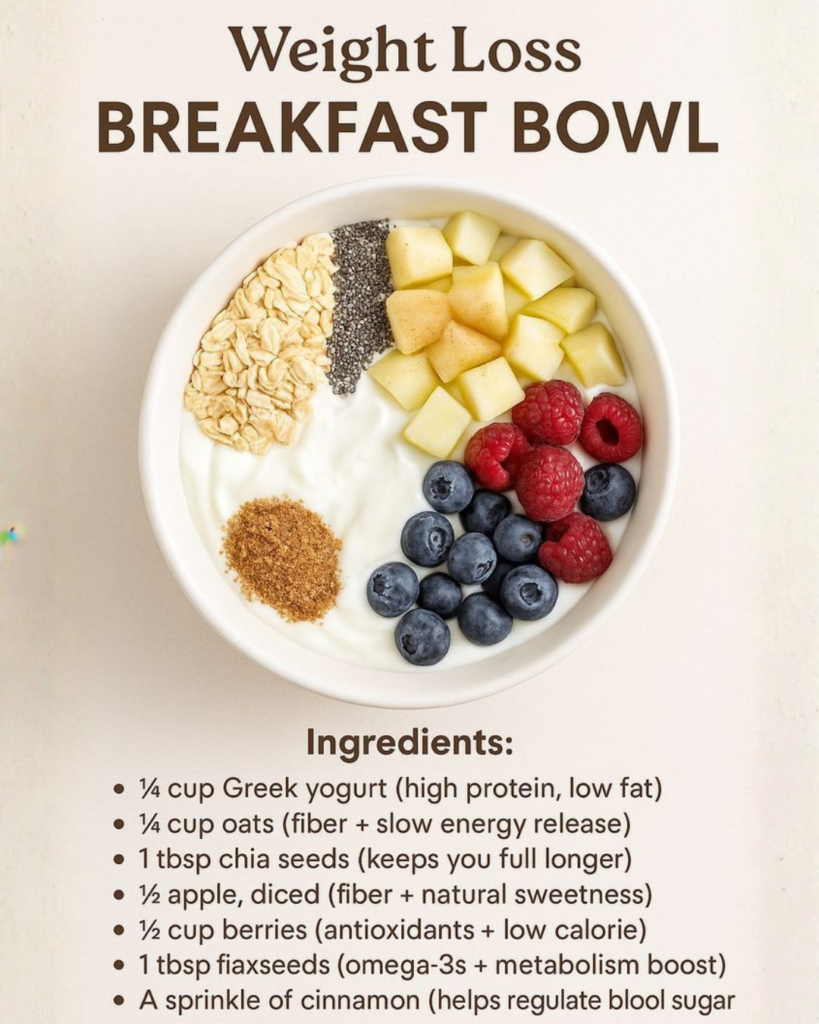
The Nutritional Intersection of Fat Loss and Skin Radiance
The premise of this breakfast bowl rests on a genuinely important observation that nutritional medicine increasingly validates: the biological systems governing fat metabolism and skin health are not parallel independent pathways — they intersect at multiple critical points.
Shared Mechanisms: Where Fat Loss and Skin Glow Converge
Chronic insulin elevation — the metabolic state produced by high-glycemic, low-protein breakfasts — simultaneously inhibits lipolysis (the enzymatic liberation of fatty acids from adipose tissue) and drives cutaneous aging through a process called glycation. Glycation occurs when excess blood glucose covalently bonds to collagen and elastin fibers in the skin dermis, forming advanced glycation end products (AGEs) that cross-link these structural proteins, reducing their flexibility and accelerating the visible signs of aging. A breakfast that stabilizes postprandial glucose — one with adequate protein, fiber, and healthy fat — therefore serves both fat loss (by maintaining the low insulin environment that permits fat oxidation) and skin health (by minimizing the glycation damage that degrades dermal architecture) through the identical mechanism of glycemic control.
Inflammation represents the second convergence point. Systemic low-grade inflammation, driven by dietary patterns high in refined carbohydrates, seed oils, and ultra-processed foods, both impairs adiponectin signaling (reducing fat oxidation capacity) and activates matrix metalloproteinases (MMPs) that degrade dermal collagen and elastin. Anti-inflammatory dietary components — omega-3 fatty acids, polyphenols, carotenoids — simultaneously support the metabolic environment for fat loss and protect the structural proteins responsible for skin firmness and radiance.
The Morning Circadian Metabolic Window
Morning represents a nutritionally privileged window for both fat loss support and skin nutrient delivery. Cortisol peaks in the first hour after waking, mobilizing liver glycogen and free fatty acids — a state that a well-designed high-protein, moderate-fat breakfast extends rather than interrupts. Insulin sensitivity is typically highest in the morning, meaning nutrients consumed at breakfast are partitioned more efficiently toward lean tissue and energy metabolism than the same nutrients consumed in the evening. Additionally, skin cell proliferation and repair processes governed by circadian clock genes (particularly BMAL1 and CLOCK in keratinocytes) are most active during daylight hours — the timing when nutritional substrate delivery most directly supports these processes.
The Power Glow Breakfast Bowl: Complete Recipe and Ingredient Science
This recipe serves one and is designed to deliver approximately 35-40g of protein, 15-20g of healthy fat, 25-30g of complex carbohydrates, and a comprehensive skin-supporting micronutrient profile in a single bowl.
The Base Layer: Greek Yogurt and Oats
Ingredients: ¾ cup (180g) full-fat Greek yogurt, ¼ cup (25g) rolled oats (raw or overnight-soaked).
Greek yogurt provides the protein foundation — 15-18g per serving — in a form with superior branched-chain amino acid (BCAA) content compared to most plant proteins. The leucine content specifically (approximately 1.2g per serving) is particularly significant because leucine is the primary activator of mTORC1-mediated muscle protein synthesis, helping preserve lean mass during a caloric deficit — a critical variable in preventing the metabolic rate decline that accompanies lean mass loss during fat loss phases. The probiotic cultures (Lactobacillus bulgaricus, Streptococcus thermophilus) contribute to gut microbiome diversity, which emerging research links to both metabolic efficiency and reduced systemic inflammation with downstream skin benefits.
Full-fat versus low-fat matters here for a specific reason: the fat-soluble vitamins (A, D, E, K) provided by the accompanying ingredients require dietary fat for intestinal absorption and lymphatic transport. The fat in full-fat Greek yogurt serves as the absorption vehicle for the carotenoids and fat-soluble nutrients in the toppings — removing the fat significantly reduces the bioavailability of skin-supporting compounds throughout the bowl.
Raw or overnight-soaked oats provide beta-glucan soluble fiber — a viscous polysaccharide that slows gastric emptying and flattens the postprandial glucose response through the mechanism of viscosity-mediated amylase inhibition described earlier. Research published in the American Journal of Clinical Nutrition documents that beta-glucan consumption reduces postprandial insulin response by 30-40% compared to equivalent refined carbohydrate — directly supporting the low-insulin fat oxidation environment the bowl is designed to create. Overnight soaking reduces phytic acid content through enzymatic hydrolysis, improving mineral bioavailability from the oats themselves.
The Protein and Healthy Fat Enhancement Layer
Ingredients: 2 tablespoons (20g) hemp seeds, 1 tablespoon (16g) almond butter, 1 tablespoon (10g) ground flaxseed.
Hemp seeds deliver an additional 6g of complete protein alongside a near-ideal omega-6 to omega-3 fatty acid ratio of 3:1 — significantly more balanced than most seeds and nuts. The gamma-linolenic acid (GLA) in hemp seed oil has documented anti-inflammatory activity through inhibition of arachidonic acid metabolism, reducing the inflammatory prostaglandins that impair both fat oxidation signaling and skin barrier function. Hemp seeds also provide gamma-tocopherol (a vitamin E form with superior anti-inflammatory activity compared to the more common alpha-tocopherol) and zinc — a mineral essential for both sebaceous gland regulation and wound healing in the skin.
Almond butter contributes oleic acid (monounsaturated fat that enhances fat oxidation through PPAR-alpha activation), vitamin E (15% DV per tablespoon as alpha-tocopherol), magnesium (20% DV — the same cofactor in ATP synthesis and HPA axis regulation discussed in the magnesium deficiency article), and copper — an essential cofactor for lysyl oxidase, the enzyme that cross-links newly synthesized collagen fibers into structurally stable fibrils.
Ground flaxseed adds 3g of alpha-linolenic acid (ALA) and 2g of soluble fiber, while providing lignans — phytoestrogens with documented antioxidant activity and preliminary evidence for UV-induced skin damage protection through free radical scavenging.
The Skin Radiance Topping Layer
Ingredients: ½ cup mixed berries (blueberries, raspberries, strawberries — fresh or frozen), 1 medium kiwi (sliced), 1 tablespoon pumpkin seeds, optional: ½ teaspoon turmeric powder with a pinch of black pepper.
Mixed berries provide the anthocyanin and ellagic acid polyphenol complement of the bowl. Blueberries’ anthocyanins (predominantly malvidin and delphinidin glucosides) cross the blood-brain barrier and accumulate in skin tissue through systemic circulation, providing both antioxidant protection against UV-induced ROS and vasoactive effects that improve dermal microcirculation — the vascular component of that “rosy glow” that distinguishes healthy from stressed-looking skin. Strawberries provide more vitamin C per weight than oranges (85mg per cup — 94% DV) in a food matrix alongside ellagic acid that inhibits MMP-1 collagenase activity, protecting existing dermal collagen from degradative enzymes.
Kiwi adds an additional 64mg of vitamin C per medium fruit alongside actinidin — a cysteine protease that modestly enhances protein digestion from the protein-rich base layer — and lutein/zeaxanthin carotenoids that accumulate in the macula and skin tissue, providing photoprotective benefits from within.
Pumpkin seeds contribute 150mg magnesium per ounce, 2.2mg zinc, and a significant source of tryptophan — the amino acid precursor to serotonin and melatonin. Adequate tryptophan availability ensures the synthesis of both mood-regulating serotonin (which influences appetite regulation and reduces stress-driven eating) and melatonin (which has demonstrated antioxidant effects in skin tissue, protecting against nocturnal free radical accumulation).
The turmeric-black pepper combination adds curcumin — whose bioavailability is infamously poor (approximately 1-2%) from turmeric alone but increases 2000% in the presence of piperine from black pepper through inhibition of intestinal and hepatic first-pass metabolism. Curcumin’s inhibition of NF-κB inflammatory signaling has been documented to reduce inflammatory cytokine production that drives both adipogenesis-promoting inflammation and the dermal matrix degradation underlying skin aging.
Preparation Protocol: Assembly and Timing for Maximum Effect
The Power Glow Breakfast Bowl requires approximately 5 minutes of active preparation, with most effort invested in the optional overnight preparation that significantly improves both texture and nutritional quality.
Overnight Preparation (Recommended): Combine rolled oats with enough water to cover and refrigerate overnight — 8-12 hours allows phytate reduction through natural endogenous enzyme activity. In the same refrigerating window, allow Greek yogurt to reach approximately 15°C by morning (slightly less cold than refrigerator temperature improves the palatability and reduces the cold shock that can make thick yogurt seem less appetizing).
Morning Assembly (5 minutes): Layer Greek yogurt as the base in a wide, deep bowl. Add soaked oats and stir briefly to combine — the beta-glucan gel from soaked oats integrates into the yogurt, creating a more uniform, satisfying texture than oats added separately. Add almond butter as a central swirl rather than mixing throughout — this keeps the fat concentrated in accessible spoonfuls that ensure each bite contains some dietary fat for fat-soluble vitamin absorption. Scatter hemp seeds and ground flaxseed evenly. Arrange berries, kiwi slices, and pumpkin seeds artistically across the top — the visual arrangement is not merely aesthetic; research on food presentation documents that visually appealing food increases meal satisfaction and reduces the likelihood of seeking additional food later in the morning.
Dust turmeric-pepper over the entire bowl last (after assembly rather than incorporated into the base), as direct contact with Greek yogurt’s lactic acid environment immediately begins curcumin extraction into the fat phase — the dairy fat in Greek yogurt actually provides an additional fat-solubilization mechanism for curcumin absorption.
Optimal Consumption Timing: Consume 60-90 minutes after waking — after the cortisol awakening response has peaked and begun declining, and after consuming 16-20 ounces of water to restore overnight fluid balance. This timing avoids cortisol-insulin overlap that can slightly impair insulin sensitivity in the first 30 minutes post-waking.
Advanced Customizations for Specific Goals
The Accelerated Fat Loss Variation
For individuals specifically prioritizing fat loss over skin optimization during a structured caloric deficit phase, modify the base bowl by replacing the almond butter with 2 tablespoons of additional Greek yogurt (reducing total calories by approximately 90 while adding 5g protein), and adding 1/4 teaspoon of Ceylon cinnamon to the oat-yogurt base. Cinnamaldehyde in cinnamon activates AMPK (AMP-activated protein kinase) — the cellular energy sensor that functions as a master metabolic switch favoring fat oxidation — and has documented effects on insulin sensitivity through GLUT4 transporter upregulation in muscle cells. Research published in Diabetes Care documented meaningful improvements in fasting blood glucose, triglycerides, and LDL cholesterol in type 2 diabetic patients with regular cinnamon consumption.
The Enhanced Collagen Support Variation
For individuals where skin structural support is the primary objective — particularly those in their 40s and beyond where intrinsic collagen synthesis has declined by approximately 1% annually since the late 20s — add one serving (10g) of hydrolyzed marine collagen peptides stirred into the Greek yogurt base. This addition is invisible in the finished bowl and delivers hydroxyproline-proline peptide sequences that have demonstrated in randomized controlled trials to stimulate fibroblast collagen synthesis through cell receptor-mediated signaling. Vitamin C from the berry and kiwi topping is present in the same meal — providing the obligate cofactor for prolyl and lysyl hydroxylase enzymes that hydroxylate proline and lysine residues in newly synthesized collagen chains, enabling their proper triple helix formation.
Seasonal and Regional Adaptations
In regions with limited fresh berry availability, frozen berries are nutritionally equivalent — the freezing process causes only minimal polyphenol degradation (5-10%) while preserving vitamin C content comparably to fresh. In tropical regions, substituting papaya for mixed berries adds papain (a proteolytic enzyme with preliminary evidence for improved protein digestion) and exceptionally high beta-carotene for skin photoprotection. In seasons where kiwi is unavailable, oranges provide equivalent vitamin C with added hesperidin for microvascular support.
Troubleshooting Common Challenges
Not Feeling Satiated After the Bowl
If the Power Glow Breakfast Bowl leaves you hungry within 90 minutes, the most likely cause is insufficient caloric density for your individual energy requirements. Rather than increasing carbohydrate content (which would amplify the glucose-insulin response), increase the fat and protein components: add an extra tablespoon of almond butter, increase Greek yogurt to 1 cup, or add a whole egg (poached or soft-boiled) alongside the bowl. The satiety hormones CCK, GLP-1, and PYY are stimulated primarily by protein and fat — increasing these macronutrients extends the satiety duration without compromising the glycemic stability that supports both fat loss and skin health goals.
Difficulty With the Texture of Raw/Soaked Oats
For individuals who find raw or overnight-soaked oats texturally challenging, briefly microwaving the soaked oats for 60 seconds (with a small amount of additional water) produces a partially cooked texture that most people find more palatable while preserving most of the beta-glucan intact. Fully cooking oats to traditional oatmeal consistency reduces beta-glucan molecular weight somewhat — still functional but slightly less effective at viscosity-mediated glucose response attenuation.
Time Constraints on Busy Mornings
The bowl assembles entirely in 5 minutes with overnight prep, but for mornings where even this is challenging, prepare a “master batch” of the dry components (oats soaked in yogurt, seeds, and almond butter combined) the night before in a sealed jar — a true overnight oats preparation that requires only topping with the fresh fruit in the morning. This removes all active morning preparation except slicing a kiwi and scattering berries.
Maximizing Long-Term Results Through Consistent Practice
The full compound benefit of the Power Glow Breakfast Bowl — measurable improvements in body composition and skin quality — requires a minimum of 8-12 weeks of consistent daily consumption for the mechanisms to manifest visibly. Collagen synthesis requires 8-12 weeks from stimulation to visible structural change at the dermis level. Meaningful fat loss requires a sustained caloric deficit over weeks to months. The microbiome adaptations from consistent prebiotic fiber delivery (beta-glucan, flaxseed lignans) that reduce inflammatory burden occur over 4-6 weeks of consistent feeding.
Track progress through monthly photographs in consistent lighting (for skin quality assessment), weekly morning body weight averages (not daily, which reflects fluid fluctuation rather than fat change), and subjective energy and satiety ratings that provide functional feedback on the bowl’s metabolic performance for your individual physiology. Adjust macronutrient ratios based on these observations over the first 4 weeks until you identify the specific proportions that maximize both energy stability and satiety for your metabolism.
Conclusion
The Power Glow Breakfast Bowl achieves the rare nutritional feat of genuinely serving two ambitious physiological goals through shared mechanisms rather than trade-offs. Glycemic control supports both fat oxidation and collagen protection. Anti-inflammatory polyphenols support both adiponectin signaling and dermal matrix preservation. Protein adequacy supports both lean mass retention during fat loss and the amino acid substrate required for new collagen synthesis. Prepare this bowl consistently, time it appropriately in your morning routine, and give it the 8-12 week commitment that biology requires for visible transformation. The science is sound, the ingredients are accessible, and the results — when approached with understanding rather than merely following instructions — are genuinely achievable.
Important Disclaimer: This article is for informational purposes only and should not replace professional advice. For health-related topics, consult healthcare providers. Individual results may vary, and personal circumstances should always be considered when implementing any suggestions.