Meta Description: Learn to recognize stroke symptoms early with life-saving warning signs, quick action steps, and prevention tips to protect your brain and health.
Introduction
A stroke can happen suddenly, without warning—but your ability to recognize stroke symptoms quickly can make the difference between life and death. Every second counts when the brain is deprived of oxygen, and early action can significantly reduce long-term damage.
Recognizing stroke symptoms is not just for medical professionals—it’s a skill everyone should have. Whether you’re at home, work, or in public, knowing the early warning signs empowers you to act fast and potentially save a life—maybe even your own.
In this guide, you’ll discover the key symptoms of a stroke, what they mean, and exactly what to do if they appear. With the right knowledge, you can transform fear into confidence and take control in critical moments.
Understanding Stroke: What Happens in the Brain?
A stroke occurs when blood flow to part of the brain is interrupted, preventing oxygen and nutrients from reaching brain cells. Within minutes, these cells begin to die.
Types of Stroke
Understanding the types helps you grasp why symptoms vary:
Ischemic Stroke (Most Common)
- Caused by a blood clot blocking a vessel in the brain
- Accounts for about 80–85% of all strokes
Hemorrhagic Stroke
- Occurs when a blood vessel in the brain bursts
- Leads to bleeding and increased pressure in the brain
Transient Ischemic Attack (TIA)
- Often called a “mini-stroke”
- Temporary blockage with stroke-like symptoms that resolve quickly
- A major warning sign of future stroke risk
Why Time Is Critical
Brain cells begin to die within minutes. Rapid treatment can:
- Restore blood flow
- Limit brain damage
- Improve survival and recovery outcomes
Internal linking opportunities: Related topics include Heart Attack Symptoms in Women, Blood Pressure Management, Brain Health Strategies, and Preventing Cardiovascular Disease.
Early Warning Signs of a Stroke
Recognizing stroke symptoms early is essential for immediate action.
The FAST Method (Life-Saving Tool)
The FAST acronym is one of the most effective ways to identify a stroke:
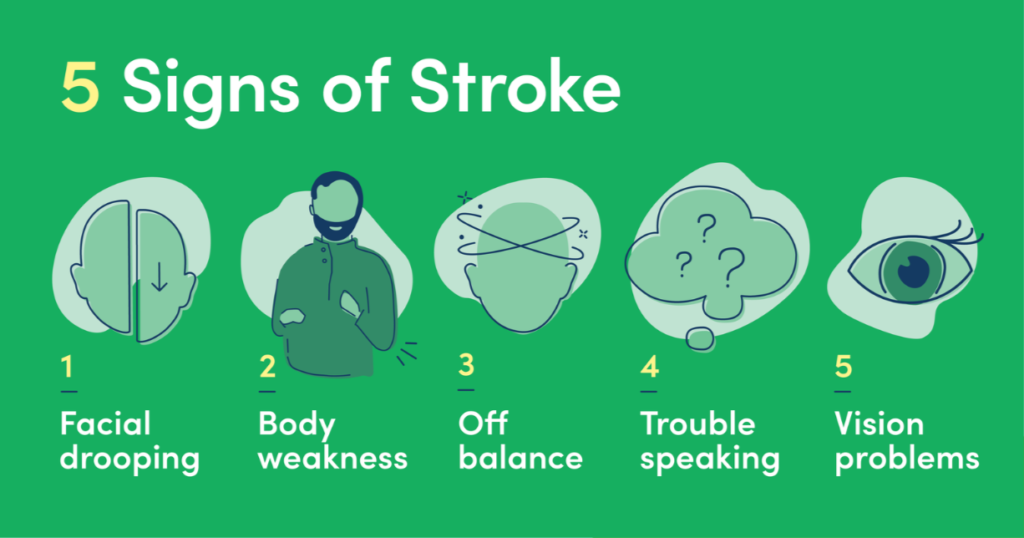
F – Face Drooping
- One side of the face may droop or feel numb
- Ask the person to smile—does it look uneven?
A – Arm Weakness
- One arm may feel weak or numb
- Ask them to raise both arms—does one drift downward?
S – Speech Difficulty
- Speech may be slurred or hard to understand
- The person may struggle to repeat simple sentences
T – Time to Act
- Call emergency services immediately
- Do not wait—every second matters
Additional Warning Signs
Beyond FAST, other symptoms may include:
- Sudden confusion or difficulty understanding
- Vision problems in one or both eyes
- Severe headache with no known cause
- Dizziness, loss of balance, or coordination
Step-by-Step: What to Do During a Stroke
Knowing how to respond quickly can save a life and reduce long-term damage.
Step 1: Call Emergency Services Immediately
- Do not delay or “wait it out”
- Emergency responders can begin treatment on the way
Step 2: Note the Time
- Record when symptoms first appeared
- This helps doctors determine treatment options
Step 3: Keep the Person Safe
- Help them sit or lie down
- Loosen tight clothing
- Do not give food or drink
Step 4: Stay Calm and Reassuring
- Speak clearly and calmly
- Monitor breathing and responsiveness
Advanced Insights: Subtle and Overlooked Symptoms
Not all strokes present dramatically. Some signs are easy to miss.
Silent or Mild Symptoms
- Sudden fatigue or weakness
- Slight numbness in the face or limbs
- Brief confusion or memory lapses
Gender Differences in Symptoms
Women may experience additional symptoms such as:
- Nausea or vomiting
- Shortness of breath
- Sudden hiccups or chest discomfort
Nighttime and Wake-Up Strokes
Some strokes occur during sleep, making early detection more challenging. Waking up with symptoms requires immediate medical attention.
Troubleshooting: Common Challenges in Recognizing Stroke
Even with awareness, certain factors can delay recognition and response.
Mistaking Symptoms for Less Serious Issues
- Dizziness may be confused with dehydration
- Headaches may be mistaken for migraines
Ignoring Temporary Symptoms
- TIAs often resolve quickly, leading people to dismiss them
- However, they are serious warning signs of future stroke
Delayed Response
- Waiting to “see if it gets better” can be dangerous
- Immediate action is always the safest choice
Preventive Measures
- Monitor blood pressure regularly
- Maintain a healthy diet and exercise routine
- Avoid smoking and limit alcohol consumption
Maximizing Prevention and Long-Term Brain Health
Preventing stroke starts with daily habits and awareness.
Lifestyle Strategies
- Eat a balanced diet rich in fruits, vegetables, and whole grains
- Stay physically active
- Manage stress effectively
Medical Prevention
- Control high blood pressure, diabetes, and cholesterol
- Follow prescribed medications
- Attend regular health check-ups
Building Awareness
- Teach family members the FAST method
- Share knowledge within your community
- Stay informed about stroke risk factors
Featured Snippet: What Are the First Signs of a Stroke?
The first signs of a stroke include face drooping, arm weakness, and speech difficulty. Additional symptoms may include confusion, vision problems, severe headache, and loss of balance. Immediate medical attention is critical.
Conclusion
Recognizing stroke symptoms early is one of the most powerful ways to save lives. With simple tools like the FAST method and a clear understanding of warning signs, you can act quickly and confidently in critical situations.
Remember, a stroke doesn’t wait—and neither should you. By staying informed, practicing prevention, and responding immediately, you protect not only your own health but also the lives of those around you.
Empower yourself today. Learn the signs, share the knowledge, and be ready to act when it matters most.
Important Disclaimer: This article is for informational purposes only and should not replace professional advice. For health-related topics, consult healthcare providers. Individual results may vary, and personal circumstances should always be considered when implementing any suggestions.