
Transforming a grease-encrusted oven into a pristine cooking sanctuary requires neither harsh chemicals nor desperate scrubbing, but rather an understanding of the elegant chemistry between two humble kitchen allies. This baking soda and lemon method represents a return to household wisdom that honors both efficacy and environmental consciousness.
Understanding the Alchemy of Natural Degreasing
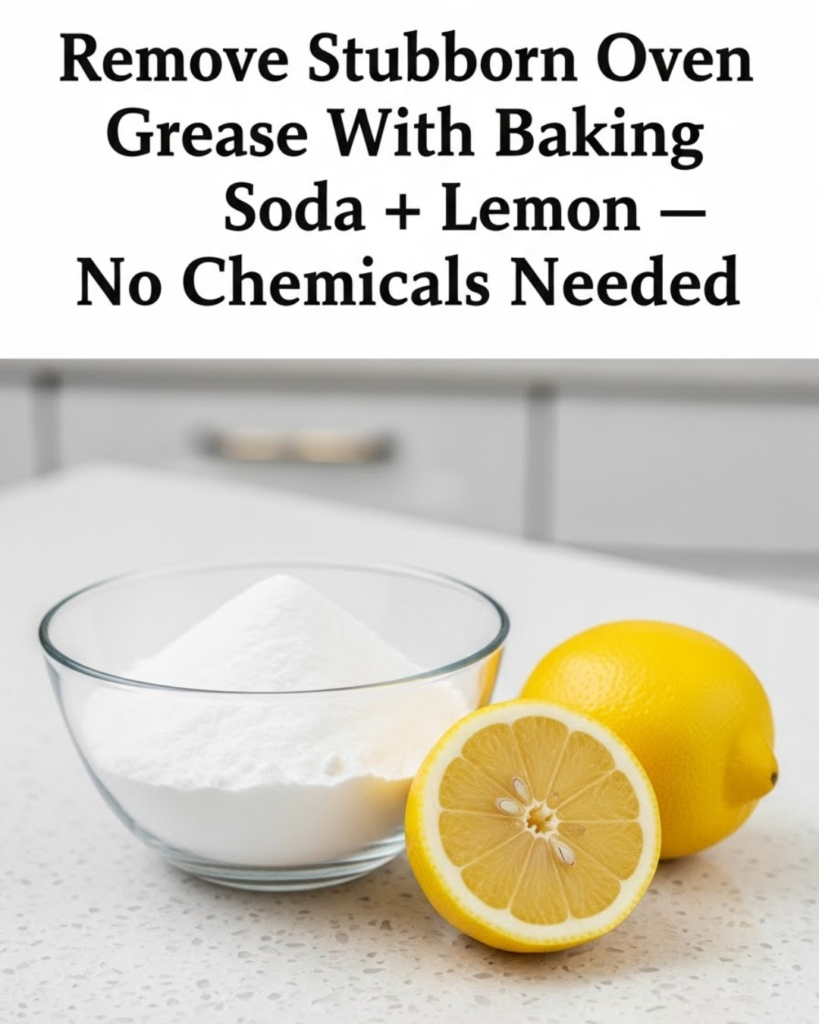
The marriage between baking soda and lemon creates a powerful cleaning symphony through complementary chemical properties that dissolve, lift, and neutralize stubborn oven grease. This partnership demonstrates how simple pantry ingredients can rival commercial cleaners through pure molecular interaction.
Baking soda, chemically known as sodium bicarbonate, functions as a mild alkaline compound with a pH around 9. When applied to acidic grease deposits formed through the thermal decomposition of cooking oils, it initiates saponification—the same process used for millennia in soap-making. This reaction breaks down triglycerides into water-soluble glycerol and fatty acid salts that release their grip on oven surfaces.
Lemon brings citric acid into this cleaning dance, providing acidity that cuts through mineral deposits and enhances grease dissolution. The d-limonene in lemon essential oils, concentrated in the peel, acts as a natural solvent that penetrates carbonized grease layers. Together with ascorbic acid, these compounds create a cleaning solution that not only removes grime but leaves surfaces gleaming and wonderfully aromatic.
The Science Behind Grease Adhesion
Oven grease accumulates through a complex process where cooking oils undergo pyrolysis at high temperatures, creating polymerized carbon chains that bond tenaciously to enamel, glass, and metal surfaces. Traditional water-based cleaning proves ineffective because grease is hydrophobic, repelling aqueous solutions. The alkaline nature of baking soda disrupts these molecular bonds while lemon’s surfactant properties enable water to penetrate and lift away the loosened debris.
Environmental and Health Advantages
Commercial oven cleaners often contain sodium hydroxide (lye), ethylene glycol ethers, and petroleum distillates—compounds that generate toxic fumes and pose respiratory hazards. This natural alternative eliminates exposure to caustic chemicals while performing comparably on most grease deposits, making it particularly valuable for households with children, pets, or individuals with chemical sensitivities.
Step-by-Step Method for Complete Oven Transformation
Approaching oven cleaning as a methodical process rather than an overwhelming chore transforms this necessary task into a satisfying restoration project with visible, immediate results.
Essential Materials:
- 125 grams of baking soda (approximately one-half cup)
- 2-3 fresh lemons
- Spray bottle filled with water
- Soft cleaning cloths or sponges
- Small bowl for mixing
- Optional: coarse salt for extra abrasive action
- Protective gloves (optional but recommended)
Preparation Phase:
Begin by removing oven racks, thermometer probes, and any loose debris. This provides unobstructed access to all surfaces requiring attention. Ensure the oven is completely cool—attempting to clean a warm oven disperses baking soda paste ineffectively and can cause burns.
Creating the Cleaning Paste:
In your mixing bowl, combine baking soda with water gradually, adding approximately 45-60 milliliters (3-4 tablespoons) to achieve a spreadable consistency resembling thick yogurt. The paste should adhere to vertical surfaces without immediately sliding off. Squeeze the juice of one lemon into this mixture, stirring to incorporate the citric acid throughout.
Application Technique:
Using your hands (gloved if preferred) or a soft cloth, spread the baking soda-lemon paste generously across all greasy surfaces, focusing particularly on the oven floor, walls, and door interior. Pay special attention to corners, edges around heating elements, and the seal where the door closes. The paste should form a layer approximately 3-5 millimeters thick for optimal effectiveness.
Avoid applying paste directly to heating elements, as residue can smoke during subsequent use. Instead, clean around these components carefully. For glass doors, apply an extra-thick layer to heavily soiled areas, allowing gravity to work in your favor as the paste slowly penetrates stubborn deposits.
Critical Waiting Period:
Allow the paste to rest undisturbed for a minimum of 12 hours, though overnight application proves ideal. This extended contact time enables the alkaline baking soda to thoroughly penetrate and soften polymerized grease while the lemon acid works to dissolve mineral deposits. During this period, you might notice the paste darkening as it absorbs grease—this visible transformation indicates the cleaning action progressing effectively.
Removal and Final Cleaning:
After the waiting period, use a damp cloth to begin wiping away the dried paste. You’ll discover that grease loosens remarkably easily, lifting away in satisfying sweeps. For stubborn spots that resist initial wiping, spray lightly with water, wait several minutes, then scrub gently with a non-abrasive sponge. The moistened baking soda provides mild abrasive action without scratching surfaces.
Cut a fresh lemon in half and use it as a natural scrubbing tool for final touch-ups, squeezing as you work to release fresh citric acid. This technique proves particularly effective on glass doors, leaving them crystal-clear and streak-free. Complete the process by wiping all surfaces with clean, damp cloths until no baking soda residue remains, then dry thoroughly with a microfiber cloth.
Advanced Techniques for Challenging Situations
Certain oven conditions demand adapted approaches that build upon the basic method while addressing specific challenges common in heavily-used or long-neglected appliances.
Tackling Carbonized Buildups
For black, carbonized deposits that resist standard treatment, create an enhanced paste by adding coarse salt to your baking soda mixture. Salt provides additional mechanical abrasion while its hygroscopic properties draw moisture into hardened grease layers. Apply this fortified paste and extend the waiting period to 24 hours for maximum penetration.
Alternatively, pre-treat extremely stubborn areas by rubbing them directly with lemon halves before applying the baking soda paste. The fresh lemon juice softens carbonization, preparing surfaces for the main cleaning treatment.
Self-Cleaning Oven Considerations
Modern self-cleaning ovens feature special coatings that high-heat cleaning cycles protect, but which harsh abrasives can damage. This natural method respects these surfaces perfectly, as baking soda’s mild abrasiveness and lemon’s gentle acidity won’t compromise enamel coatings. However, always consult your oven’s manual regarding specific cleaning recommendations, as some manufacturers advise against any cleaners on certain surfaces.
Rack Restoration Protocol
Oven racks require special attention due to their wire construction and tendency to accumulate particularly stubborn grease in crevices. Lay racks in your bathtub (protecting the tub surface with old towels), sprinkle liberally with baking soda, then pour boiling water over them. Add lemon juice and allow soaking for several hours. The combination of heat, alkalinity, and acidity dissolves grease remarkably, allowing you to wipe racks clean with minimal scrubbing.
Maintaining Glass Door Clarity
Oven glass often develops cloudy residue from grease vapor that bakes onto the surface repeatedly. Create a dedicated glass-cleaning solution by mixing equal parts baking soda and lemon juice with just enough water to create a thin paste. Apply in circular motions, then buff with newspaper or microfiber cloth for professional-level clarity.
Troubleshooting Common Challenges and Obstacles
Even straightforward cleaning methods occasionally present unexpected difficulties that require problem-solving approaches tailored to specific situations.
Addressing Persistent Residue
If baking soda paste dries into a stubborn film that resists removal, you’ve likely applied it too thickly or allowed excessive drying. Remedy this by misting the residue heavily with water, waiting ten minutes, then wiping with a damp sponge. Multiple passes with fresh water remove all traces without excessive scrubbing.
Managing Overwhelming Grease Accumulation
Ovens neglected for extended periods may require repeated treatments rather than single application. Rather than becoming discouraged, approach this as a phased restoration project. Apply the baking soda-lemon treatment, remove loosened grease, then immediately reapply to remaining deposits. This layered approach progressively removes buildup without demanding marathon cleaning sessions.
Preventing Lemon Peel Debris
When using lemon halves as scrubbing tools, pulp and peel fragments sometimes lodge in crevices. Prevent this by wrapping lemon halves in thin cheesecloth before use, or simply follow lemon scrubbing with thorough water rinsing to flush away any organic debris.
Dealing with Chemical Sensitivity
Some individuals find even natural cleaning ingredients irritating. If you experience skin sensitivity to baking soda or lemon, wear protective gloves throughout the process. For respiratory sensitivity to citrus vapors, ensure adequate ventilation by opening windows or using exhaust fans during application and removal phases.
Maintaining Your Naturally Clean Oven Long-Term
Successful oven maintenance transforms sporadic intensive cleaning into simple, regular upkeep that prevents grease accumulation from ever reaching overwhelming proportions.
Preventive Strategies
Place a large baking sheet or piece of aluminum foil on the rack below dishes prone to bubbling over or splattering. This simple barrier catches drips before they carbonize onto oven floors, dramatically reducing deep-cleaning frequency. Remove and clean these protective layers after each use while grease remains fresh and easily removable.
Wipe spills immediately after the oven cools following each use. Fresh grease dissolves with simple dish soap and water, requiring minimal effort compared to carbonized deposits. This practice, requiring perhaps two minutes weekly, eliminates the need for intensive monthly cleaning sessions.
Monthly Quick-Clean Routine
Maintain your naturally cleaned oven through monthly mini-treatments that prevent buildup accumulation. Lightly spray interior surfaces with a solution of water and lemon juice, sprinkle with a thin layer of baking soda, wait 30 minutes, then wipe clean. This brief maintenance keeps surfaces perpetually fresh without demanding extensive time investment.
Complementary Natural Cleaning Applications
The baking soda and lemon combination proves remarkably versatile throughout your kitchen. Use it for cleaning stovetops, removing soap scum from sinks, polishing stainless steel appliances, and freshening cutting boards. Understanding this method’s chemistry empowers you to address numerous household cleaning challenges with the same safe, effective approach, reducing dependence on specialized commercial products while minimizing environmental impact and household chemical exposure.
Seasonal Deep Cleaning Schedule
Align intensive oven cleaning with seasonal cooking patterns. Perform thorough treatments before holiday cooking seasons when oven use intensifies, and after winter months when comfort food preparation generates maximum grease accumulation. This strategic timing ensures your oven performs optimally during peak-use periods while distributing maintenance efforts logically throughout the year.
Conclusion
The transformation from grease-burdened oven to sparkling cooking appliance through simple baking soda and lemon demonstrates that effective cleaning requires understanding rather than harsh chemicals. This method respects both your health and environmental responsibility while delivering results that rival conventional cleaners through elegant chemistry and patient application.
Success lies not in aggressive scrubbing but in allowing time and natural chemical reactions to perform the work. The satisfaction derived from achieving professional-level cleanliness using ingredients safe enough to eat reinforces the wisdom of returning to traditional cleaning methods our grandmothers understood intuitively. Your kitchen deserves this level of care, and you possess everything necessary to maintain it beautifully—no hazardous chemicals required, only patience, understanding, and these two remarkable pantry staples working in perfect harmony.