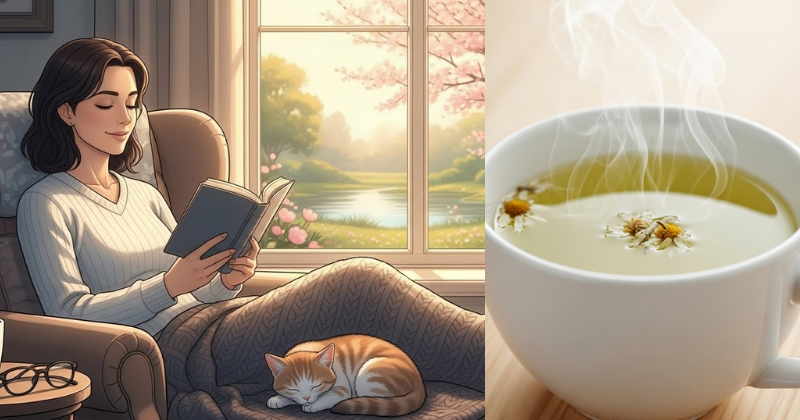
Scientists studied this traditional herbal tea for relaxation to understand its real effects on stress, sleep, and the nervous system—separating proven benefits from popular myths.
For centuries, people across cultures have turned to herbal tea as a gentle way to unwind. From evening rituals passed down through generations to modern wellness trends shared online, relaxing herbal teas have become a symbol of calm in a fast-paced world. But when scientists actually put these traditional remedies under the microscope, what do they really find?
In this article, you’ll discover what research says about one of the most studied traditional relaxation teas, how it interacts with your body, where the evidence is strong, and where it stops short. You’ll also learn how to use herbal tea mindfully—without expecting miracles or dismissing its genuine value.

What Is This Traditional Herbal Tea, and Why Has It Been Used for Relaxation?
Traditional relaxation teas usually refer to infusions made from calming plants such as chamomile, lemon balm, valerian root, or passionflower. Among these, chamomile tea stands out as the most extensively researched and widely consumed.
A Brief History of Herbal Relaxation Teas
Chamomile has been used for over 2,000 years in ancient Egyptian, Greek, and Roman traditions. It was valued not only as a beverage but also as a digestive aid and sleep support. Similar calming uses appear in traditional medicine systems across Europe, the Middle East, and parts of Asia.
Why People Associate Herbal Tea With Calm
The association is both cultural and physiological. Warm liquids encourage relaxation rituals, while certain plant compounds interact with the nervous system. Over time, this combination reinforced the belief that herbal tea promotes relaxation.
How Does This Herbal Tea Interact With the Nervous System?
Scientists studying traditional herbal tea for relaxation focus on how plant compounds affect neurotransmitters and stress pathways.
Key Bioactive Compounds
Chamomile contains flavonoids such as apigenin, which binds to benzodiazepine receptors in the brain. These receptors are involved in regulating anxiety and sleep.
What Happens After You Drink It
Once consumed, these compounds are absorbed through the digestive system and interact mildly with the central nervous system. Unlike pharmaceutical sedatives, the effect is subtle and non-sedating for most people.
Why the Effect Feels Gentle
Herbal teas do not “switch off” the brain. Instead, they support a state of reduced nervous system arousal, which many people experience as calm or ease.
What Did Scientists Actually Find in Controlled Studies?
When scientists studied this traditional herbal tea for relaxation, they relied on randomized controlled trials, observational studies, and laboratory research.
Evidence for Anxiety Reduction
Several clinical trials suggest chamomile extract may reduce symptoms of mild to moderate generalized anxiety over weeks of consistent use. The effect is statistically significant but modest.
Sleep Quality Findings
Research shows mixed results. Some participants report better sleep quality and shorter time to fall asleep, while others show no measurable change. Importantly, chamomile does not act as a strong sleep inducer.
Stress Hormone Insights
Limited studies indicate potential reductions in cortisol levels, but results vary depending on dosage, preparation, and individual differences.
What Scientists Did Not Find or Could Not Confirm
Equally important is understanding where evidence stops.
No Instant Calm Guarantee
Studies do not support the idea that one cup of herbal tea instantly eliminates anxiety or stress. Effects, when present, are gradual and cumulative.
Not a Treatment for Clinical Disorders
Herbal tea is not a replacement for therapy or medication in diagnosed anxiety or sleep disorders. Researchers consistently emphasize its role as supportive, not curative.
Limited Large-Scale Data
Most studies involve small sample sizes. Scientists caution against overgeneralizing results without larger, long-term trials.
Which Factors Influence Whether the Tea Feels Relaxing to You?
Not everyone experiences relaxation in the same way, and science helps explain why.
Individual Sensitivity
Genetics, metabolism, and nervous system sensitivity all affect how you respond to plant compounds.
Preparation and Dosage
A lightly steeped tea contains far fewer active compounds than concentrated extracts used in some studies. Steeping time and plant quality matter.
Psychological Context
Ritual plays a powerful role. Drinking tea in a quiet, intentional setting enhances relaxation through behavioral conditioning, not chemistry alone.
How Can You Use This Herbal Tea Mindfully for Relaxation?
Using herbal tea effectively means aligning expectations with evidence.
Best Time to Drink It
Evening or pre-bedtime use supports relaxation routines. Scientists emphasize consistency over timing perfection.
Simple Preparation Tips
- Use fresh or properly stored dried herbs
- Steep for 5–10 minutes to extract beneficial compounds
- Avoid excessive sweeteners that may counter relaxation
Pairing With Other Calming Habits
Herbal tea works best alongside:
- Reduced screen exposure
- Slow breathing exercises
- Consistent sleep schedules
These combinations amplify perceived benefits without overstating the tea’s role.
How Does This Research Change the Way We View Herbal Relaxation Teas?
When scientists studied this traditional herbal tea for relaxation, they reframed it as neither placebo nor miracle cure.
A Tool, Not a Cure
Research supports herbal tea as a low-risk, supportive practice. It gently nudges the nervous system rather than forcing change.
Why the Tradition Endured
The endurance of herbal tea traditions likely reflects cumulative small benefits combined with ritual, warmth, and cultural meaning.
What Science Adds to Tradition
Science doesn’t erase tradition—it clarifies it. By understanding limits and mechanisms, you can use herbal tea with confidence instead of blind belief.
Conclusion: What You Can Realistically Expect From Traditional Herbal Tea
Scientists studied this traditional herbal tea for relaxation and found something refreshingly honest. It won’t erase stress overnight or replace professional care. But it can support relaxation gently, safely, and meaningfully when used consistently and mindfully.
If you approach herbal tea as part of a broader self-care routine—not a standalone solution—you unlock its real value. The calm it offers is subtle, earned over time, and deeply human. Sometimes, that’s exactly what makes it worth brewing.
Important Disclaimer
This article is for informational purposes only and should not replace professional advice. For health-related topics, consult healthcare providers. Individual results may vary, and personal circumstances should always be considered when implementing any suggestions.